

EN
✨ Hi, ask me a question!
Assistant
EN
Assistant
March 17, 2026 • 8 min read
In Gaziantep, the art of mother-of-pearl craftsmanship shines as a heritage that has continued for centuries. In the narrow streets of the city, the brilliance of mother-of-pearl products shaped by the skilled hands of artisans dazzles the eye. The craftsmen who practice this art create unique works by gently cutting and processing mother-of-pearl and combining it with wood.
Every material used in mother-of-pearl craftsmanship is considered a gift from nature. The masters meticulously sort the mother-of-pearl extracted from the sea and then gently work it onto wooden surfaces. This process requires patience and care; because each piece comes to life with the elegance of craftsmanship.
While walking through the streets of Gaziantep, you can stop by a workshop to observe the intricacies of this fascinating art. As you wander among handmade mother-of-pearl boxes, jewelry boxes, and many other products, you will feel the effort and love hidden behind each one.
The efforts made to preserve this valuable art and pass it on to future generations continue to contribute to Gaziantep's cultural heritage. Artisans keep this light alive by passing their mastery on to younger generations.
Anadolu Han is an Ottoman inn believed to have been built in the early 19th century, featuring two courtyards and two stories. The ground floor of the structure, built as a 'traveler's inn', was arranged for storage and stables, while the upper floors were designated for accommodation rooms. The building, which has a different plan type from other inns and extends in an east-west direction, was restored in 1985.
The dance of copper with fire is another tradition that reflects the artisan spirit of Gaziantep. The art of copper processing takes shape in the skillful hands of masters, while the rhythmic sound of hammer strikes echoes off the walls of the workshops. With each strike, the hardness of copper softens, transforming into art through meticulous processing.
The roots of this art run deep; because Gaziantep has been a city famous for copper craftsmanship throughout its history. This tradition continues to be preserved today. As you wander through the Copper Bazaar, the elegant copper plates, jugs, and trays produced by the masters will captivate you with their dazzling details.
Copper craftsmanship is not only an aesthetic craft; it is also one of the indispensable parts of our homes due to its durability and ease of use. Artisans create timeless works by combining the wisdom of the past with the needs of the present.
For those who want to learn more about this art, workshop tours are organized. Visitors not only get to see the stages of the creation of the works; they also have the chance to become a part of this rich culture.
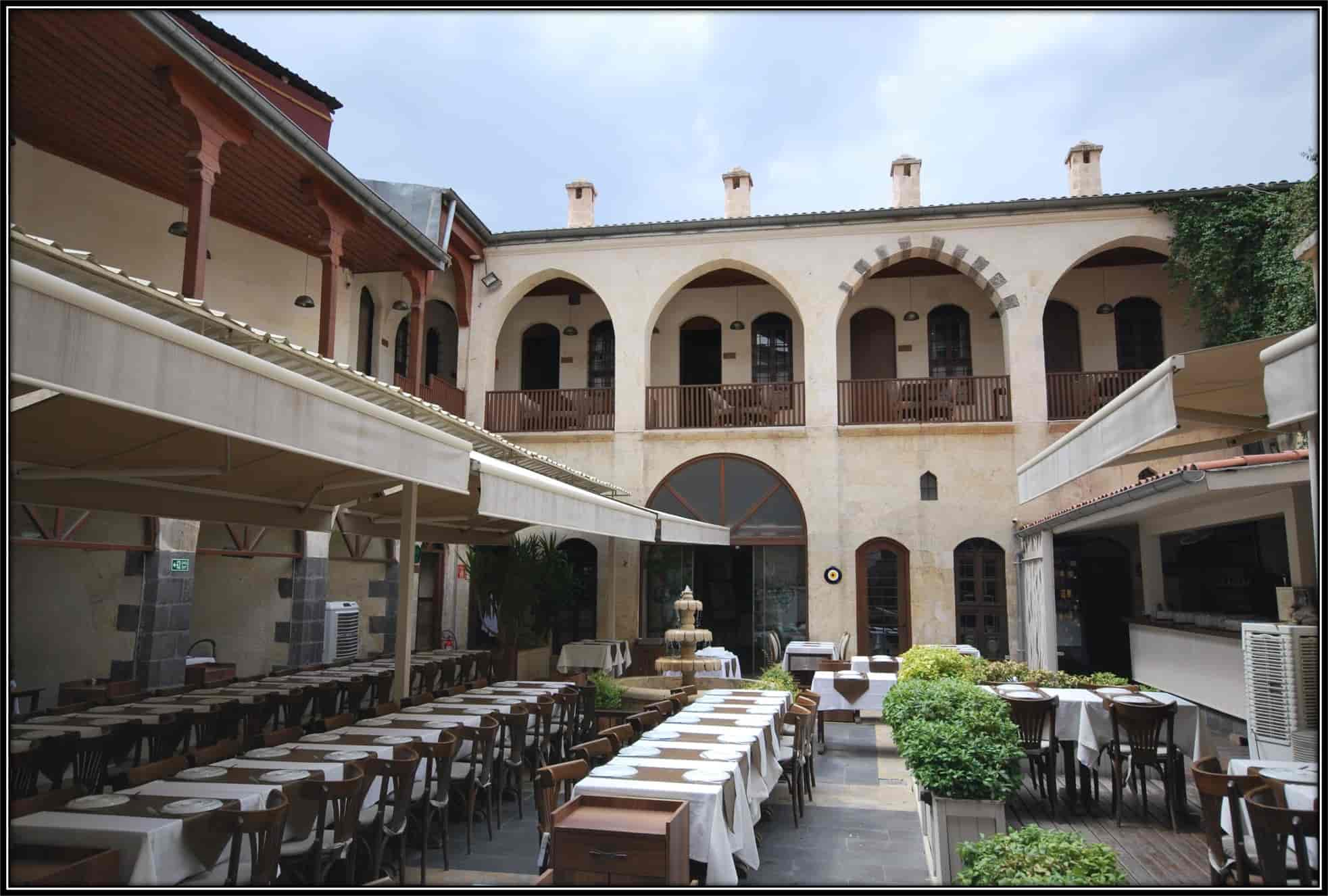
Anadolu Han is an Ottoman inn believed to have been built in the early 19th century, featuring two courtyards and two stories. The ground floor of the structure, built as a 'traveler's inn', was arranged for storage and stables, while the upper floors were designated for accommodation rooms. The building, which has a different plan type from other inns and extends in an east-west direction, was restored in 1985.
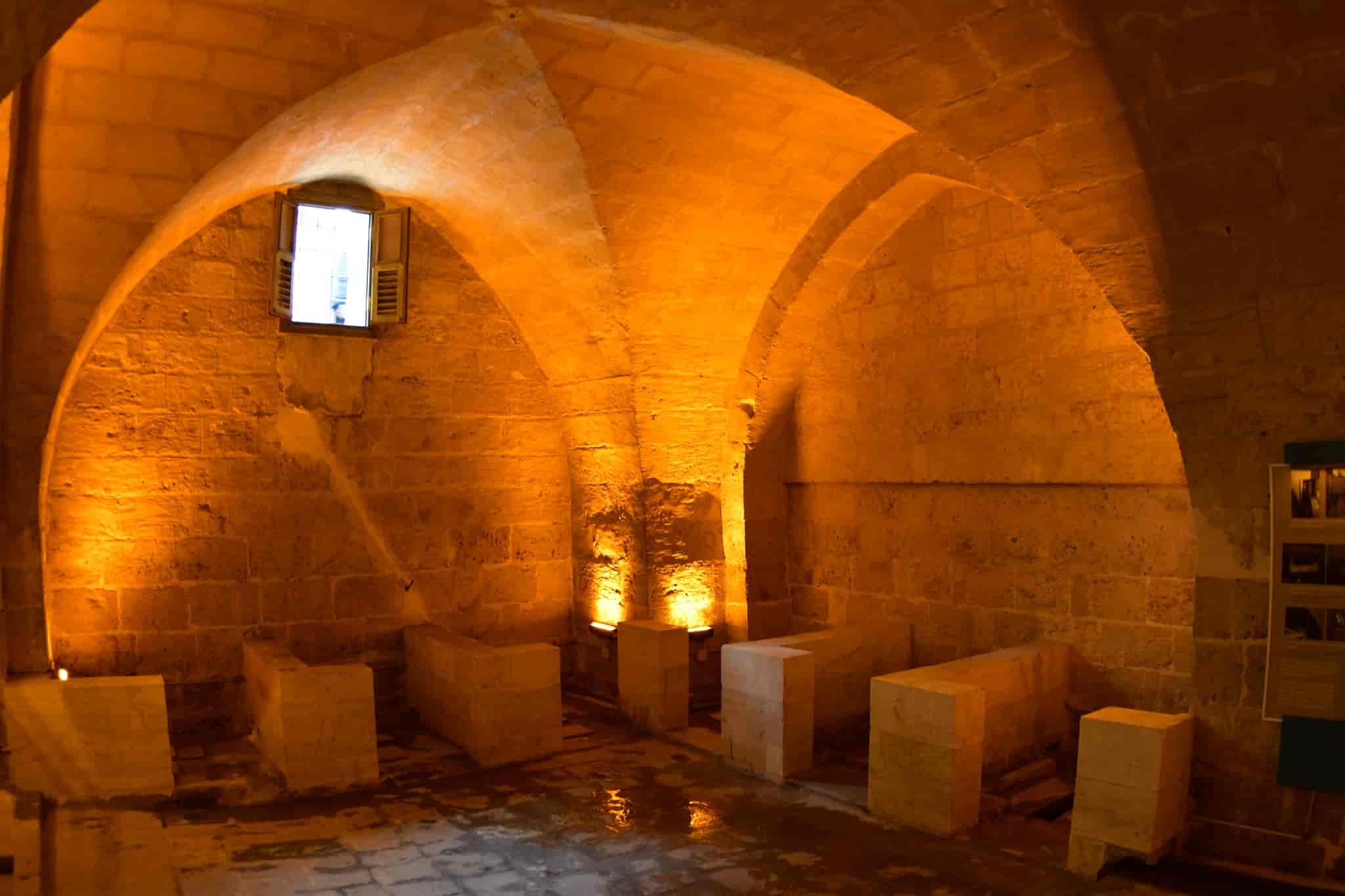
Dating to the 16th century, the kastel was built next to the mosque and it is thought that it was built to meet the water needs of the masjid. During the excavations, water pipes made of terracotta (kunks) and livas, which were used for draining swamps, discharging the water accumulated in a spot, and collecting the underground water, were found.
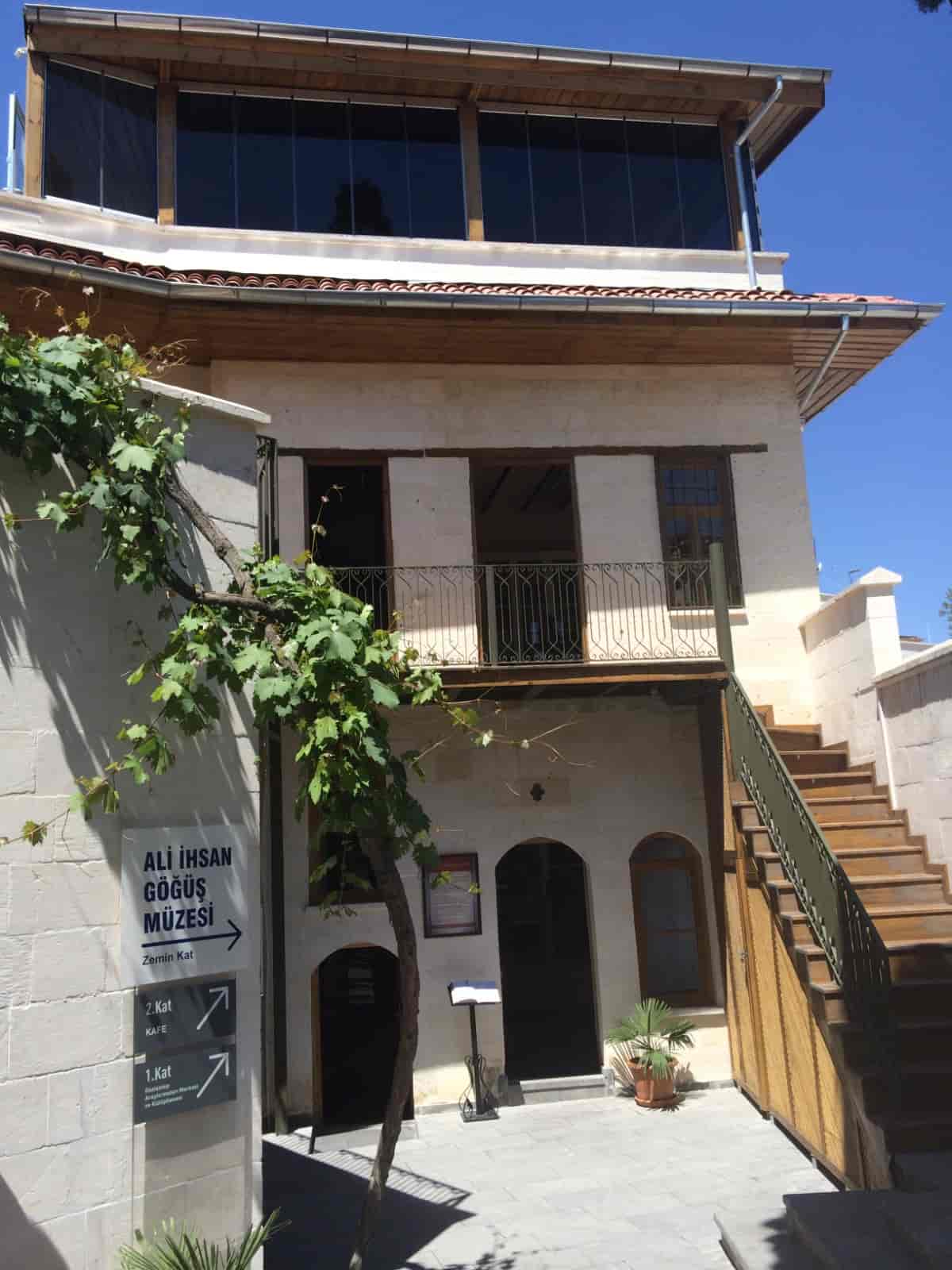
This museum showcases the library and personal belongings donated to the city of Gaziantep by Ali İhsan Göğüş, Turkey's first Minister of Tourism, who is from Gaziantep. The second floor serves as the Gaziantep Research Center. On the third floor of the museum, visitors can enjoy coffee with a view of Antep Houses.
The kutnu fabric you will encounter while wandering the history-laden streets of Gaziantep is one of the region's most unique textile products. With its colorful stripes and silky texture, this fabric has held an important place in the city's economy and culture for centuries.
The production process of kutnu fabric is quite labor-intensive. Woven with one hundred percent silk threads, these fabrics require craftsmanship that demands patience and skill. The meticulously prepared designs behind each color and pattern transform into an aesthetic feast adorned with traditional motifs.
Today, kutnu fabric can be found not only in traditional clothing but also in modern textile products. Fashion designers are using this special fabric in their designs, bringing together the past and the future. Various accessories made from kutnu fabric are favorites for those who want to add elegance to their style.
To see this rare weaving art, local workshops and stores can be visited. During visits, it is possible to watch how this fabric is woven and even purchase small pieces.
Every artisan has a story to tell; Gaziantep masters carry these stories into the future by keeping traditional handicrafts alive. As a city that has hosted many civilizations throughout history, Gaziantep is a treasure trove in the field of craftsmanship. In the works of the masters, traces of the past and creatively blended touches of skill can be seen. Each piece carries a melody from the history-laden streets of the city.
Gaziantep artisans often start their professions at a young age and have grown up alongside their masters. Some have grown up among the carpets woven by their mothers, while others have shaped their professions in workshops where their fathers kept rhythm with a hammer. Each takes pride in producing quality and unique works using traditional methods. For example, masters of copper craftsmanship bring each piece to life by feeling the texture of hot metal at their fingertips.
Among the unique handicrafts of Gaziantep are copper craftsmanship, mother-of-pearl craftsmanship, and kutnu fabric weaving.
Copper Craftsmanship: The copper trays, cezves, and various kitchen items shaped by the hands of masters in the Copper Bazaar carry both aesthetic and cultural value. Each product comes to life with the experience and patience of the master.
Mother-of-Pearl Craftsmanship: Mother-of-pearl artisans carefully work wooden surfaces to create elegant patterns. Each piece is both a visual feast and a reflection of Gaziantep's cultural heritage.
Kutnu Fabric: The traditional weaving craft of Gaziantep, kutnu, emerges from the masterful combination of silk and cotton threads. Notable for its dark green, deep blue, warm orange, and red tones, kutnu is used in both clothing and decorative products.
By visiting the small workshops in Gaziantep, it is possible to listen to the stories of these masters. Chatting with a copper or mother-of-pearl artisan and seeing how they have transformed years of labor into art offers visitors an unforgettable experience. The materials used in the workshops, threads, wood, and copper pieces are tangible indicators of the city's cultural richness.
Every handmade product is seen not only as an aesthetic object but also as a value that carries the traces of the past and is passed down as a legacy to the future. The fine craftsmanship on a copper tray in Gaziantep reflects the knowledge and skills passed down from generation to generation by the masters. In kutnu fabric, each color and motif reveals the historical and cultural texture of the city.
The culture of handicrafts in Gaziantep is rewritten every day as a living history. Every corner of the city's narrow streets opens up to an artisan's workshop. This process preserves the past while creating a cultural heritage that is passed on to future generations.
Visitors to Gaziantep can explore the handicraft workshops, listen to the stories of the masters, and become a part of this unique culture. From the copper works in the Copper Bazaar to the elegant details of mother-of-pearl craftsmanship, and the colors and textures of kutnu fabric, everything is a small work of art reflecting the city's history and cultural depth.