
Gaziantep - UNESCO City of Gastronomy
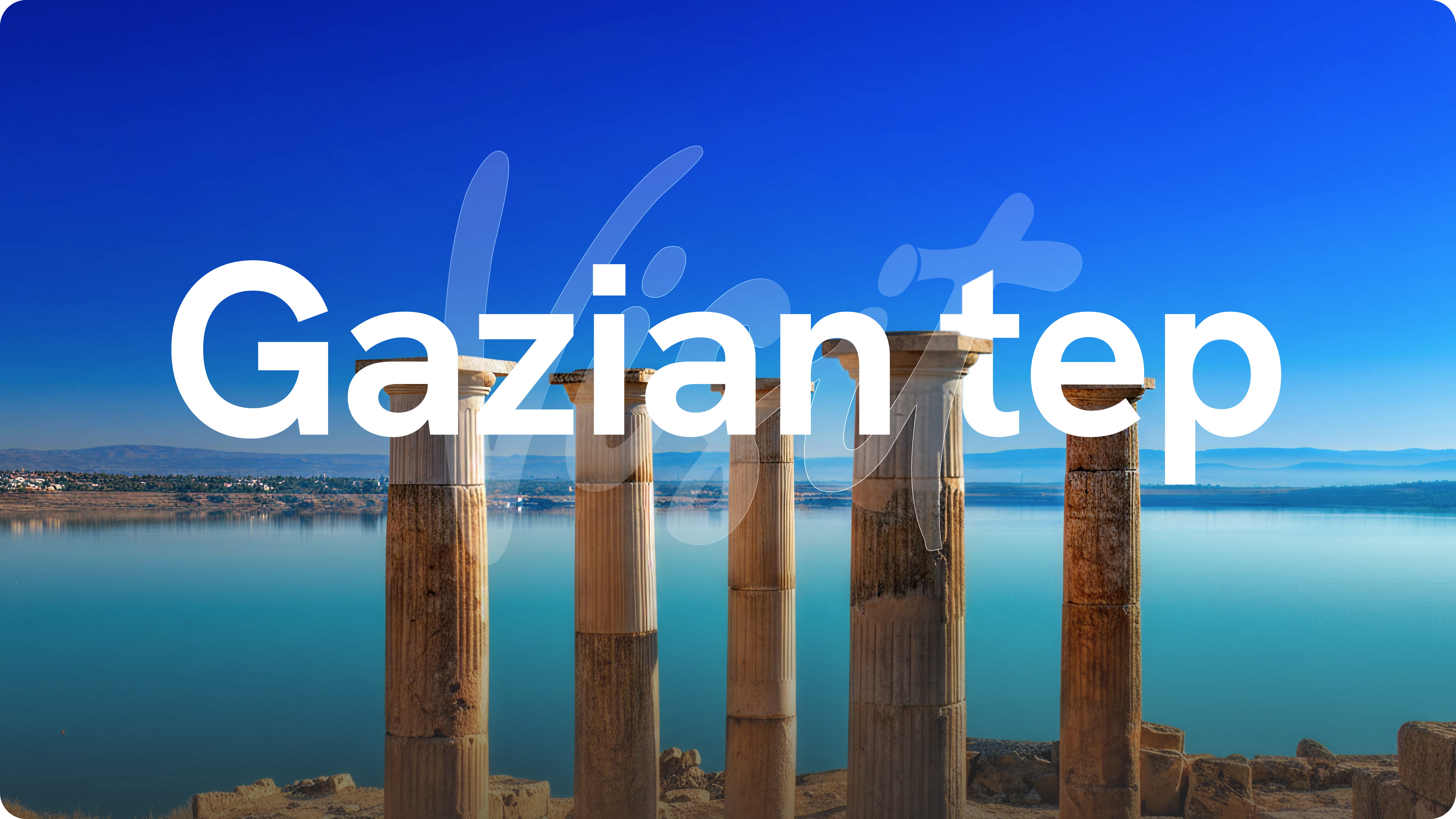


Discover Gaziantep, the Capital of Legends and Flavor!
Must See



UNESCO City of Gastronomy
Gaziantep Flavors
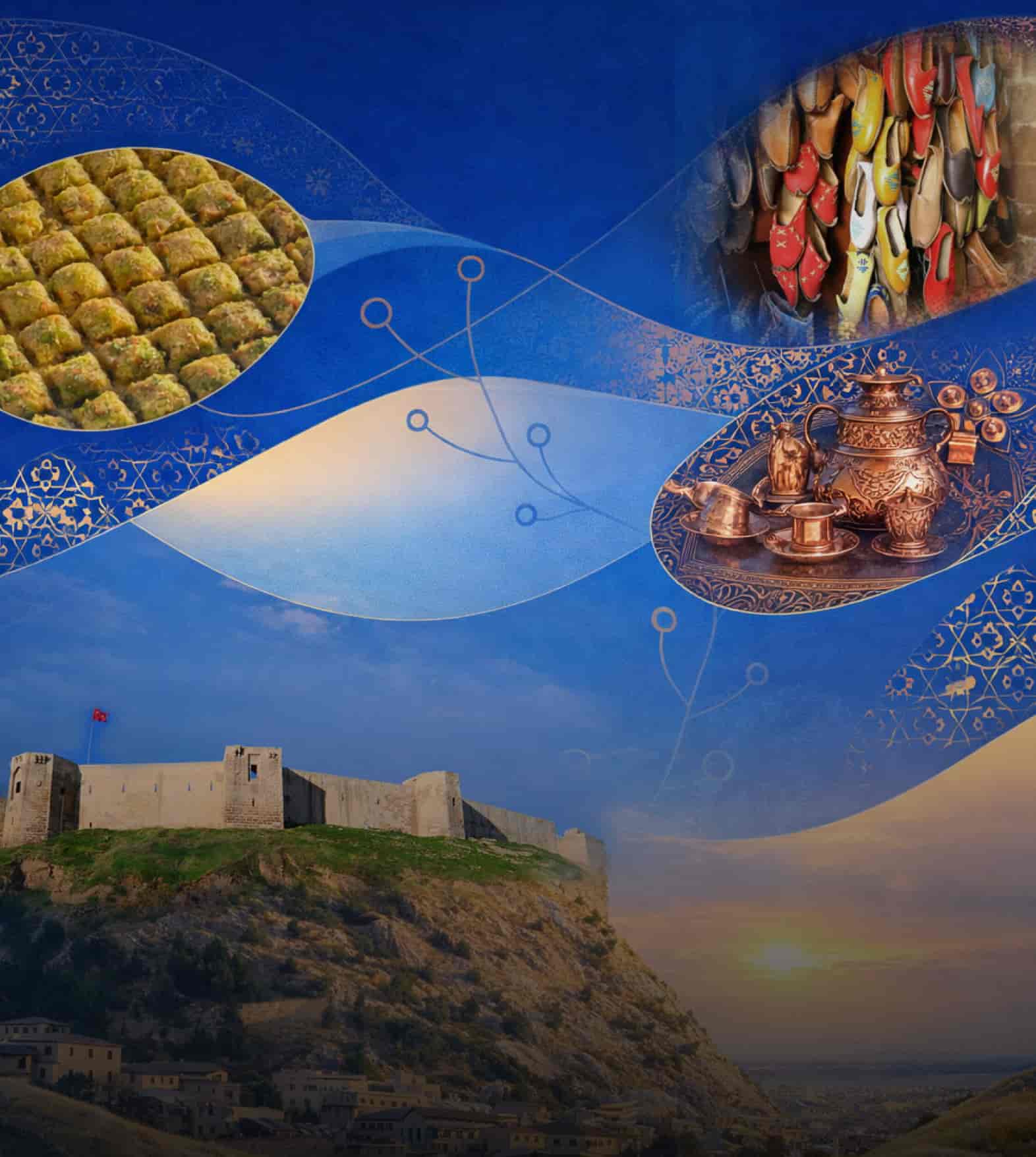
UNESCO City of Gastronomy
Gaziantep Flavors
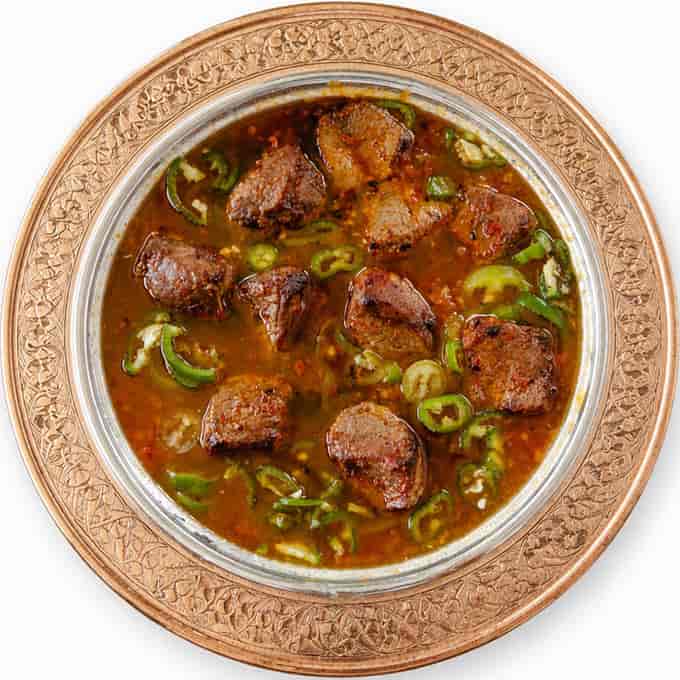
Altı Ezmeli Kebap
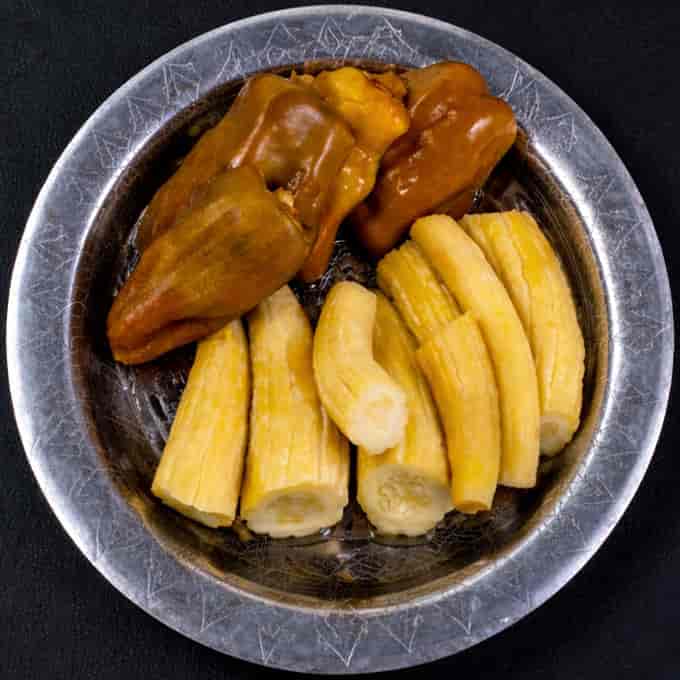
Gaziantep Cucumber-Pepper Pickle
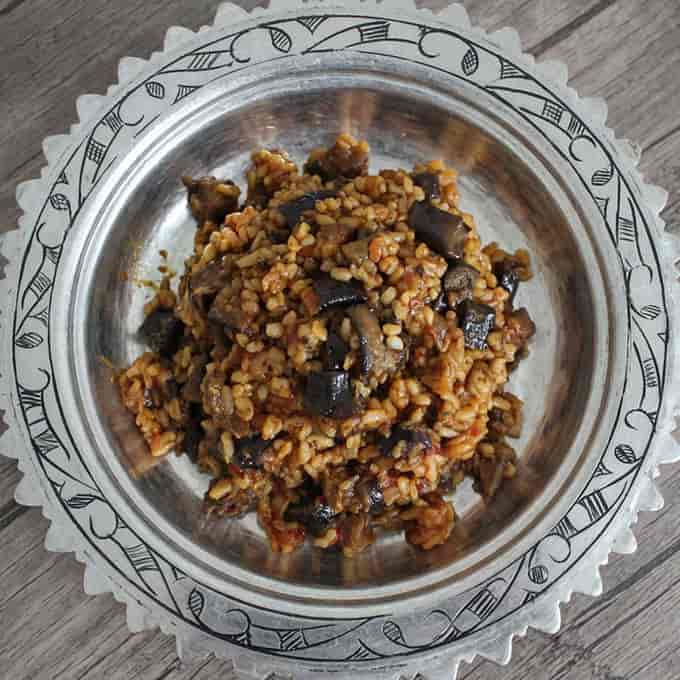
Gaziantep Börk Aşı
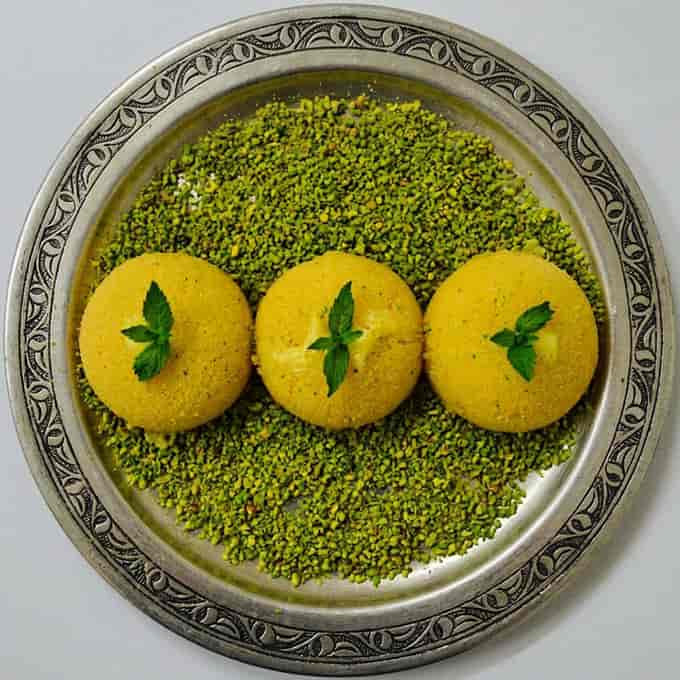
Gaziantep Cheese Semolina Halva
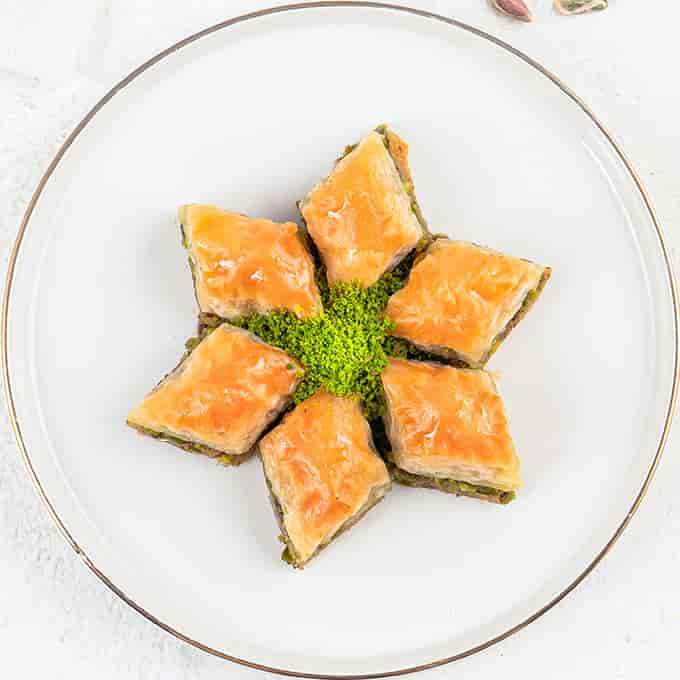
Antep Baklava
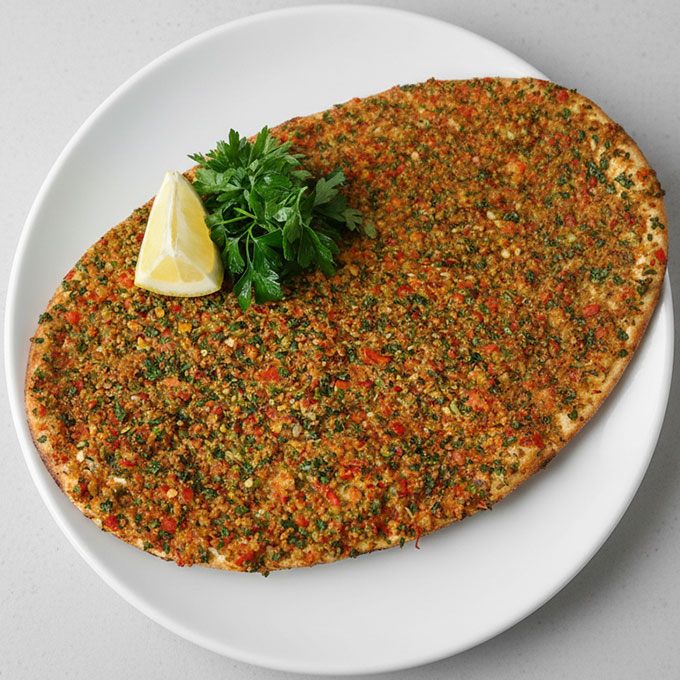
Antep Lahmacunu / Gaziantep Lahmacunu
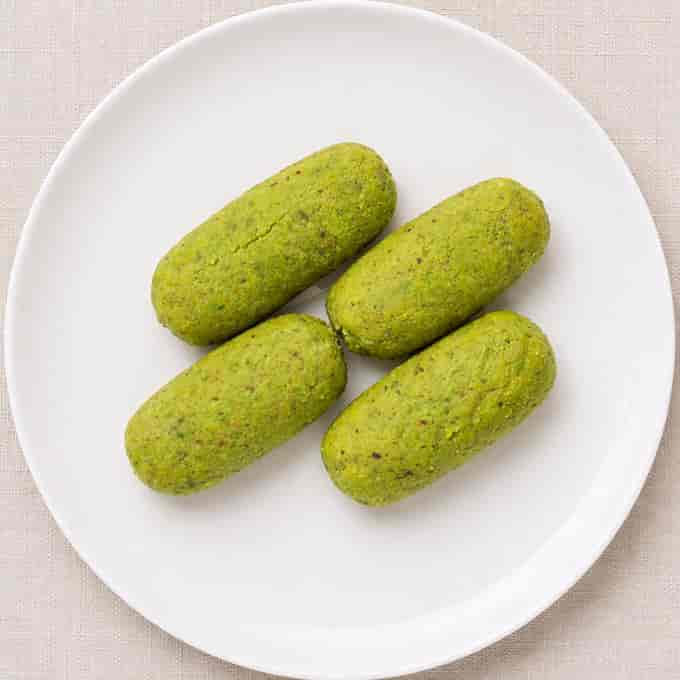
Antep Cookie
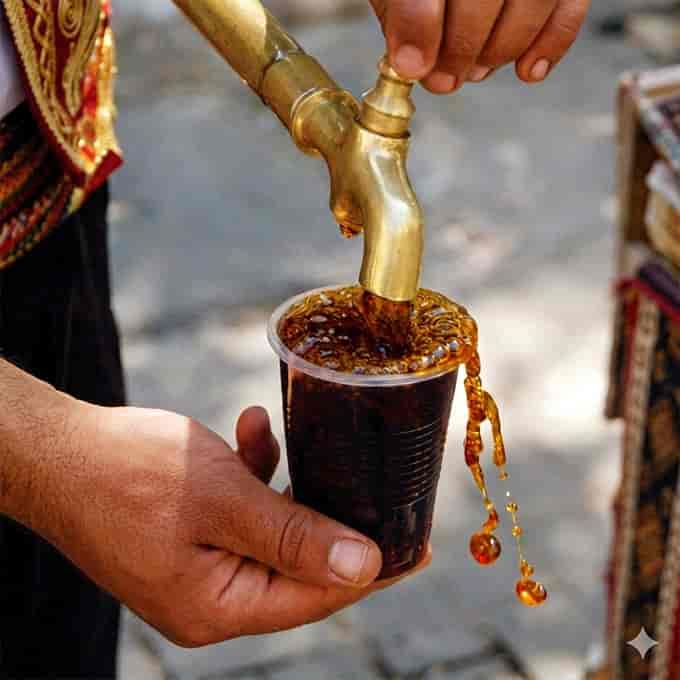
Gaziantep Licorice Sherbet
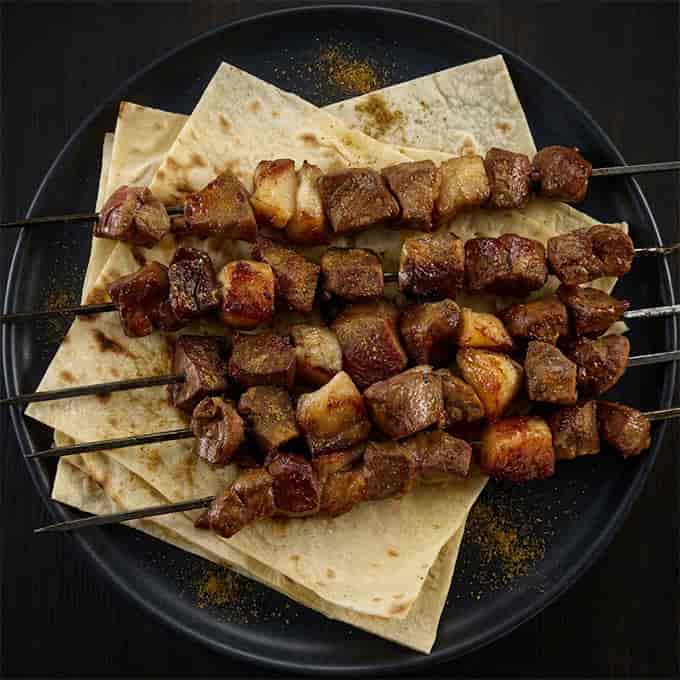
Gaziantep Cağırtlak Kebab
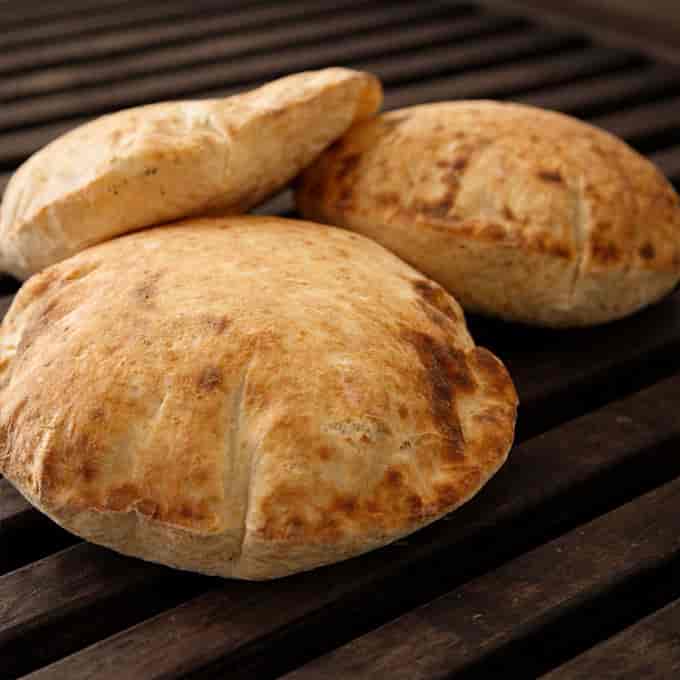
Antep Kübban Ekmeği

Gaziantep Urmu Mulberry Syrup
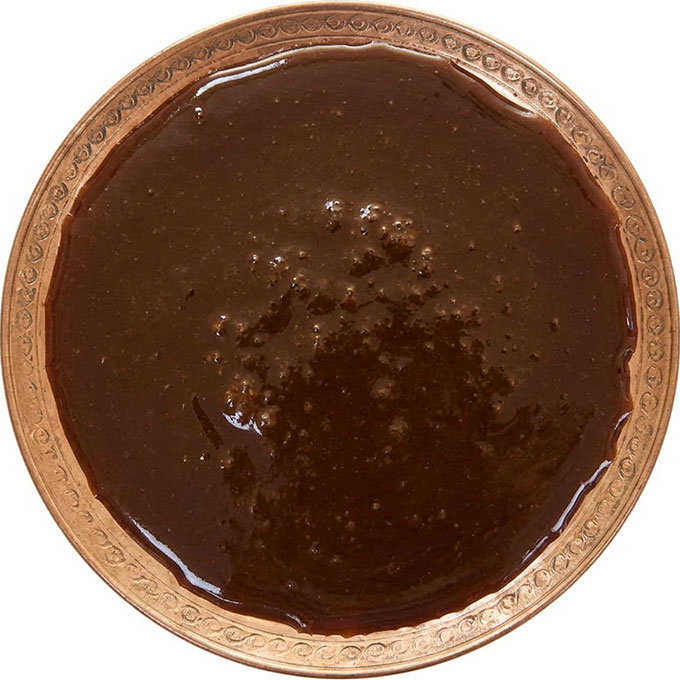
Antep Pekmezi / Gaziantep Pekmezi
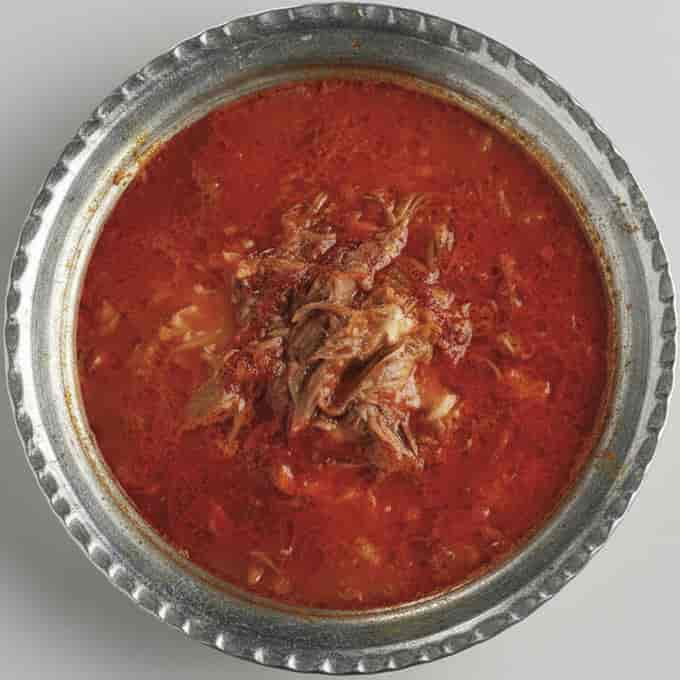
Antep Beyranı
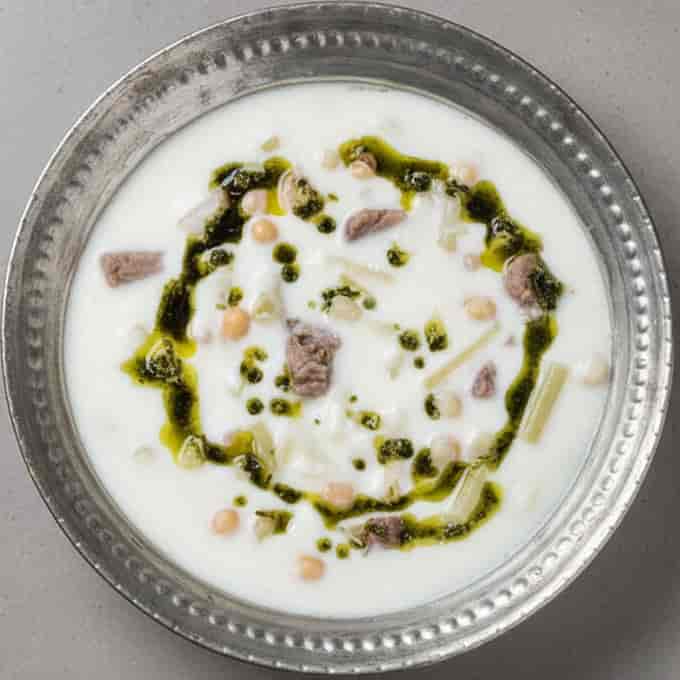
Gaziantep Yuvarlaması
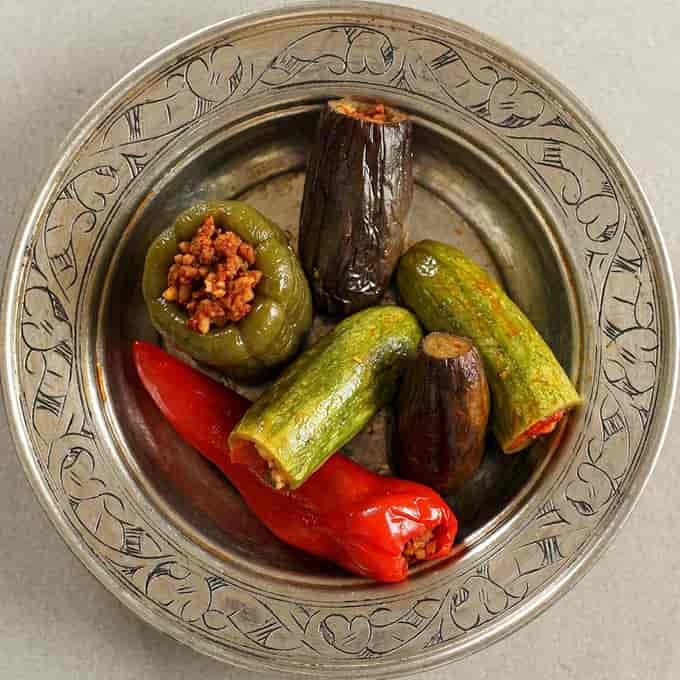
Gaziantep Allı Yeşilli Dolma
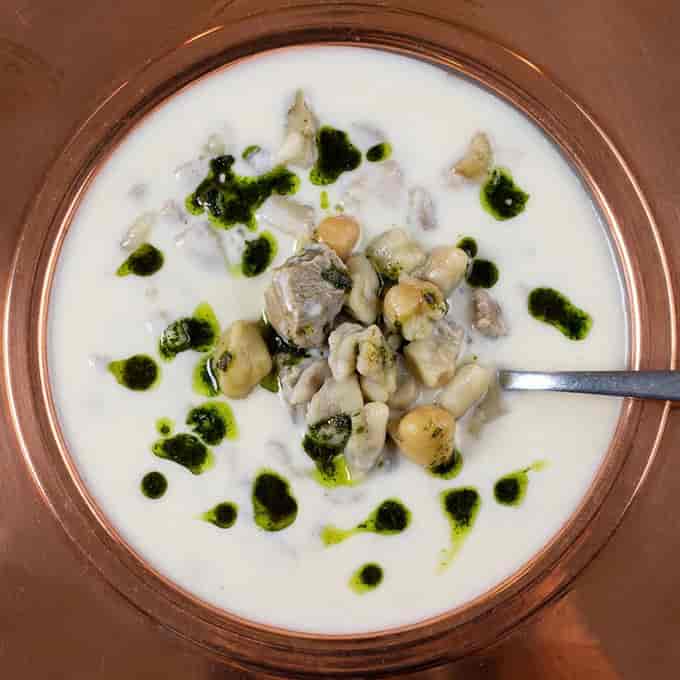
Gaziantep Börek Çorbası
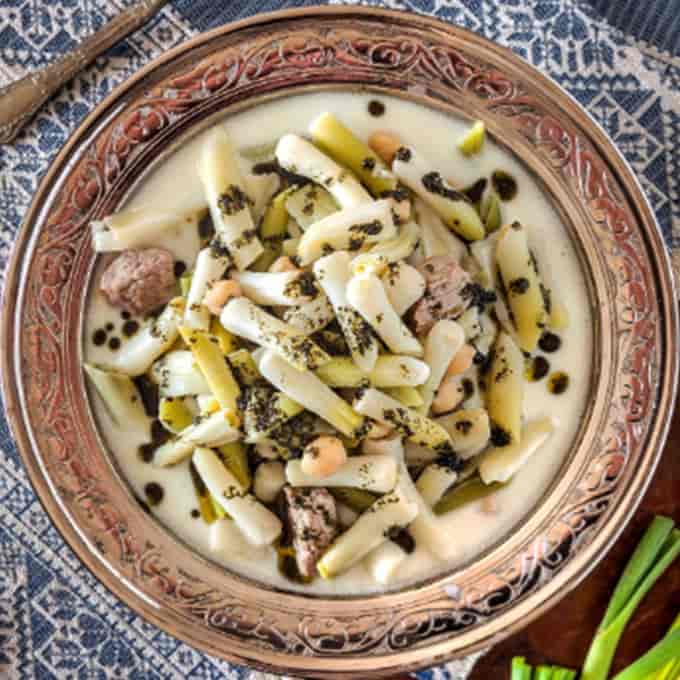
Antep Şiveydizi
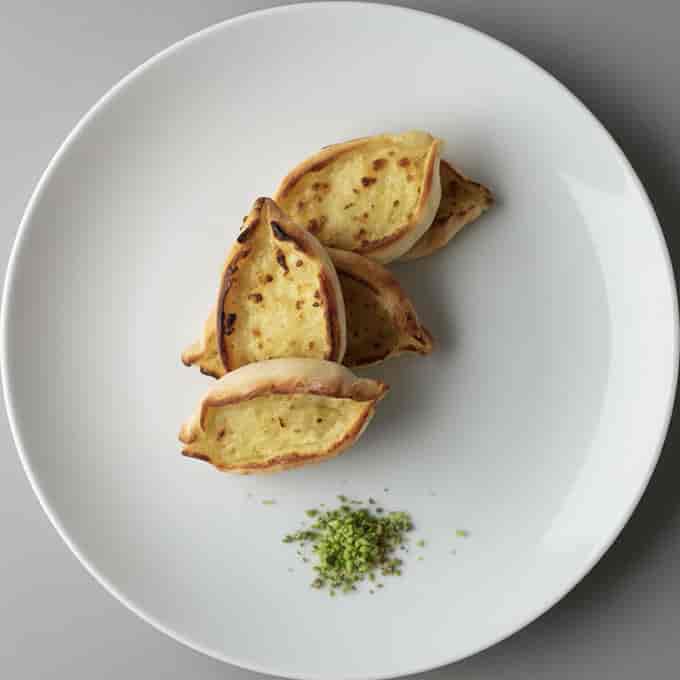
Gaziantep Sweet Cheese Pastry
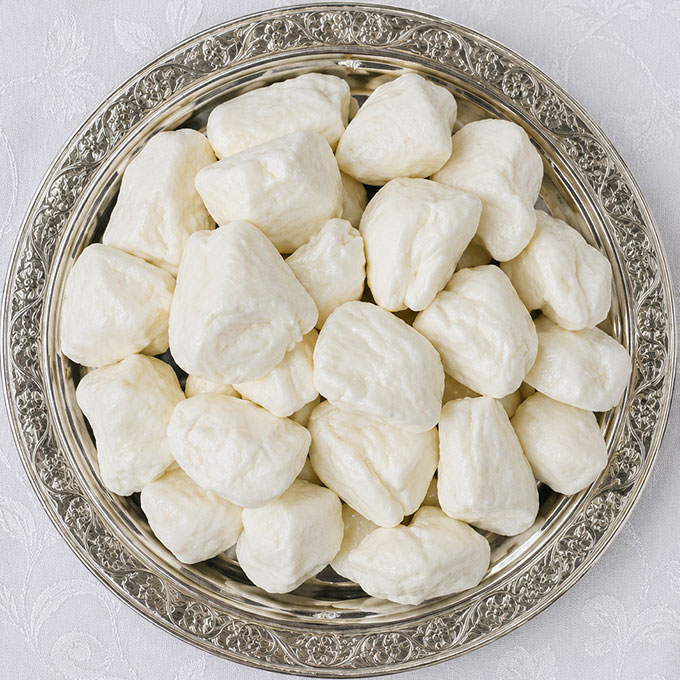
Gaziantep Cheese

Gaziantep Half Pan

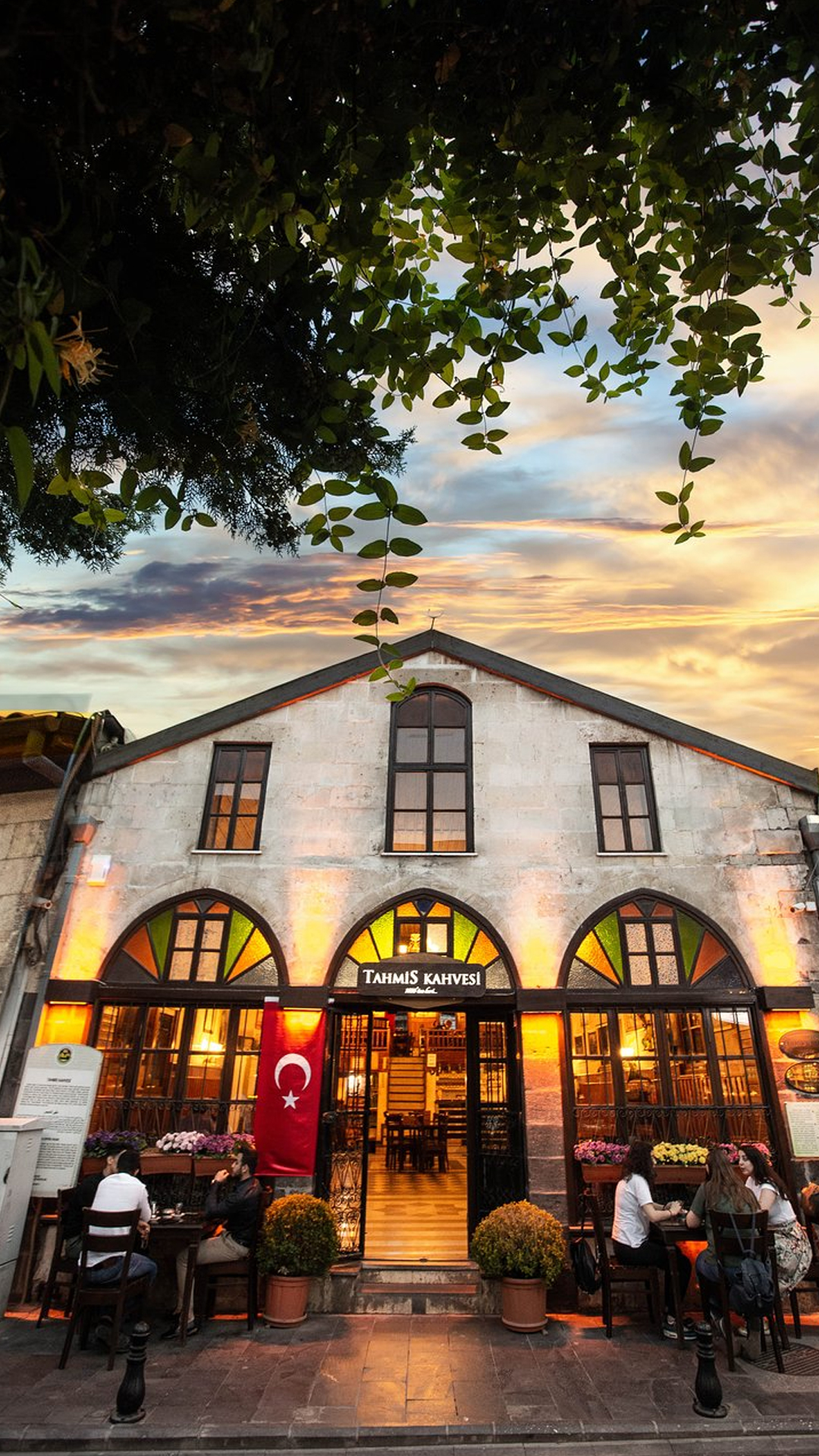
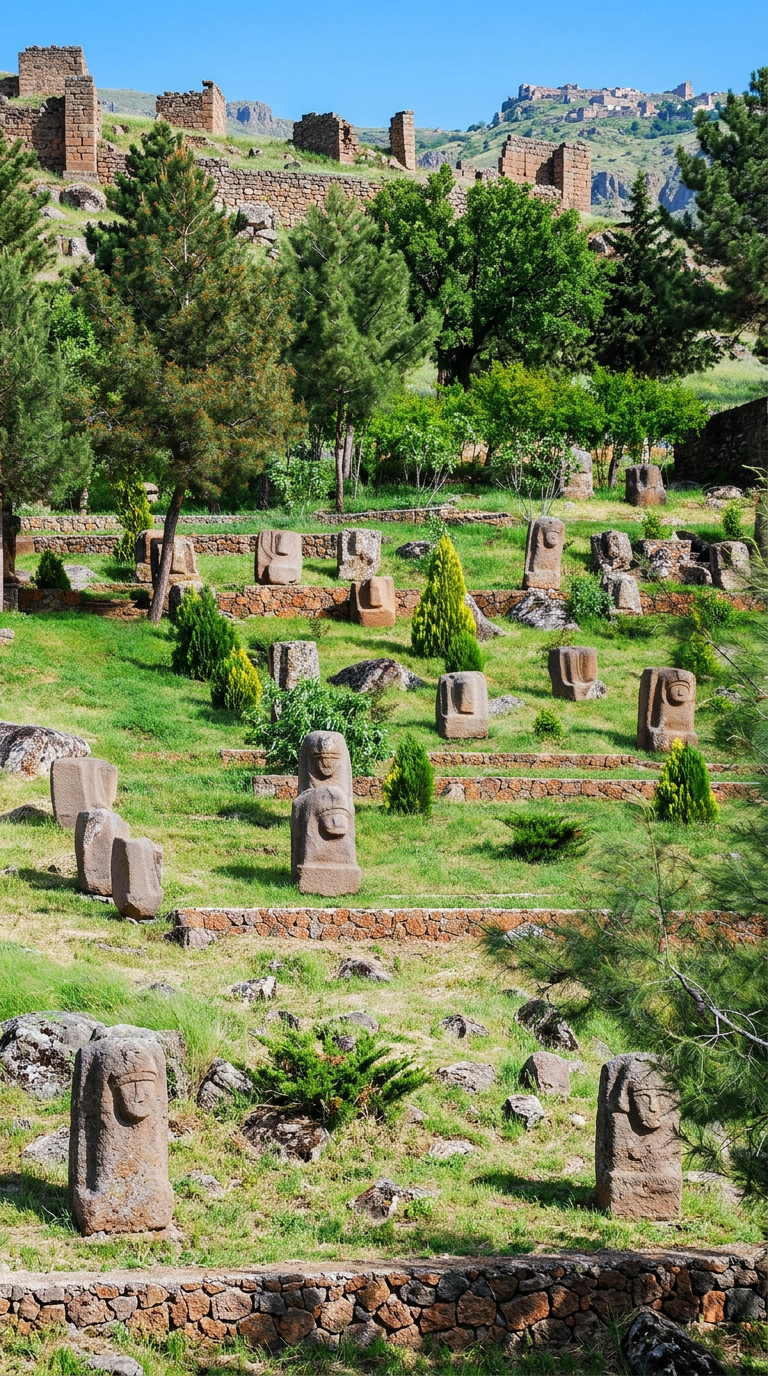
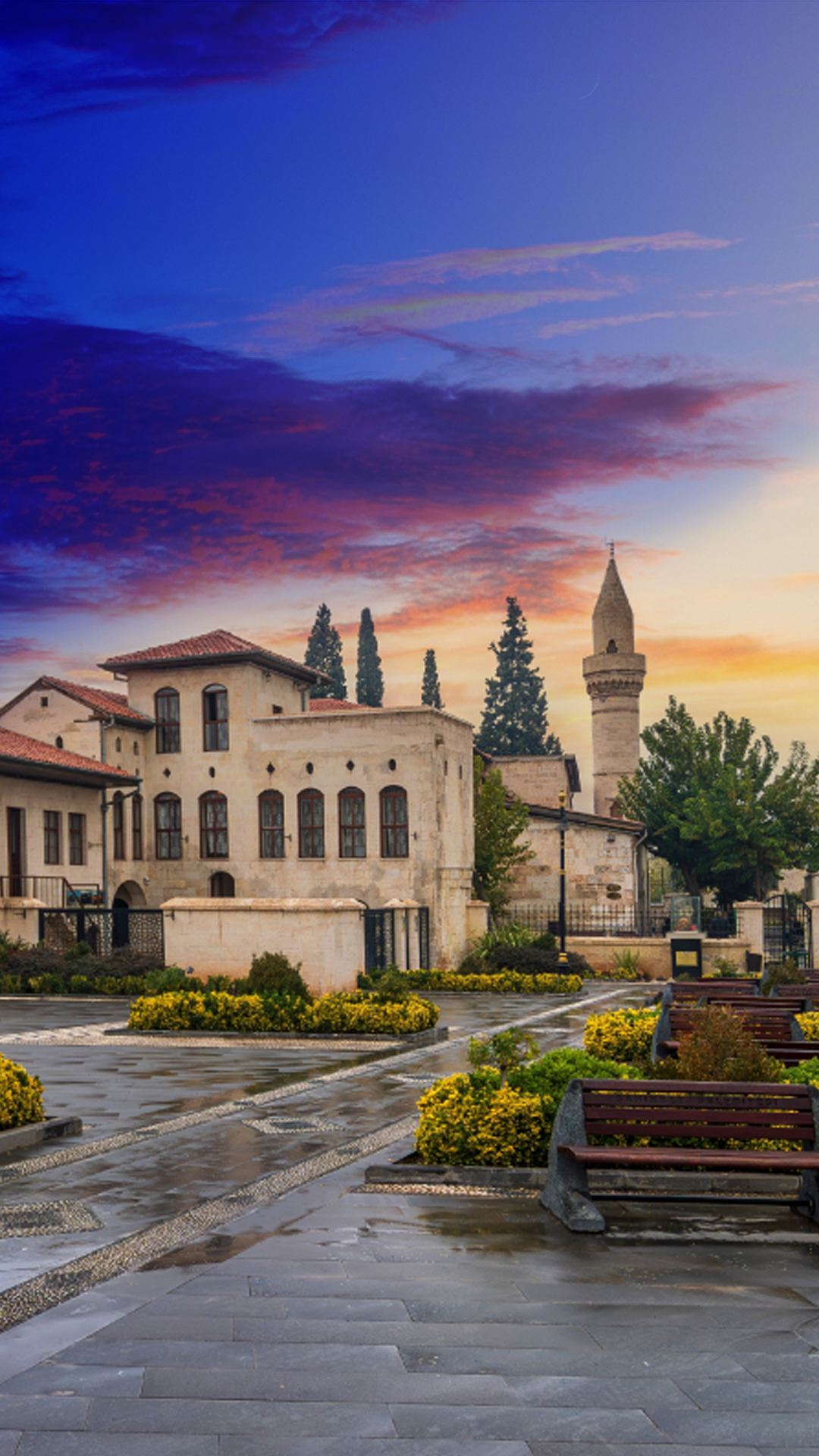

Yesemek

Gaziantep Castle

Toy & Game Museum

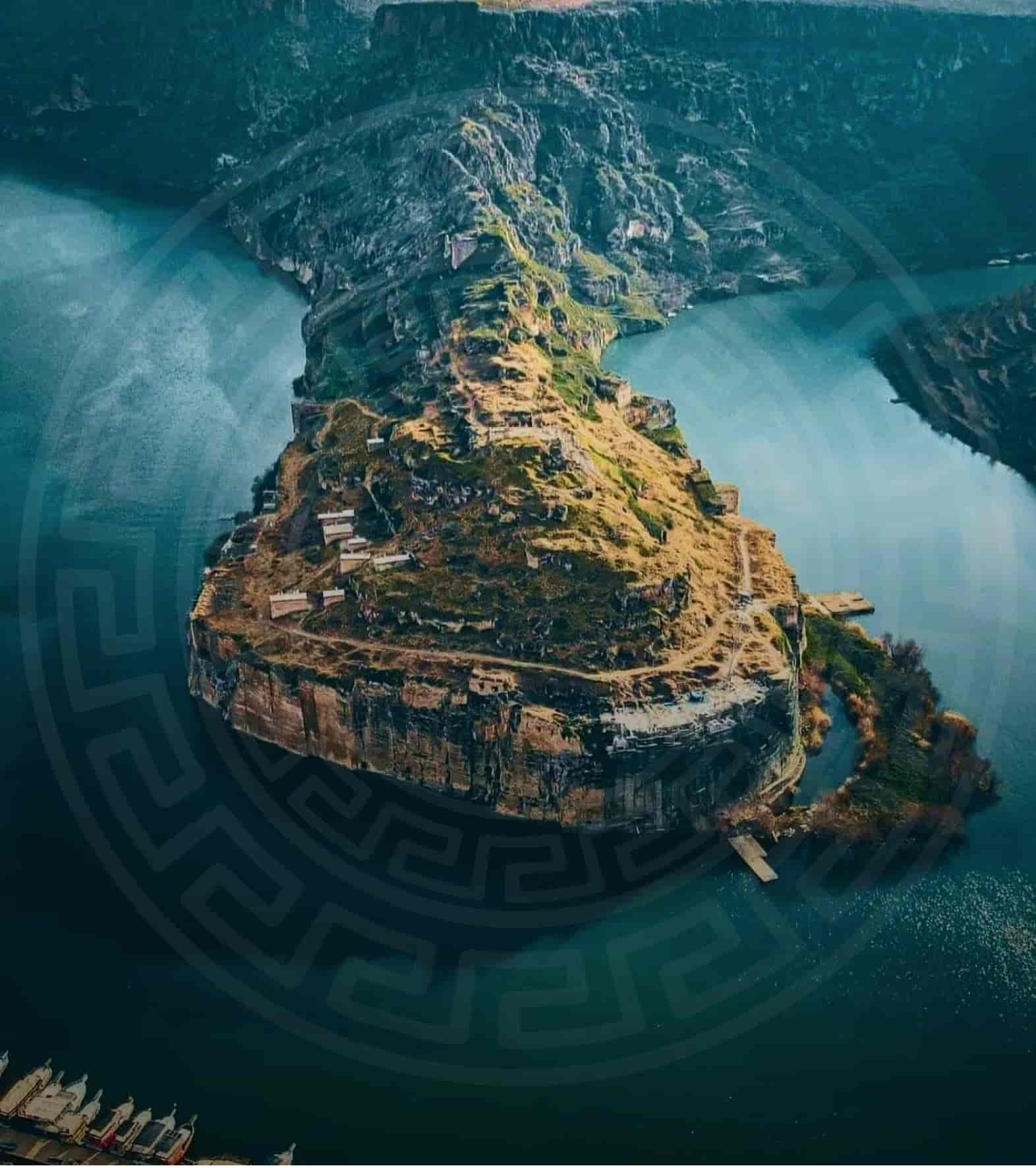
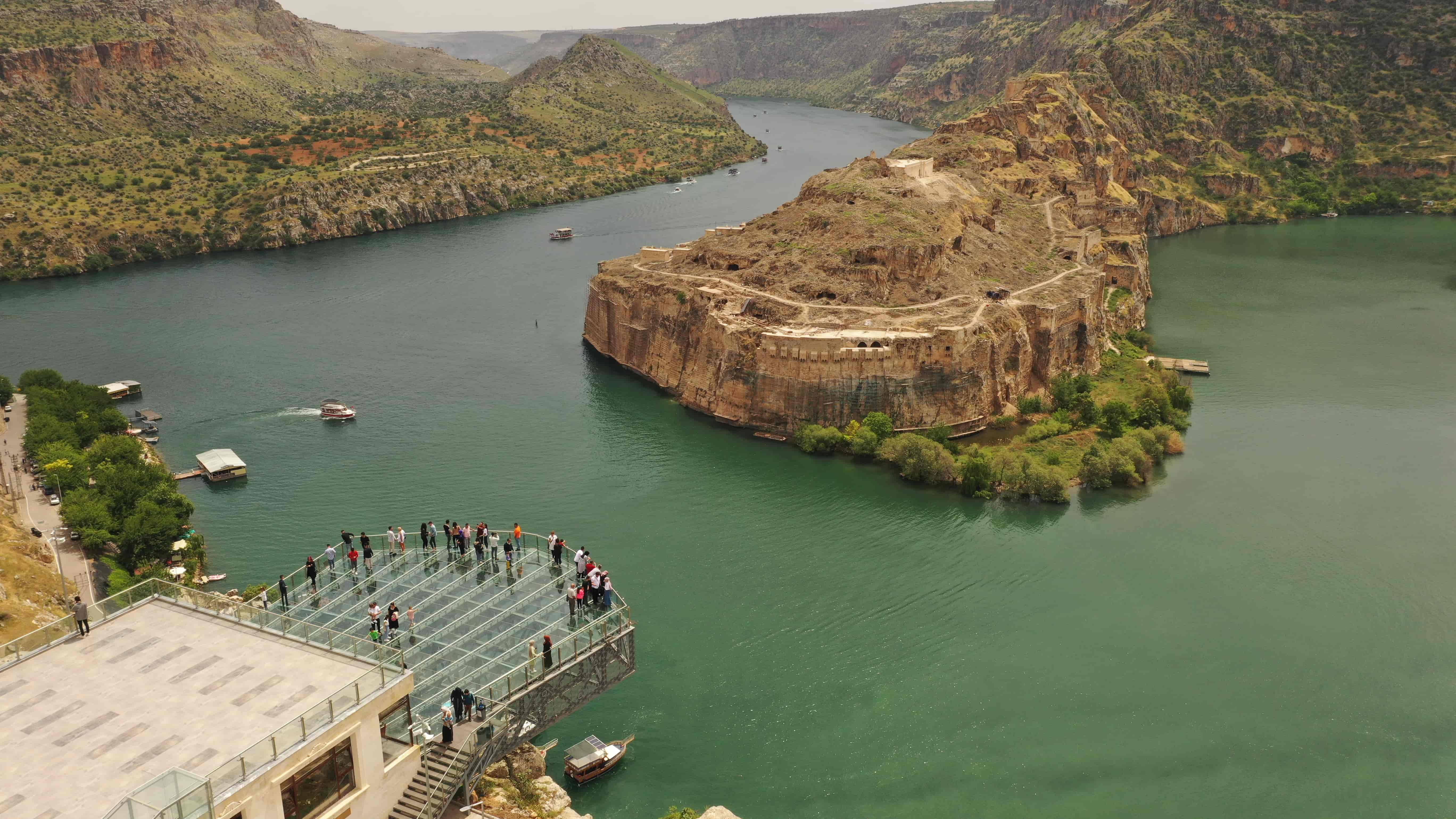
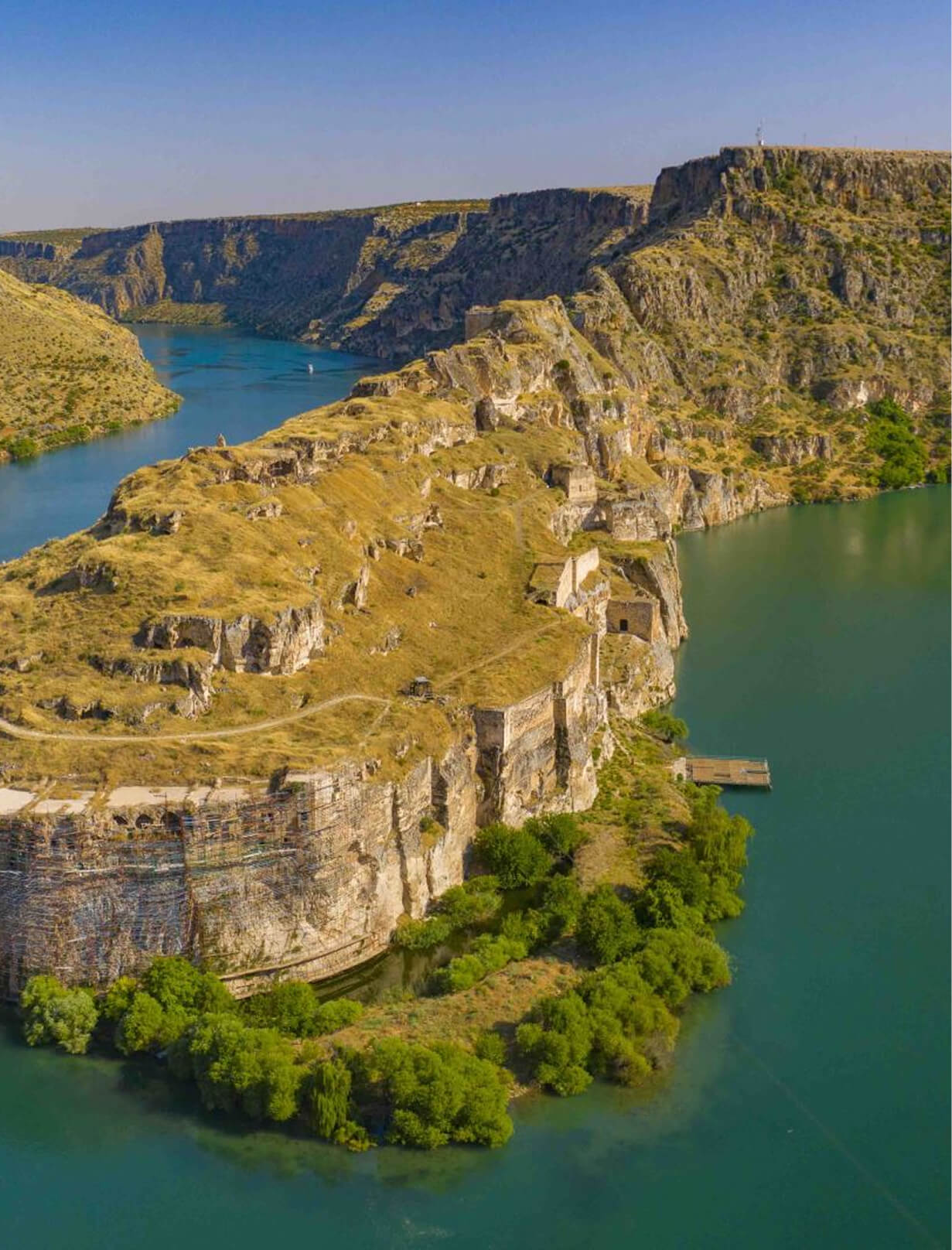
Rumkale

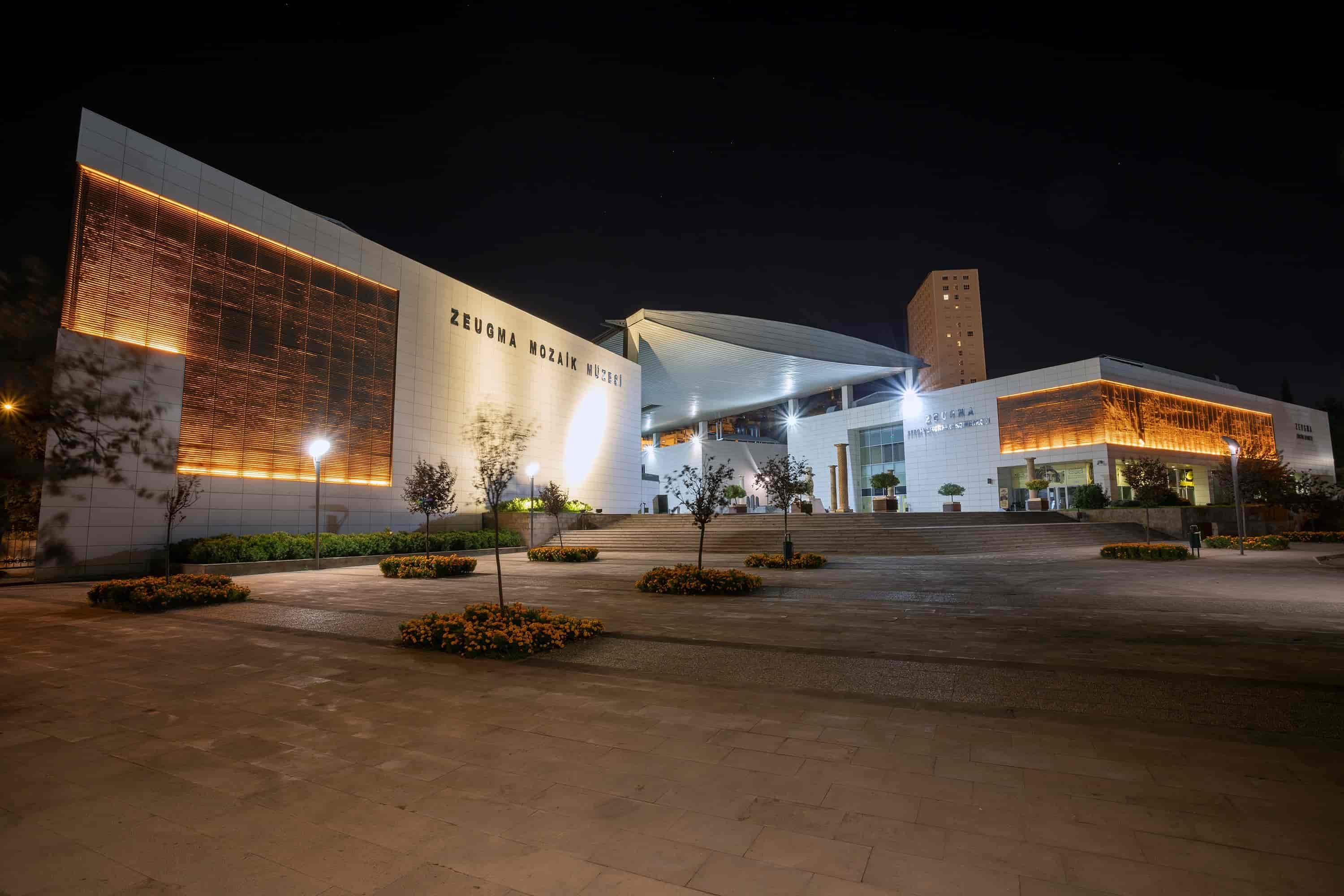
Zeugma Mosaic Museum

Zeugma Ancient City

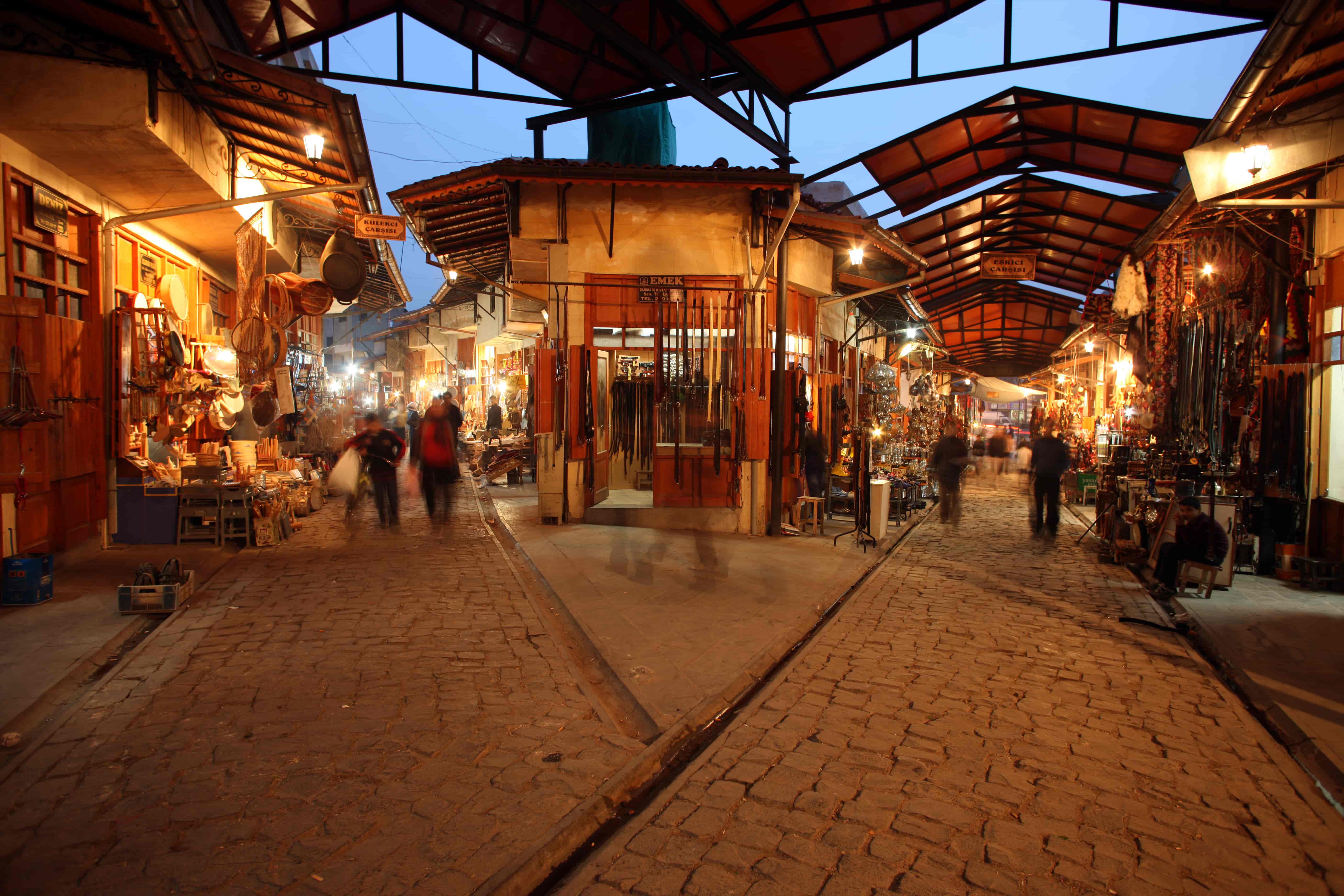
Coppersmith Bazaar

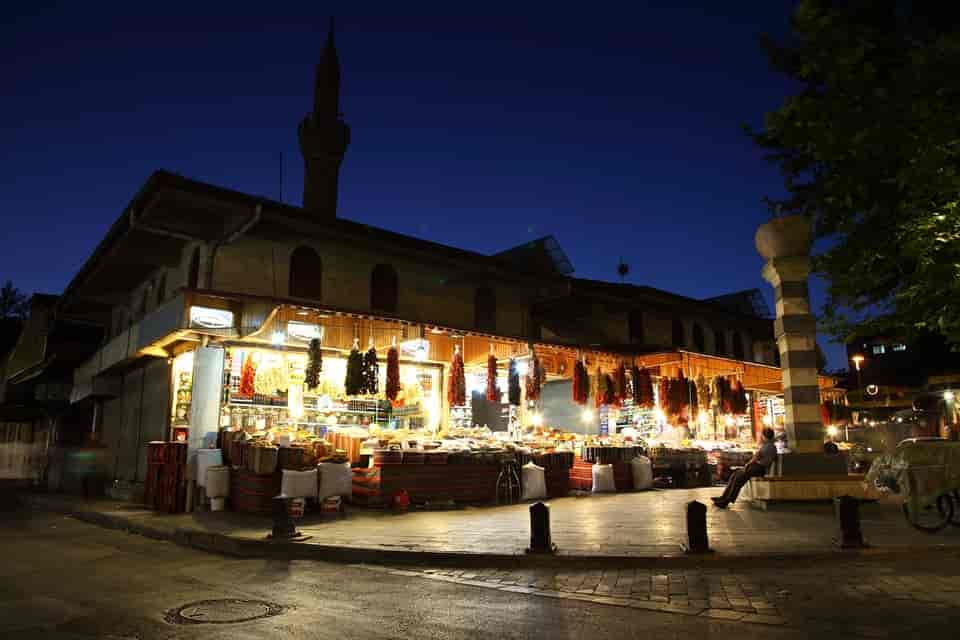
Grand Mosque


Ancient City: Gaziantep
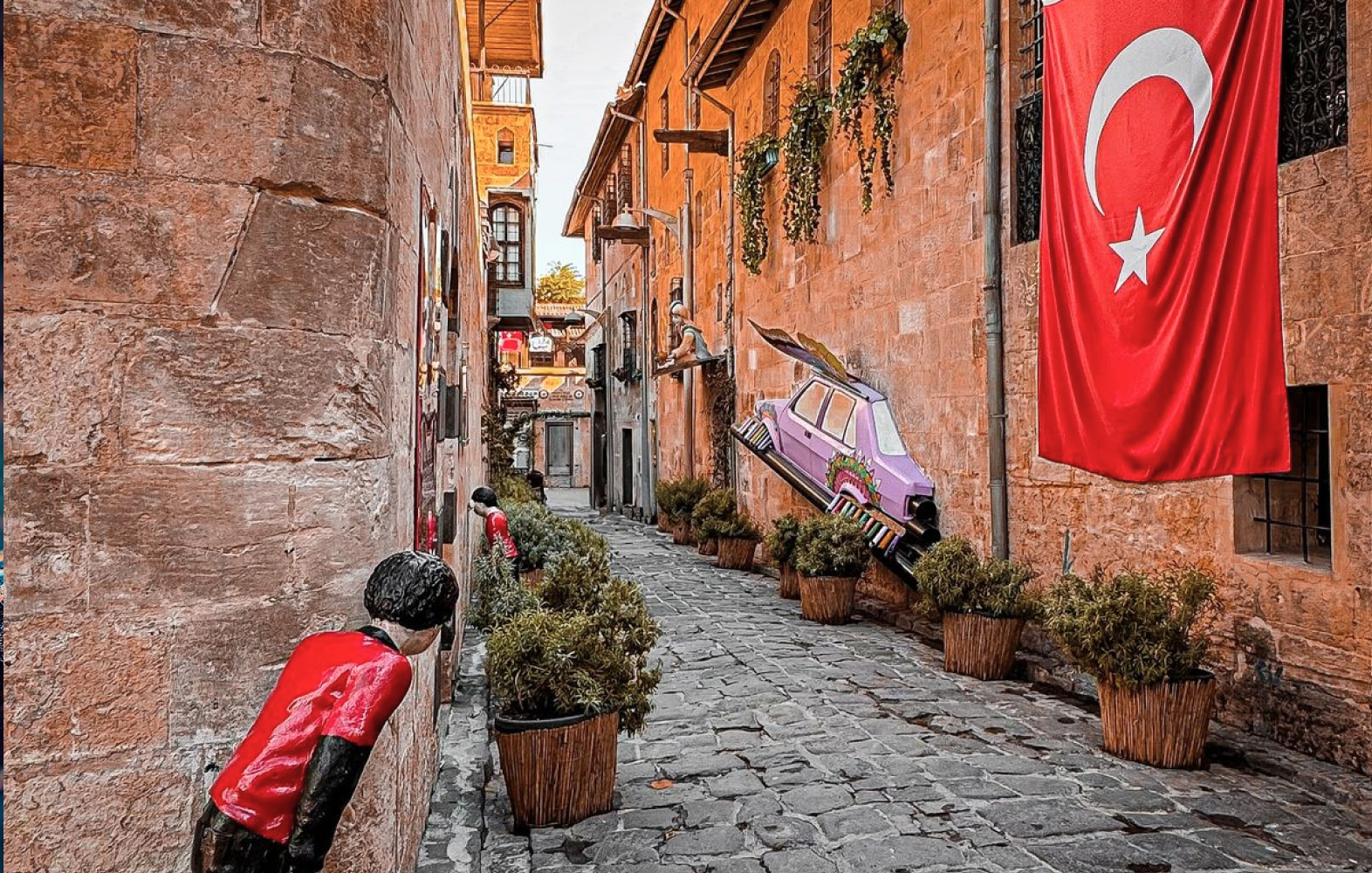
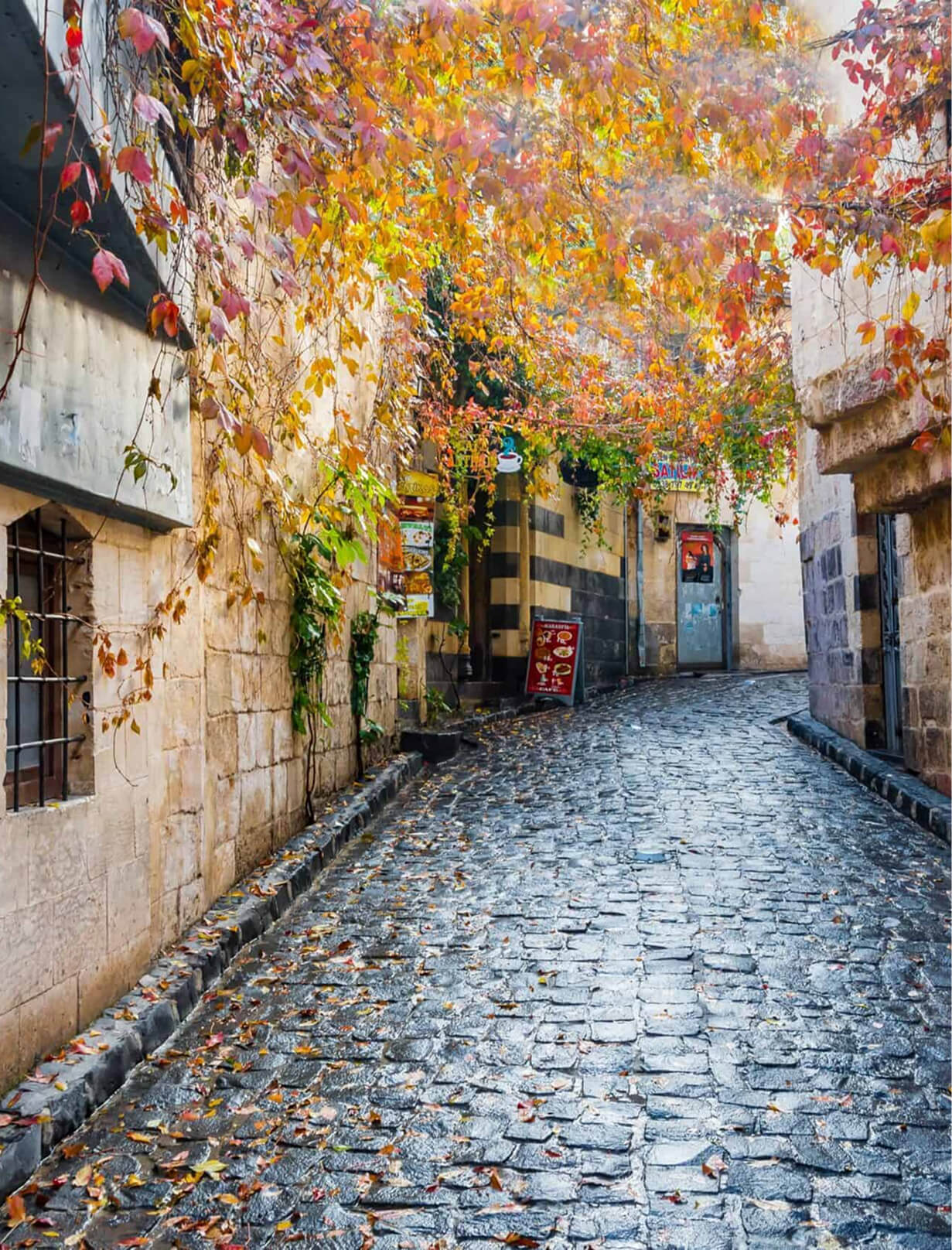
A Journey Through the Historic Streets of Gaziantep
It's time to embark on a journey through the narrow streets and historical sites of Gaziantep and taste the local flavors.
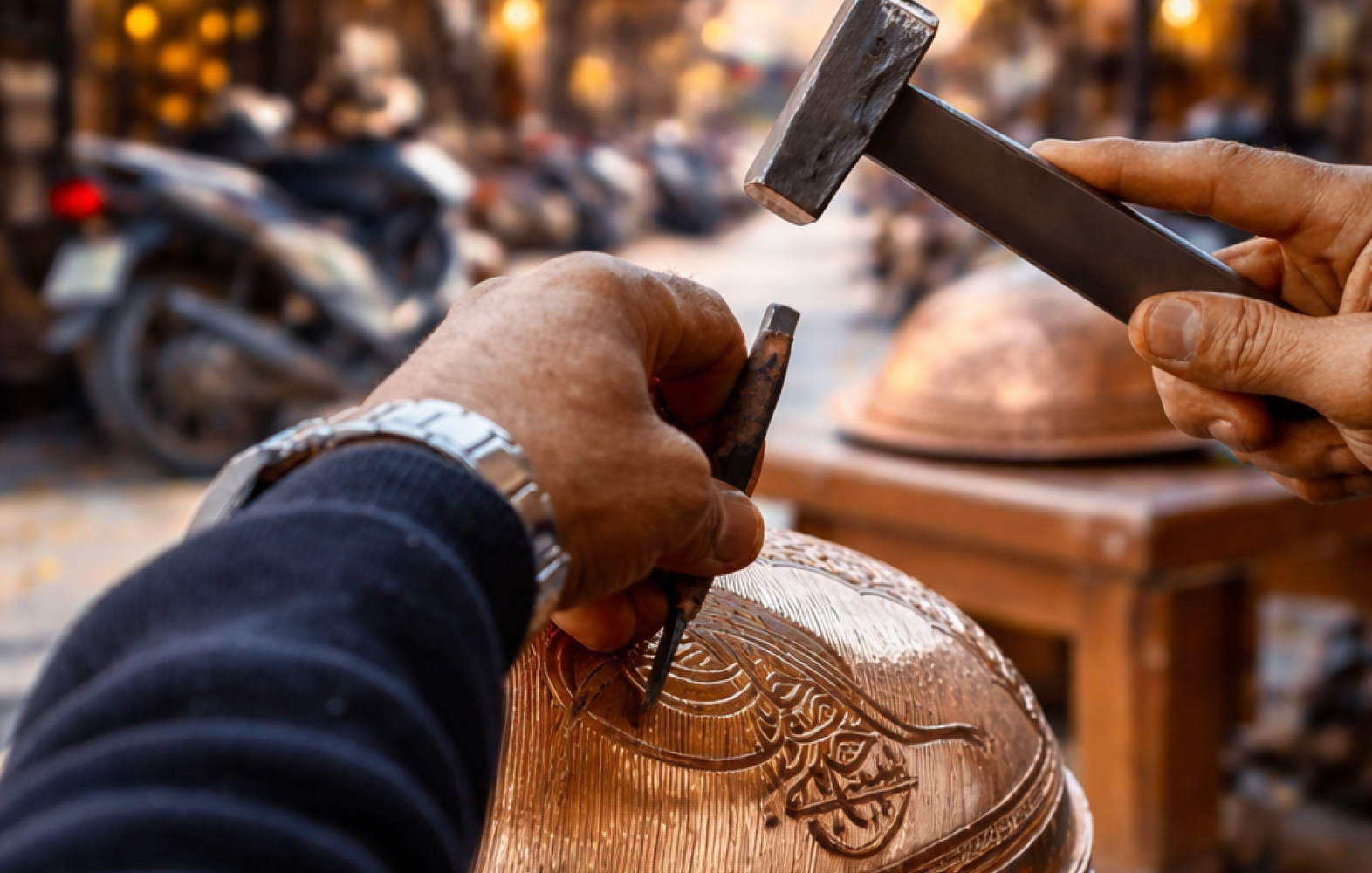
The Journey of Gaziantep Through the Depths of History
As you trace the footprints of history in the stone streets of Gaziantep, the rich cultural heritage of this ancient city will embrace you.
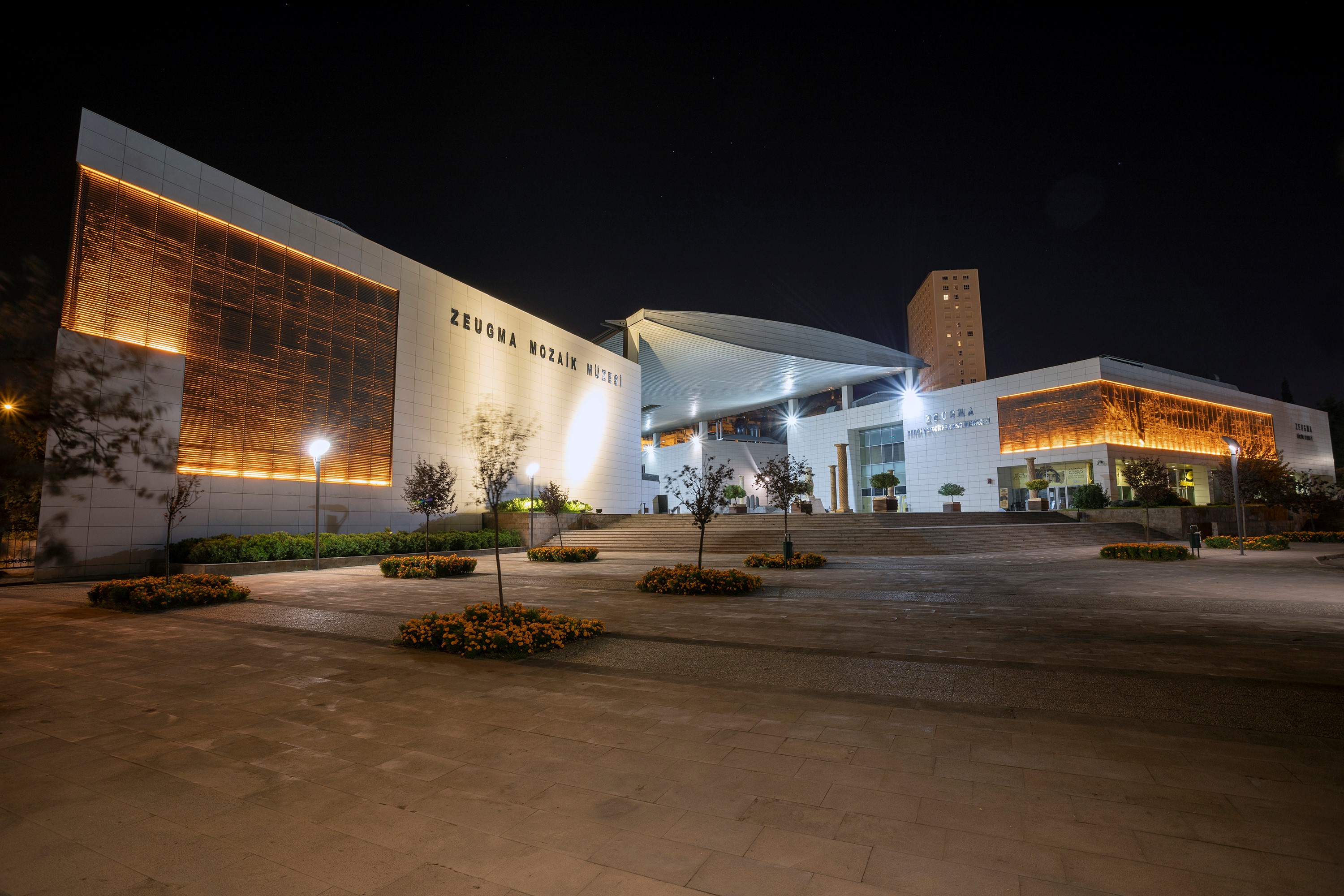
In the Depths of Gaziantep: Following the Traces of Mosaics and History
Step into the enchanting world of ancient stones and mosaics in the depths of Gaziantep; discover the rich fabric of history and culture.
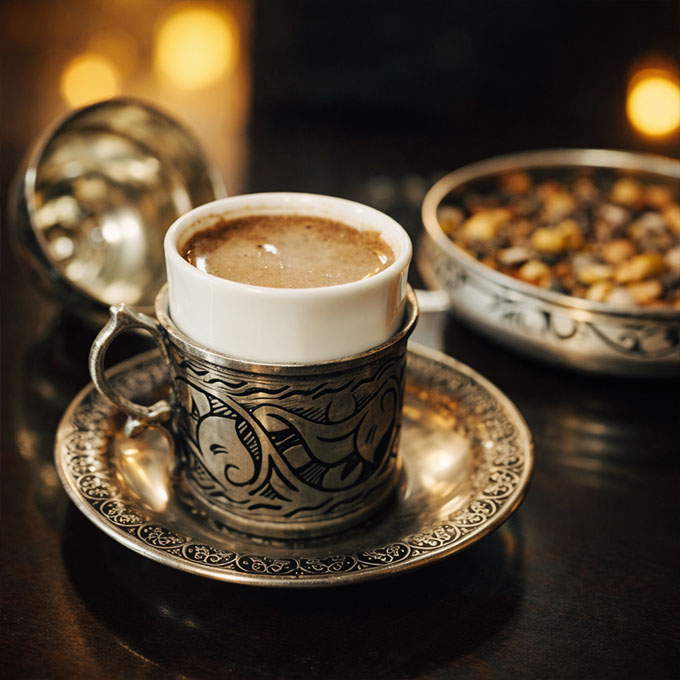
A Journey Through Time in Gaziantep: The Intersection of History and Flavor
Gaziantep offers a journey through time with its ancient history and unique cuisine. Every corner holds a story and a flavor waiting for you.

Almacı Pazarı
Almacı Pazarı
Almacı Pazarı, one of the most colorful stops in Gaziantep's historical trade fabric, takes its name from the apples and various fruits that were heavily sold here in the past. With its stone-arched shops, narrow streets, and stalls displaying spices, dried fruits, and local products unique to Antep, it is a popular spot for both locals and visitors. The market, which has preserved the bazaar culture for centuries, carries Gaziantep's cultural heritage into the present with its authentic atmosphere.
Prof. Dr. Alaeddin Yavaşca Children’s Library
Prof. Dr. Alaeddin Yavaşca Children’s Library
Prof. Dr. Alaeddin Yavaşca Children’s Library was established by Gaziantep Metropolitan Municipality as an interactive children’s library aimed at fostering reading habits among children aged 0–12 and supporting their artistic skills.
Buğday Hanı
Buğday Hanı
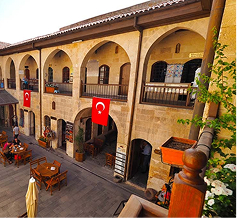
Dating back to the 17th century, Buğday Hanı is a magnificent two-courtyard, two-story structure that holds an important place in Gaziantep's commercial memory. It is believed to have been rebuilt after fires, and its white cut stone architecture and simple yet strong presence still attract attention today.
Mecidiye Hanı
Mecidiye Hanı
Mecidiye Hanı (Nakıp Hanı), one of the historical trade structures of Gaziantep, is mentioned in records dating back to 1756. With its single courtyard and two-story plan, it is one of the original examples of Ottoman caravanserai architecture. The han, which draws attention with its irregularly shaped courtyard, facades surrounded by shops, and the muqarnas decorations at the western gate, has been restored and reintroduced into the city's life.
Pürsefa Hanı
Pürsefa Hanı
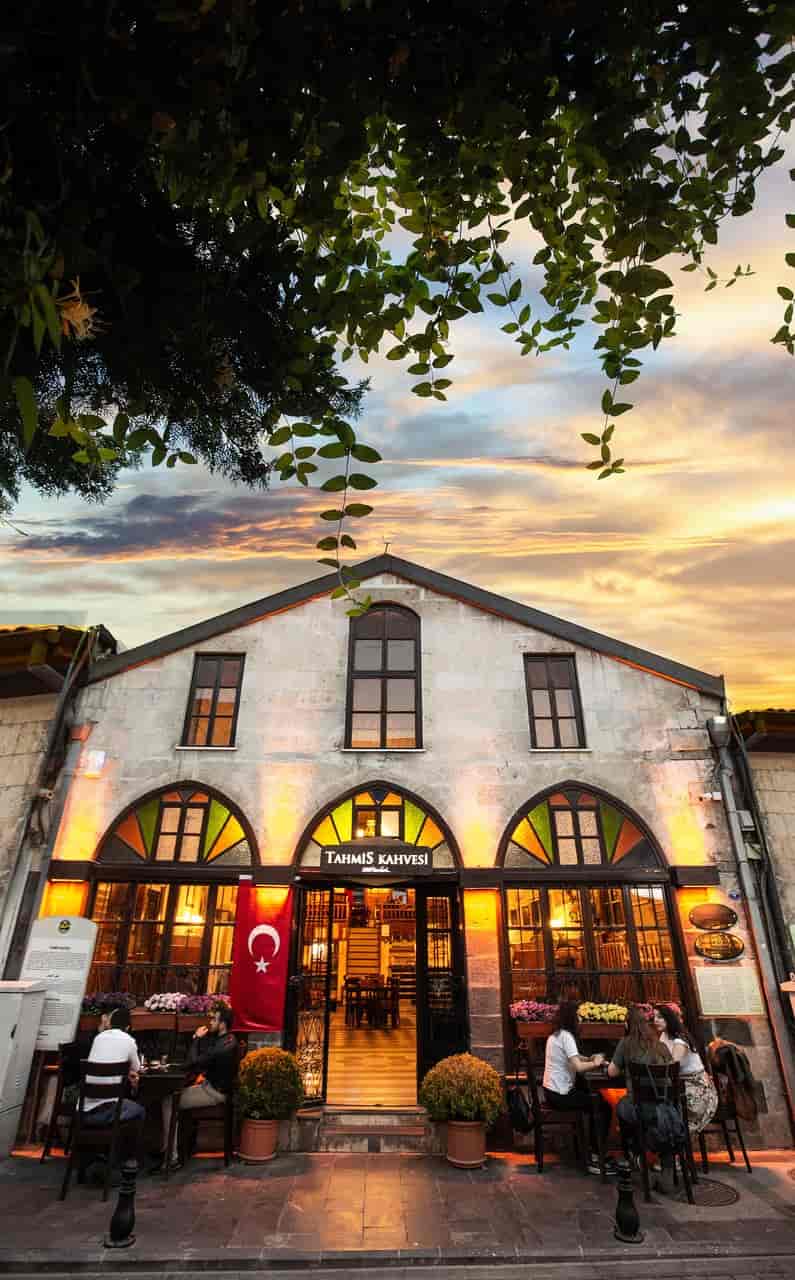
Located across from the Gaziantep Mevlevihanesi, the inscription on the door of Pürsefa Han states that it was built in 1887. However, it is estimated that the original construction date is about 400 years earlier. Throughout history, the inn has been used for various purposes such as accommodation and soap manufacturing, and it was restored in 2008 to be brought back to Gaziantep. Today, it serves as a tourist destination with shops selling souvenirs, restaurants, cafes, and confectionery shops.
Yemiş Hanı
Yemiş Hanı
Yemiş Hanı is an Ottoman inn believed to have been built in the early 1900s, featuring two stories and a single courtyard. Unlike other inns, the spaces surround the courtyard only from the north and south. The north wing contains shops opening to the street and passenger rooms on the upper floor, while the south wing features spaces opening to the courtyard. The inn was restored in 2004.
Women Martyrs Monument
Women Martyrs Monument
The Women Martyrs Monument was erected by Gaziantep Metropolitan Municipality in memory of 83 women who fell as martyrs during the War of Independence. It is the first monument in Turkey dedicated to female martyrs. According to General Staff records, 6,317 people from Antep were martyred in the War of Independence, of which 83 were women. Due to the burial of the martyr women in Boyacı Mosque, the monument was built in the courtyard of Boyacı Mosque in Şahinbey district.
Hasanoğlu Monumental Tomb
Hasanoğlu Monumental Tomb
It is located in Hasanoğlu Village, Araban district. The Hasanoğlu monumental tomb is built using cut stone and rises on a square-planned base. It has an aesthetic appearance with its architecture of the columns and arches on the south and west facades. The walls on the north and east facades are completely destroyed, and the base is partially ruined. The monumental tomb is thought to date back to the late 2nd century to the early 3rd century A.D.
Hisar Monumental Tomb
Hisar Monumental Tomb
Hisar Monumental Tomb is located in Hisar Village, Araban district of Gaziantep and is one of the significant monumental tombs that have survived from the Roman period to the present day. The structure, approximately 10 meters high, is made of cut stone and consists of a high base, a body with Corinthian column capitals, and a pyramidal roof. There is a column capital on the roof, where it is believed a statue once stood. Although it is unknown to whom the monument belongs, it is dated to the late 2nd century to the early 3rd century AD.
Elif Monumental Tomb
Elif Monumental Tomb
Elif Monumental Tomb is located in Elif Village, which is part of Gaziantep's Araban district. The village is known as the city of Sugga, located at the intersection of important roads in ancient times. The monumental tomb, dating back to the Roman Period, is made of hewn stone and built on a high base. It is notable for its arched facades, Corinthian columns, and pyramidal roof. The structure is dated to the late 2nd century to the early 3rd century AD and is considered one of the most magnificent Roman monumental tombs in the region.
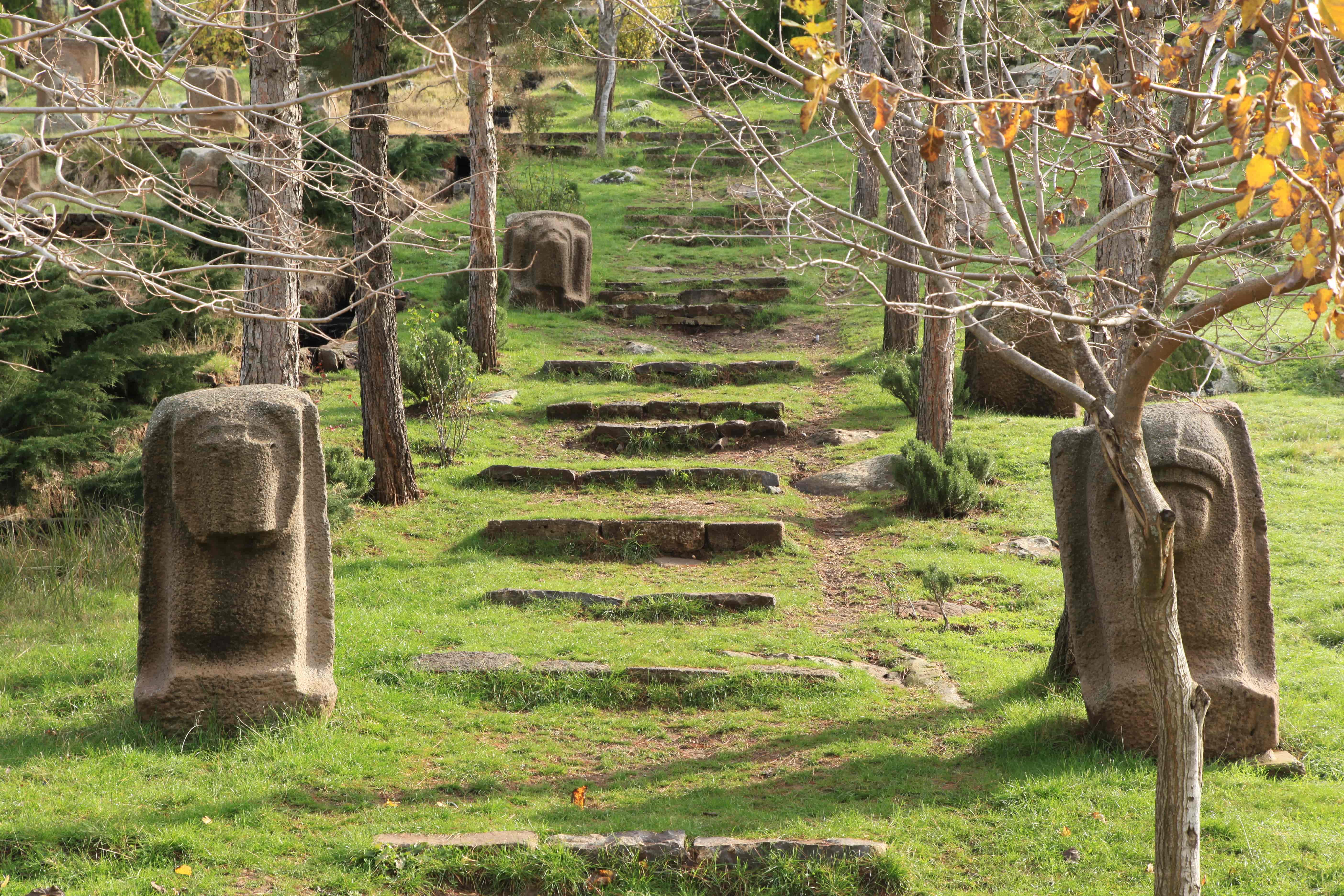
Yesemek Open Air Museum
Yesemek Open Air Museum
Yesemek Ancient City is an important stone quarry and sculpture workshop dating back to the Late Hittite Period, located near Gaziantep’s İslahiye district. This center, believed to have been active particularly in the 8th century BC, met the sculpture needs of monumental structures in the region. The site contains hundreds of unfinished lion statues, sphinxes, and various relief drafts. These works are of great importance as they show the production stages of the sculptures step by step. Yesemek is a unique archaeological site that carries the power of Hittite art and the mastery of stone craftsmanship to the present day, being one of the largest open-air sculpture workshops in the Near East.
Karkamış Ancient City
Karkamış Ancient City
Karkamış Ancient City is an important ancient settlement located near Gaziantep, on the west bank of the Euphrates River and on the Turkey-Syria border. It holds a strategic position between Anatolia, Syria, and Mesopotamia. It served as the capital of the Karkamış Kingdom, one of the most powerful kingdoms of the Late Hittite Period. The reliefs uncovered during excavations reflect the culture of the 1st millennium BC and most of them are exhibited in the Museum of Anatolian Civilizations.
Tilmen Höyük
Tilmen Höyük
Tilmen Höyük is located in the İslahiye Plain, west of Gaziantep, and is considered one of the most magnificent cities of Anatolia during the Hittite period. The city was protected by a two-wall system consisting of inner and outer fortifications, notable for its large and well-cut stone walls. The monumental gate on the east is adorned with lion reliefs. Excavations have revealed palace structures, orthostat walls, and numerous pottery, seals, and decorative items; these findings indicate that the city had strong connections with ancient Anatolian cultures.
Dülük Ancient City
Dülük Ancient City
Dülük Ancient City is a very old settlement located in the northwest of Gaziantep, established on important trade routes throughout history; the Paleolithic stone tools found on Keber Hill make it one of the oldest inhabited areas in the world. The city has held great religious significance, especially with the Teşup/Jupiter Dolichenus sacred site and the first Mithras underground temple in Anatolia; it became a center of archbishopric during the Byzantine period and today attracts attention with its rock tombs and temple ruins.
Zeugma Ancient City
Zeugma Ancient City
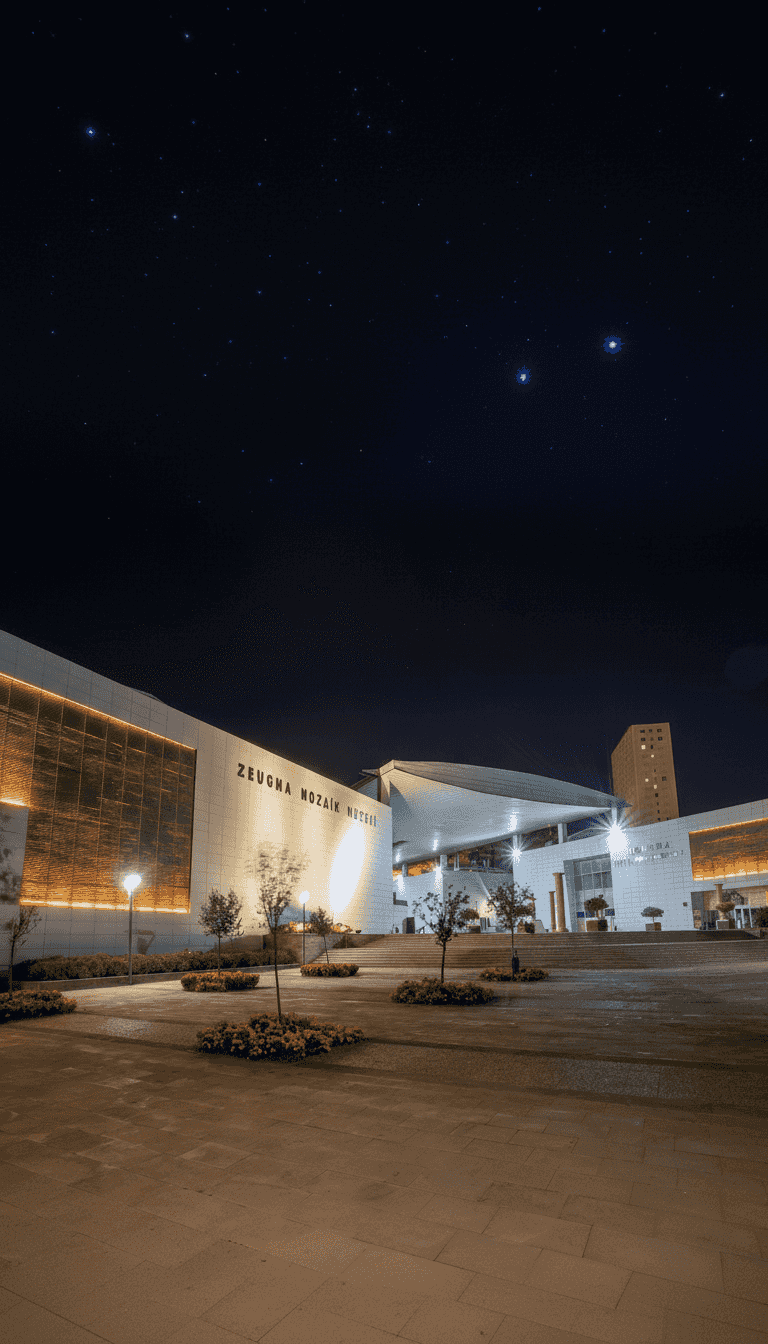
Zeugma is an important military and commercial center established at a strategic crossing point on the Euphrates River. Founded during the Hellenistic Period by Seleucid King I. Seleucus Nikator, it takes its name from the word 'Zeugma,' meaning 'crossing.' The city became a significant military base on the eastern frontier during the Roman period and experienced its wealthiest period particularly in the 2nd century A.D. It suffered great destruction due to the attack of Sasanian King I. Shapur in A.D. 253. Excavations between 1993 and 2003 uncovered numerous villas and famous floor mosaics. These mosaics, depicting mythological and daily life scenes, have made Zeugma an important center in terms of world cultural heritage. A portion of the ancient city was submerged under the waters of the Birecik Dam in 2000. Excavations are still ongoing.
Tabak Hamamı
Tabak Hamamı
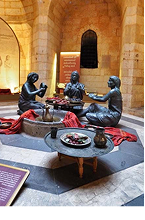
Although the exact construction date of Tabak Hamamı is unknown, it is understood from Evliya Çelebi's Travelogue that it was built before the 17th century. The hamam is made of large cut stone and has a cross-shaped plan. The cold section is accessed by descending 20 steps from the street. It is covered by a dome and features an octagonal pool in the center. The warm section includes a central domed area, while the hot section has 4 iwans and 4 private rooms. The water reservoir and the furnace are located in the continuation of the heat. Today, the hamam maintains its original function and is in good condition.
Tütün Hanı
Tütün Hanı
There is no construction inscription for Tütün Hanı. However, it is mentioned in the 1754 records of the Sharia Court, and it is understood that tobacco trade was conducted here before that date. This indicates that the inn was built before the mid-18th century. The first known owner in the 19th century was Hüseyin Ağa. The inn was restored by the Regional Directorate of Foundations in 2007.
Şire Hanı
Şire Hanı
The inn was built in 1885–1886 by the order of the Governor of Aleppo, Cemil Bey, by Kaymakam Rüstem Bey and Mayor Mustafa Ağa. The architect was Kirkor, and the engraver was Abbas. The structure is a single courtyard, two-story building that carries the characteristics of classical Ottoman inn architecture. The ground floor contains shops, storage, and stables; the upper floor has passenger rooms. The courtyard is surrounded by buildings on all sides. Initially, there was a well in the middle, which was later replaced by a fountain. The upper floor is surrounded by porticos on three sides.
Şeker Han
Şeker Han
The exact construction date of Şeker Han is not known; however, Sharia Court records indicate that it existed in the 16th century. Built from finely cut stone, the inn is two stories high, with rooms arranged around a central courtyard. The structure features an impressive entrance door, with porticoes and columns supporting the upper floor surrounding the courtyard.
Customs Inn
Customs Inn
The inn located on Gümrük Street in Şekeroğlu Neighborhood was historically used as a caravanserai. It has been restored by Şahinbey Municipality to serve as a center for promoting and transferring endangered handicrafts to future generations, and has been opened to service as the 'Living Museum Historical Customs Inn'.
Budeyri Han
Budeyri Han
Although the exact construction date of the han is unknown, it is believed to have been built in the early 1900s. It falls under the category of two-story and single courtyard plan type in Ottoman han architecture. However, unlike classical hans, the spaces only surround the courtyard from the north and south, not from all sides. The southern section is single-story, while the northern section is two-story. The ground floor of the northern wing has shops opening to the street, and the upper floor contains passenger rooms. There are 15 spaces opening to the courtyard in the southern wing. The stable section consists of 32 vaulted chambers. Yemiş (Maarif) Han was restored in 2004 as part of the Municipality Han restoration program.
Bayaz Han
Bayaz Han
Bayaz Han was built by tobacco merchant Bayaz Ahmet Ağa, who exported Hasankeyf tobacco from Gaziantep to Egypt using his own camel caravan. Bayaz Han was constructed by Aleppo architects and stone masons in partnership. Construction began in 1905 and was completed in 1909. After the British occupation of Antep following World War I, Bayaz Han was used as a headquarters. During the years of the Antep defense, part of the inn was used as a prison. It was converted into a museum by the Gaziantep Metropolitan Municipality to promote the city's culture and history and opened to the public in 2009.
Kozluca Kastel
Kozluca Kastel
Dating to the 16th century, the kastel was built next to the mosque and it is thought that it was built to meet the water needs of the masjid. During the excavations, water pipes made of terracotta (kunks) and livas, which were used for draining swamps, discharging the water accumulated in a spot, and collecting the underground water, were found.
Ahmet Çelebi Castle
Ahmet Çelebi Castle
Ahmet Çelebi Castle is located in the courtyard of Ahmet Çelebi Mosque and was built as part of a holistic complex along with the mosque and madrasa. Visitors descend 44 steps, 12 of which are made of cut stone and 32 are carved from rock, to reach the water reservoir below. It has been evaluated as a space for worship and social use alongside water supply.
Imam-i Gazali Castle
Imam-i Gazali Castle
Imam-i Gazali Castle is one of the historically and culturally significant examples among Gaziantep's underground water structures. The name of the structure is associated with Imam Gazali, who is believed to have retreated to the region according to legend. The structure, accessed by approximately 40 steps, contains a water pool called 'Hamam Gazel'. Surrounding the pool are a mosque and worship areas, and the structure has been used for social and religious purposes.
Pişirici Mosque and Castle
Pişirici Mosque and Castle
Pişirici Mosque and Castle, considered one of the oldest castles in Gaziantep, is an early example of the city's historical water architecture. Its history is believed to date back to the 13th century. The architectural features include construction with cut stone material and pointed arch arrangements. It served both for water supply and as a social space for public use.
İhsan Bey Mosque and Castle
İhsan Bey Mosque and Castle
Located in the city center of Gaziantep, İhsan Bey Mosque and Castle holds an important place among the city's water structures. The castle dates back to the 16th century. Its architectural features include a descent to the underground through approximately 25 steps from the mosque courtyard, where pools collecting water and channels connecting to the liva line can be found. The structure has served not only to meet the water needs but also fulfilled social and religious functions such as worship, rest, and bathing.
Erikçe Culinary Arts Centre
Erikçe Culinary Arts Centre
The Culinary Arts Centre is open every day for those who want to discover Gaziantep's rich culinary culture and gastronomic heritage and experience the taste of barbecue and oven dishes.
Gaziantep Culinary Arts Centre
Gaziantep Culinary Arts Centre
The Culinary Arts Centre is open every day for those who want to discover Gaziantep's rich culinary culture and gastronomic heritage and experience local pot dishes.
Udma Restaurant
Udma Restaurant
Located in Udma Cheese Museum, the restaurant serves breakfast consisting of local products with geographical indication specific to Gaziantep.
Kayna Soap and Molasses Museum
Kayna Soap and Molasses Museum
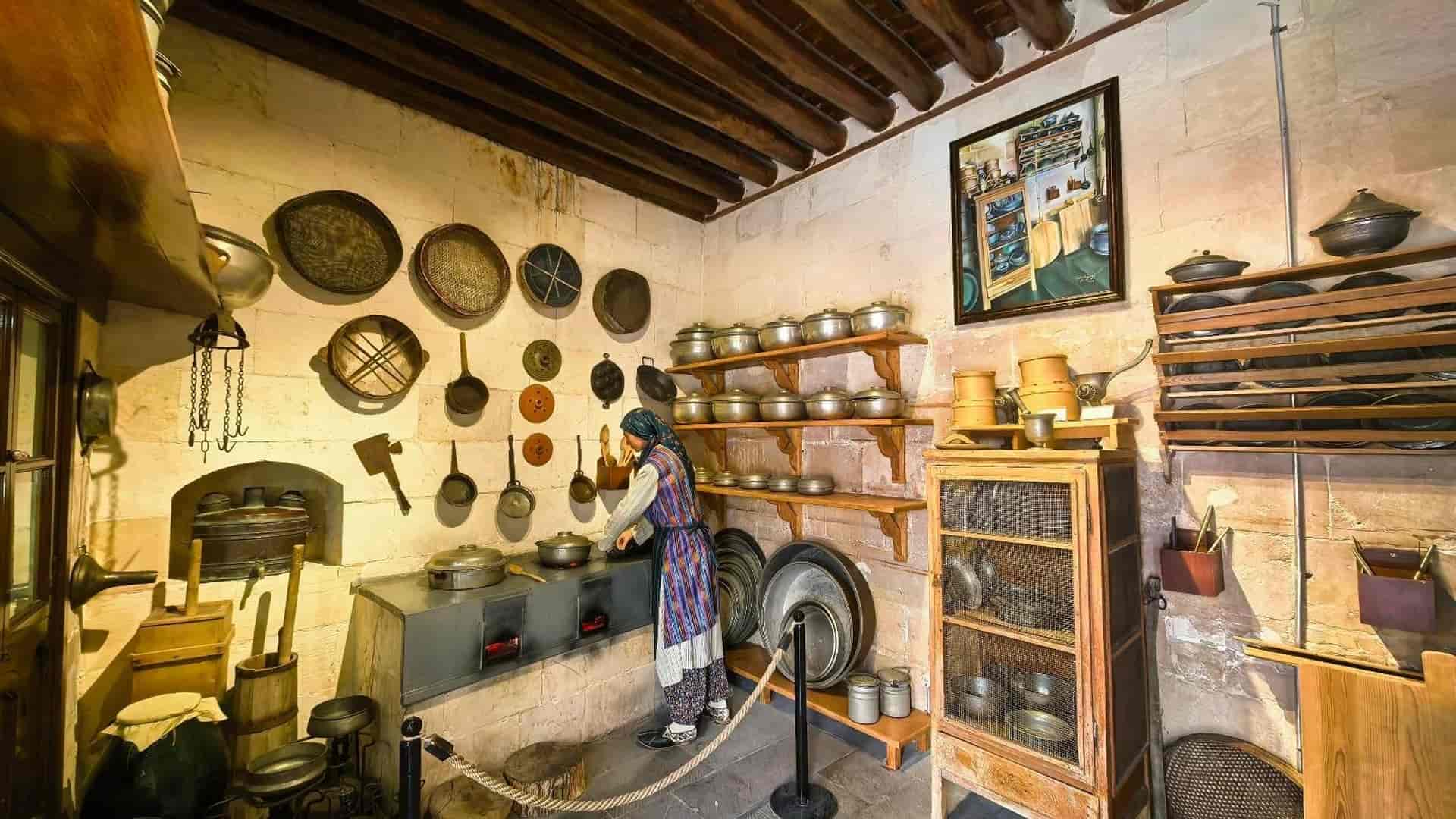
The building, which was restored by Gaziantep Metropolitan Municipality, serves as Kayna Soap and Molasses Museum in order to transfer the production of grapes, soap and molasses from the past to the present. The museum explains the process of making soap and molasses through visual materials, video presentations and interactive information kiosks. It is a museum inspired by the traditional boiling techniques used in the production of soap and molasses.
Gaziantep Archaeological Museum
Gaziantep Archaeological Museum
The museum, founded by Sebahat Göğüş, one of the first female archaeologists of the Republic Period, features 106 display cases starting with Geological Period fossils and rocks, and ending with artifacts from the Paleolithic, Neolithic, Chalcolithic, Bronze Ages, Hittite, Hurrian, Persian, Greek, Roman, Byzantine, Islamic, and Ottoman periods. Additionally, the skeletons of the extinct Maraş Elephant are also exhibited in the museum.
Udma Cheese Museum and Restaurant
Udma Cheese Museum and Restaurant
Gaziantep Metropolitan Municipality Udma Cheese Museum Restaurant; is a complex formation in one of Gaziantep's oldest double baths. The museum is commonly referred to as 'Eski Hamam' or 'Pazarcık Hamamı' and dates back to the 14th century. Within a historical atmosphere, the history of Antep cheese is conveyed to visitors room by room. It hosts visitors with simulation displays of the fermentation elements, containers, and models of Antep cheeses related to the registered Antep Cheese.
Yeni Hanı
Yeni Hanı
The exact construction date of Yeni Han is not known; however, its mention as 'Han-ı Cedid' in records from 1557 indicates that it was built before this date. The structure, which has a single courtyard and two floors, exhibits typical features of Ottoman caravanserai architecture. The ground floor contains storage and stables, while the upper floor has passenger rooms. The most striking part of the han, which is quite plain in terms of decoration, is the entrance door made of black and white stones on the west facade. The building uses cut stone, and the roofing system consists of vaults and flat roofs.
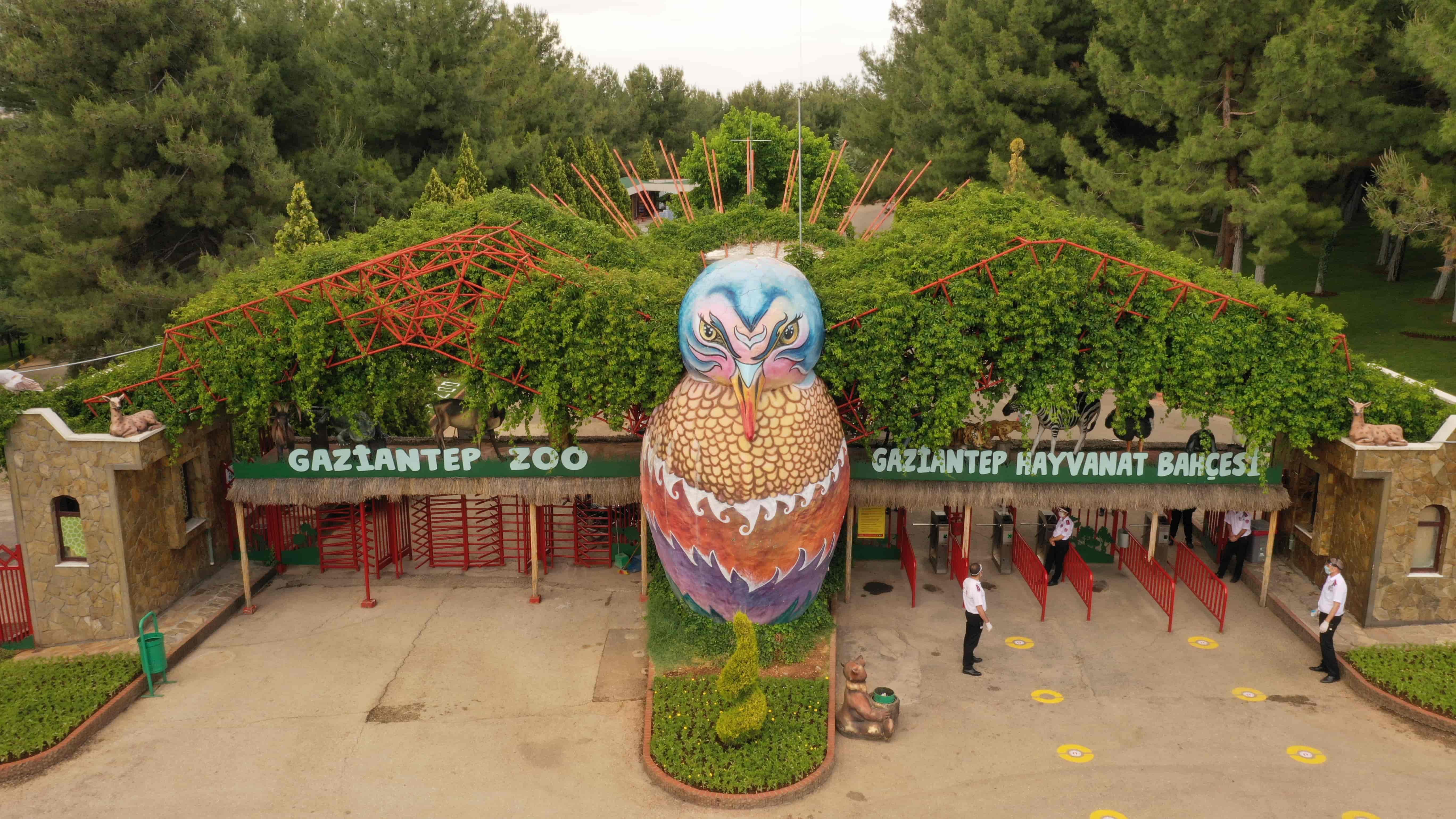
Gaziantep Zoology and Nature Museum
Gaziantep Zoology and Nature Museum
In the museum, which is the first and only one in a zoo in Türkiye, extinct or endangered animals and hundreds of animal species and specimens that have witnessed time from the past to the present are exhibited. The animals on display are those that have completed their physiological lives.
Gaziantep Castle
Gaziantep Castle
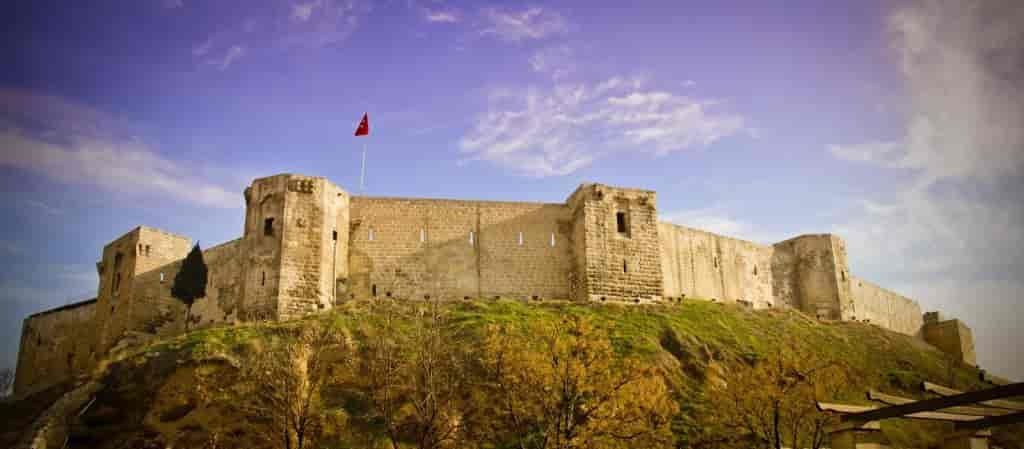
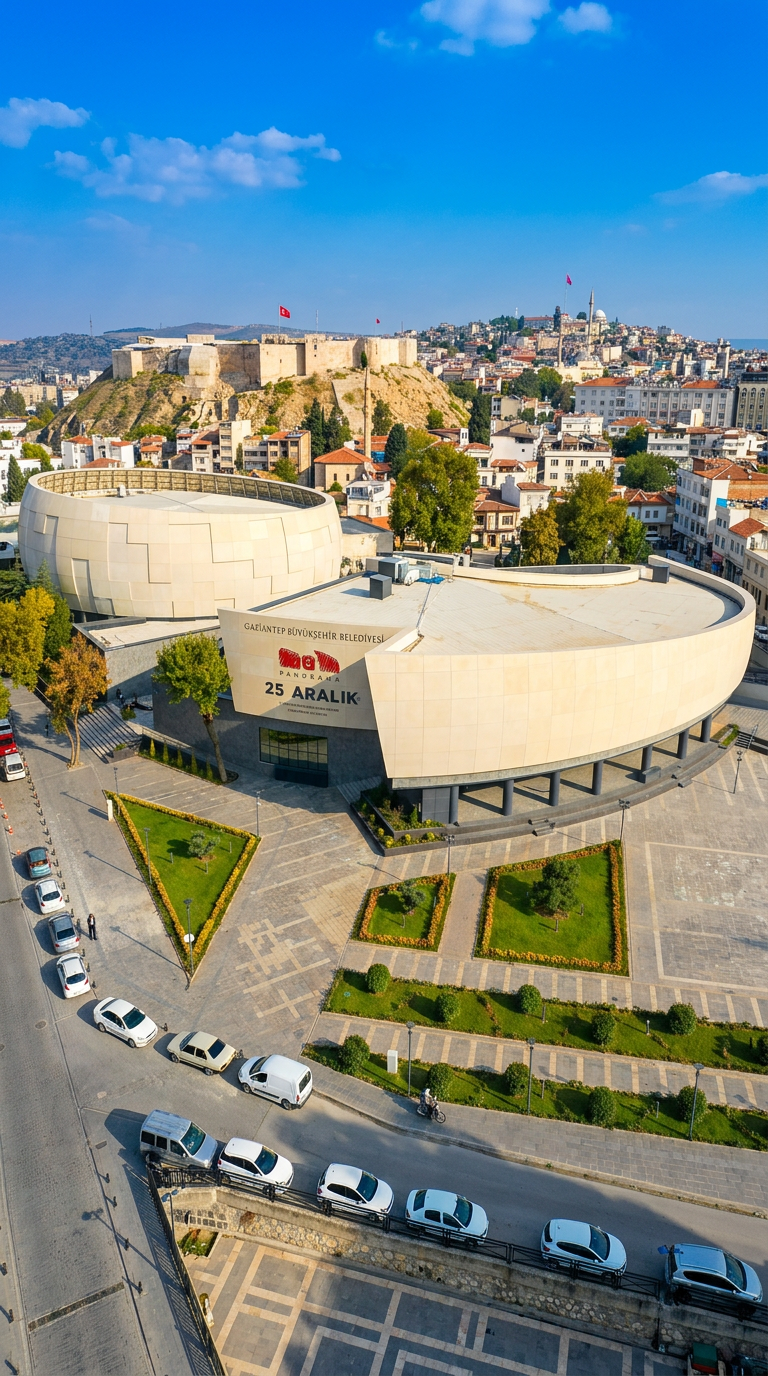
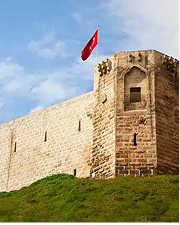
Although it is not known when the castle built on the mound in the centre of Gaziantep was built, it is known that it was used for observation purposes during the Roman period. Gaziantep Castle has been restored many times throughout history and took its final form with a restoration in the early 2000s. ‘Gaziantep Defence and Heroism Panorama Museum’ is located in one of the galleries inside the castle. In addition, the ruins of buildings such as hammams and mosques can be observed at the top of the castle.
Antep Defence Martyrdom and Respect Museum
Antep Defence Martyrdom and Respect Museum
The Martyrs' Monument and Cemetery, built with resources financed by the Gaziantep Municipality and the people of the time to commemorate the martyrs of the Antep Defense, is located at the Çınarlı Front, the most significant position of the Antep Defense. The Martyrs' Monument and Cemetery, representing the sacred martyrs, has been converted into a museum under the name of Antep Defense Martyrs' Cemetery and Respect Museum by the Gaziantep Metropolitan Municipality.
July Democracy Museum
July Democracy Museum
July Democracy Museum is located at the park in Gaziantep station area. All the walls of the museum, which is a reflection of the coup attempt that abnormally disrupted the ordinary flow of life, are handled with an irregular and asymmetrical perspective, and the atmosphere we experienced ‘that day’ is spatially reproduced.
Gaziantep Bey Konağı Boutique Hotel
Gaziantep Bey Konağı Boutique Hotel
Gaziantep Bey Konağı Boutique Hotel is a private accommodation facility located in the historic Bey Neighborhood of Şahinbey district. Housed in a stone mansion reflecting traditional 19th-century Gaziantep architecture, it offers guests an authentic accommodation experience with its courtyard, original rooms, and local breakfast.
Gaziantep Baby Library
Gaziantep Baby Library
Gaziantep Baby Library is a modern library that offers specialized workshops and activity spaces designed to support the cognitive, motor, and social development of babies aged 0–5 and their parents during early childhood.
Gaziantep University Tourism Practice Hotel
Gaziantep University Tourism Practice Hotel
Gaziantep University Tourism Practice Hotel is a modern facility located on the university’s Şahinbey campus, where students of the Faculty of Tourism gain practical professional experience while offering high-quality accommodation, restaurant, and event services to public-sector employees and private guests.
Şahinbey National Mosque and Complex
Şahinbey National Mosque and Complex
Şahinbey National Mosque and Complex is one of the largest mosque complexes in Türkiye, combining Seljuk and Ottoman architectural elements with modern design. With a capacity of 34,000 people, it features a library, classrooms, and various social facilities.
Kamil Ocak National Garden
Kamil Ocak National Garden
It is a modern recreational and lifestyle park in the heart of Gaziantep, offering the city a breath of fresh air with its extensive green spaces, walking paths, social facilities, and digital exhibition areas.
Jale Tekinalp Mosaic Arts Centre
Jale Tekinalp Mosaic Arts Centre
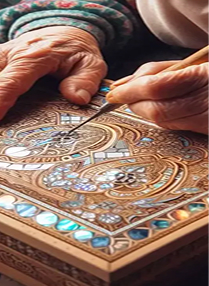
Mosaic workshops are carried out in our centre with professional instructors in order to keep Gaziantep mosaics alive, to carry the Contemporary Mosaic Art forward, and to ensure that it is a branch of art that everyone can reach and learn. The centre, which provides training to trainees in the age of 16 and above, has all kinds of equipment necessary for mosaic art and is the largest and best-equipped mosaic education centre in the city.
Naib Hamamı
Naib Hamamı
Naib Hamamı was built in the early 16th century in the Tabakhane district of Gaziantep. It is part of a complex that includes a lodge, tomb, and mosque. Like other hamams in Gaziantep, it was constructed below street level, allowing for better heating and structural durability. The rectangular building features sections for cold, warm, and hot water. In the center of the hot section, there is an octagonal fountain. Naib Hamamı is particularly noted for its black, white, and red geometric floor decorations.
Gaziantep Teachers’ House and Evening Art School
Gaziantep Teachers’ House and Evening Art School
Gaziantep Teachers’ House and Evening Art School is a public social facility that offers accommodation, dining, social activities, and professional and artistic training opportunities to education professionals, public-sector employees, and private guests.
Korucak (Zerdegüm)
Korucak (Zerdegüm)
The village formerly known as Zerdegüm (Golden Burial) is a village connected to the Nizip district. The cave located here, referred to as 'İsmail's Cave', is situated in a small stream southwest of Zerdegüm. This site has been used as a temple and church in earlier periods. Rock tombs can be seen in the western part.
Şahinbey Congress and Art Center
Şahinbey Congress and Art Center
Click the side panel to open it for more information. It is one of the largest and most modern cultural and arts complexes in the region, hosting national and international conferences, theater performances, concerts, exhibitions, and major events in Gaziantep.
Gaziantep Police House
Gaziantep Police House
Gaziantep Police House is a modern social facility located on a spacious green area in Şehitkamil district, offering accommodation, dining, sports, and event facilities to law enforcement personnel, public-sector employees, and private guests.
Güvenevler Children’s Library
Güvenevler Children’s Library
Güvenevler Children’s Library is a modern library serving children aged 0–12, with the aim of fostering reading habits and supporting their cognitive and social development through technology and art workshops.
Current Events in Gaziantep
SUN
SUN
11
MON
MON
12
TUE
TUE
13
WED
WED
14
THU
THU
15
FRI
FRI
16
SAT
SAT
17
SUN
SUN
18
MON
MON
19
TUE
TUE
20
WED
WED
21
THU
THU
22

October
14
ŞEHİTKAMİL KÜLTÜR VE KONGRE MERKEZİ
Carry Gaziantep in Your Pocket,
Discover What You Wonder
Everything you want to know about our AI-powered features and app usage that will make your Gaziantep trip easier is right here.
Discover Gaziantep with your
pocket smart guide
50,000+
Questions Answered


How do I get to Zeugma Mosaic Museum?
What to do in Gaziantep in one day?
Where to buy Antep pistachios and spices?
What time is Beyran soup served in the morning?
What is the story of Gaziantep Castle?
How do I get to Zeugma Mosaic Museum?
What to do in Gaziantep in one day?
Where to buy Antep pistachios and spices?
What time is Beyran soup served in the morning?
What is the story of Gaziantep Castle?
What is sold at the Coppersmith Bazaar?
What's inside Gaziantep Toy Museum?
Where to eat Katmer?
What events are happening today?
What is sold at the Coppersmith Bazaar?
What's inside Gaziantep Toy Museum?
Where to eat Katmer?
What events are happening today?
Where is Emine Gogus Culinary Museum?
How is Ali Nazik prepared?
Can I visit Zincirli Bedesten?
What is the Mosaic Workshop experience?
What does it mean that Gaziantep is a UNESCO City of Gastronomy?
Where is Emine Gogus Culinary Museum?
How is Ali Nazik prepared?
Can I visit Zincirli Bedesten?
What is the Mosaic Workshop experience?
What does it mean that Gaziantep is a UNESCO City of Gastronomy?
Your Personal Route
Want to Create It?
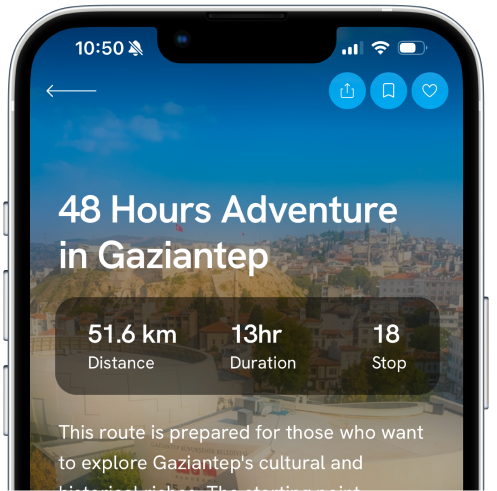
How much time do you have? What are you interested in? AI creates the most efficient route for you in seconds. Save your time.



Your Personal Route
Want to Create It?
How much time do you have? What are you interested in? AI creates the most efficient route for you in seconds. Save your time.






The Smartest Way to
Discover Gaziantep
Create routes with AI-powered city guide, explore gastronomy, and experience Gaziantep in a whole new way. Scan the QR code to download our app from Play Store and App Store.