

EN
✨ Hi, ask me a question!
Assistant
EN
Assistant
May 7, 2026 • 8 min read
Spring in Gaziantep is a period when the weight of winter fades away and the city slowly begins to breathe again. The weather becomes mild, the scent of flowers blends into the streets, and the narrow alleys between stone buildings come back to life. The city feels as if it is awakening once again.
In the mornings, the sun casts a soft light over the historic bazaars. While walking through Bakırcılar Bazaar and its surroundings, the voices of shopkeepers sound more cheerful and the atmosphere becomes livelier. People spend more time outdoors, and although activity increases, the crowd still carries a peaceful rhythm.
Spring also reveals the nature of Gaziantep. Parks, gardens, and open spaces fill with different shades of green, while the city’s historical texture creates a beautiful contrast with this vibrancy. The blend of old stone structures and modern life becomes more noticeable in this season.
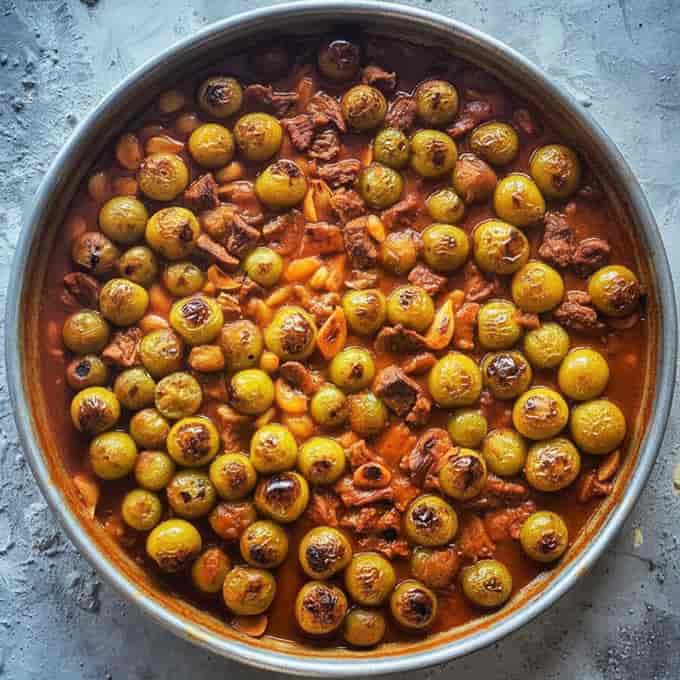
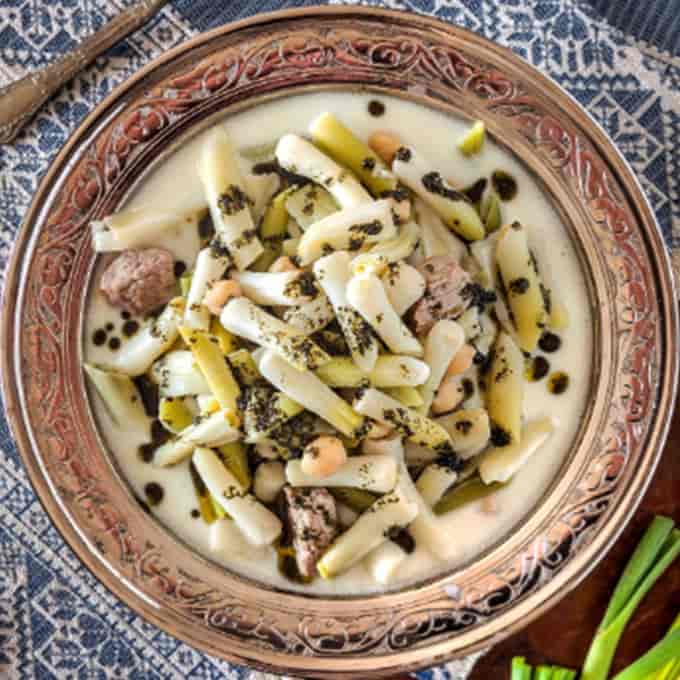
Gaziantep cuisine in spring appears lighter yet still rich in flavor. Dishes made with fresh vegetables, balanced spices, and traditional recipes take their place on the table. As in every season, the city continues to attract with its unique taste.
In the evenings, as the air cools down, the streets come alive again. People take walks, tea gardens and cafés fill up. The mild coolness of spring makes the streets of Gaziantep even more enjoyable.
If you want to see a city in its freshest and most vibrant state, Gaziantep in spring offers exactly that: renewal, movement, and a feeling of life beginning again.
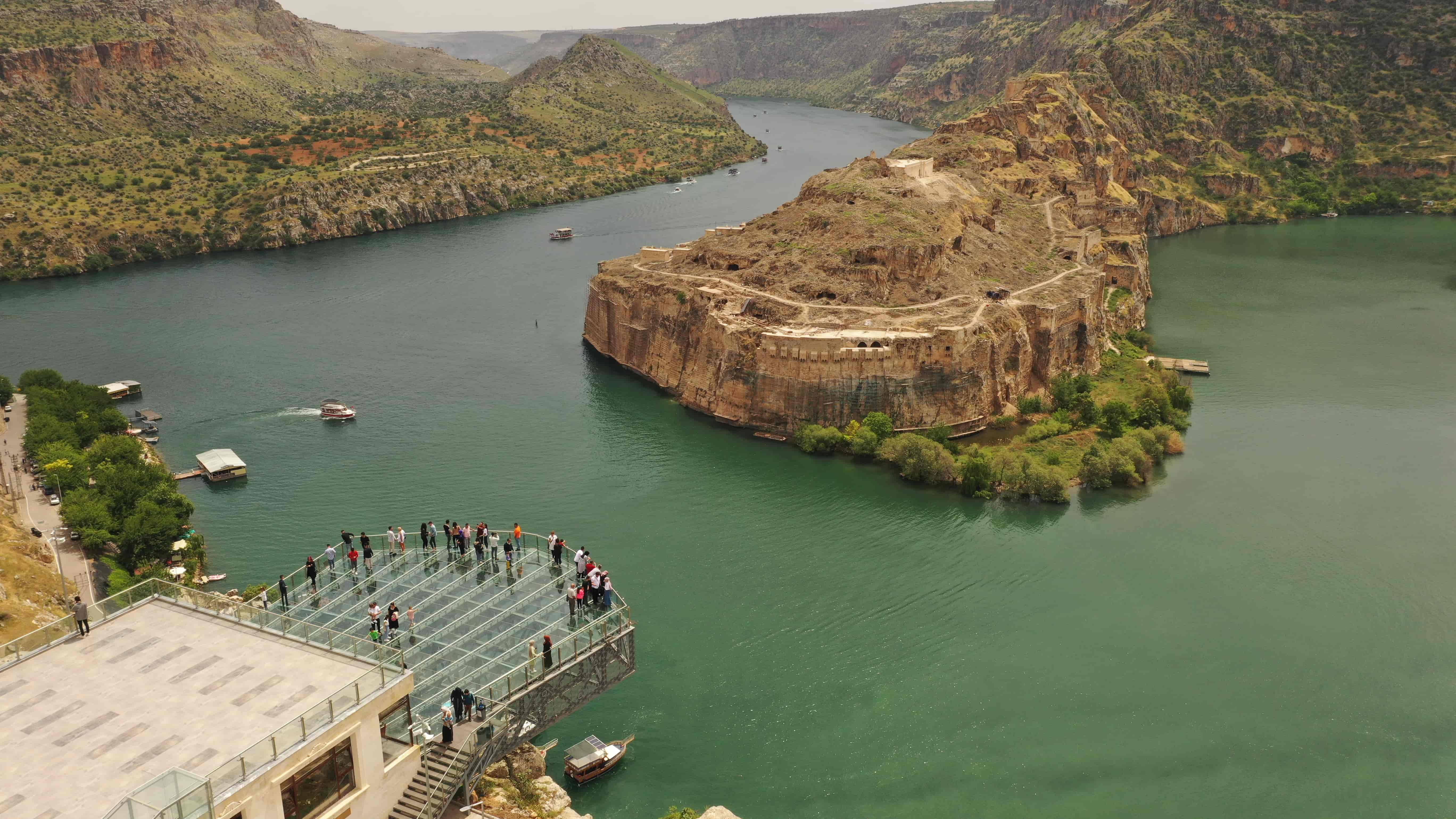
Located within the borders of Yavuzeli District of Gaziantep Province, Rumkale is on steep rocks at the confluence of Merzimen Stream with the Euphrates River.
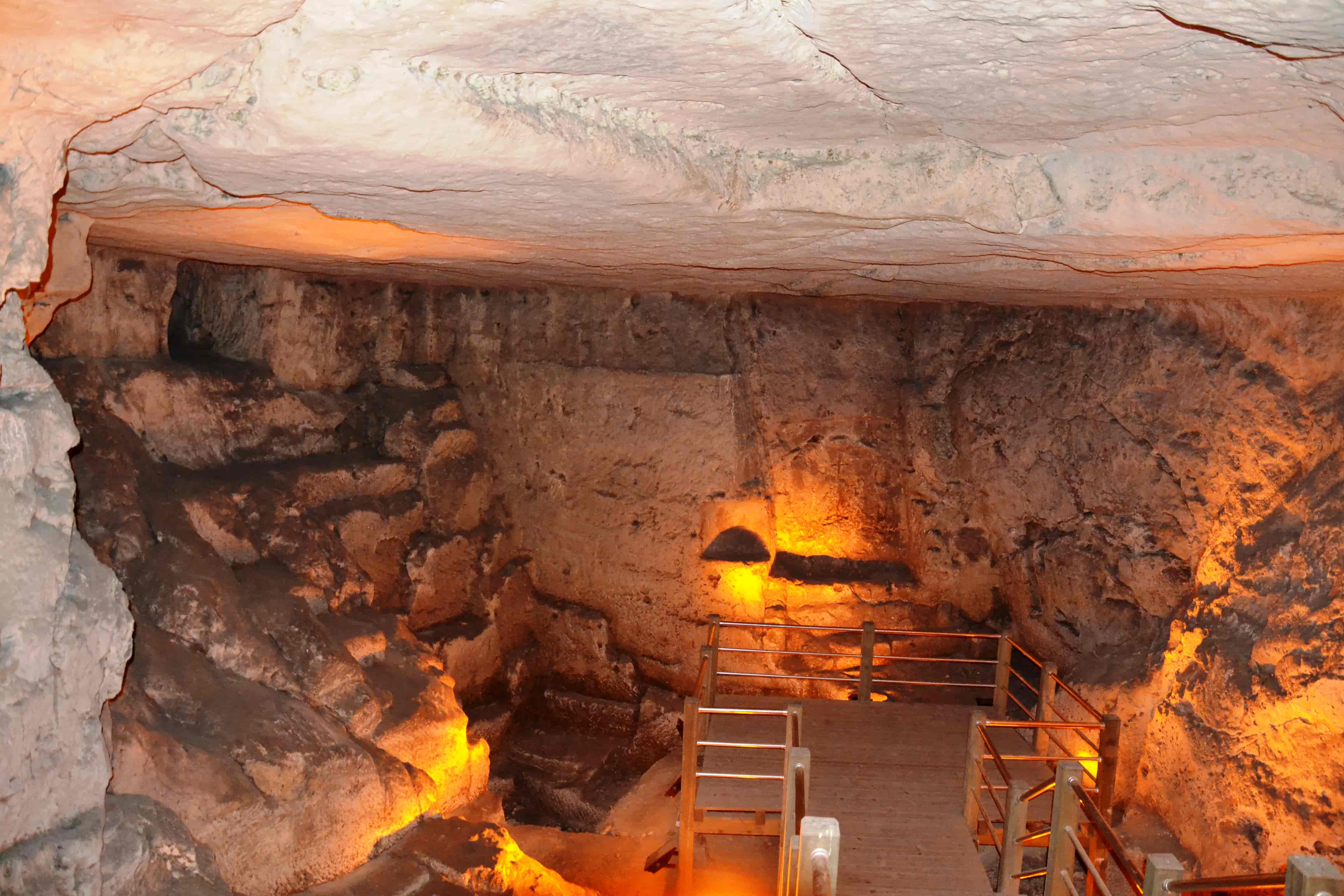
Dülük Ancient City is a very old settlement located in the northwest of Gaziantep, established on important trade routes throughout history; the Paleolithic stone tools found on Keber Hill make it one of the oldest inhabited areas in the world. The city has held great religious significance, especially with the Teşup/Jupiter Dolichenus sacred site and the first Mithras underground temple in Anatolia; it became a center of archbishopric during the Byzantine period and today attracts attention with its rock tombs and temple ruins.
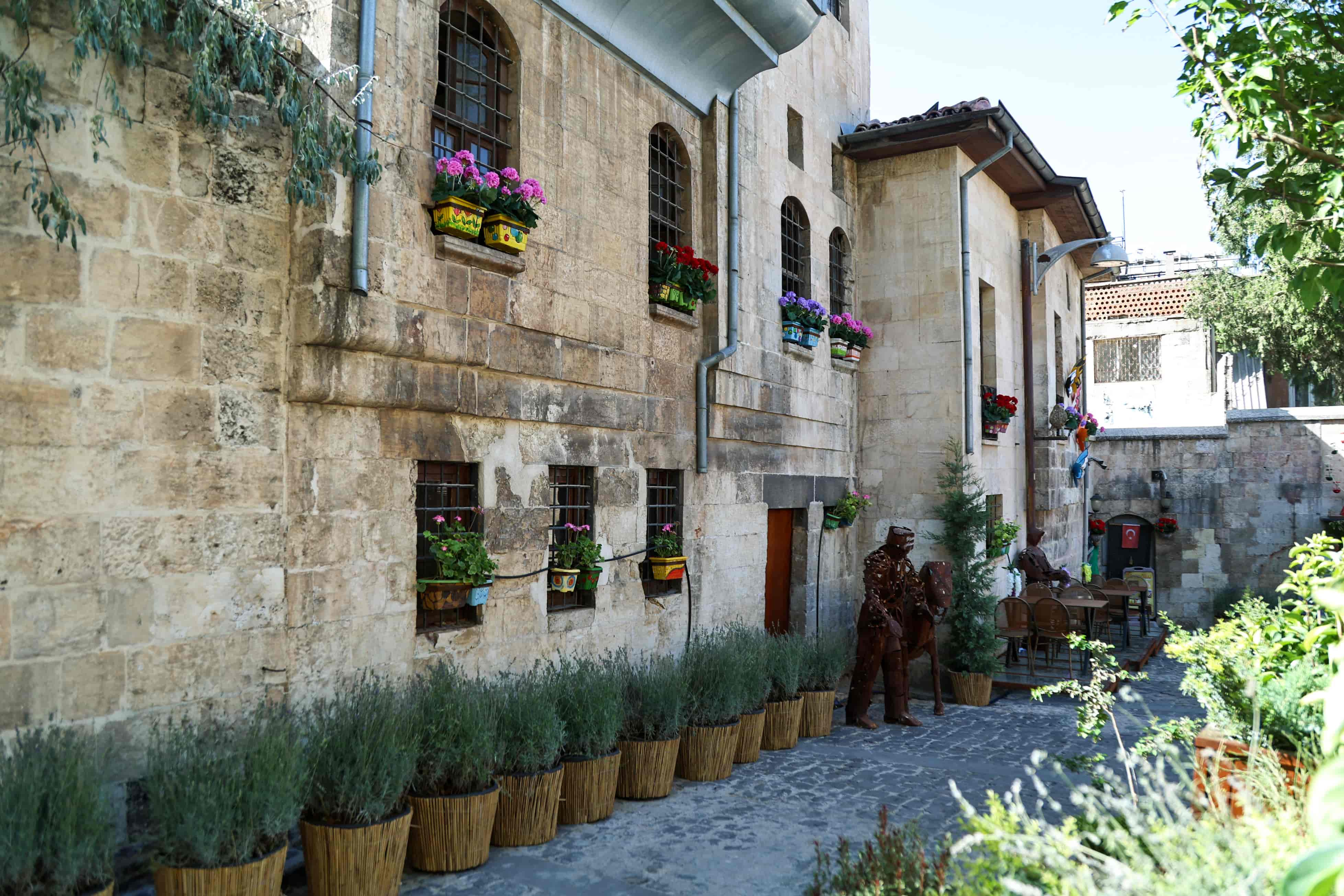
Bey Neighborhood is a neighborhood established in the city center of Gaziantep's Şahinbey district. The neighborhood is often home to historical Antep houses. Most of the historical houses in this neighborhood have been recently restored. Additionally, Mustafa Kemal Atatürk's identity card is registered in Bey Neighborhood.
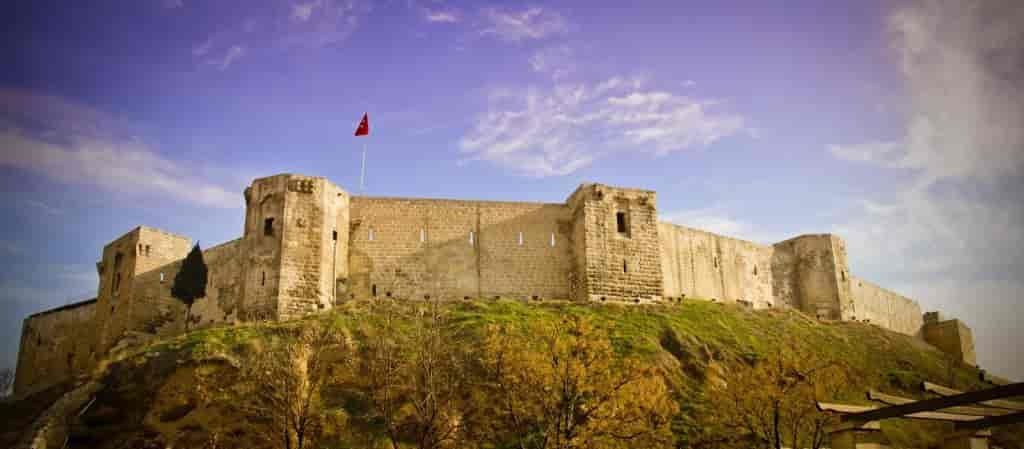
Although it is not known when the castle built on the mound in the centre of Gaziantep was built, it is known that it was used for observation purposes during the Roman period. Gaziantep Castle has been restored many times throughout history and took its final form with a restoration in the early 2000s. ‘Gaziantep Defence and Heroism Panorama Museum’ is located in one of the galleries inside the castle. In addition, the ruins of buildings such as hammams and mosques can be observed at the top of the castle.
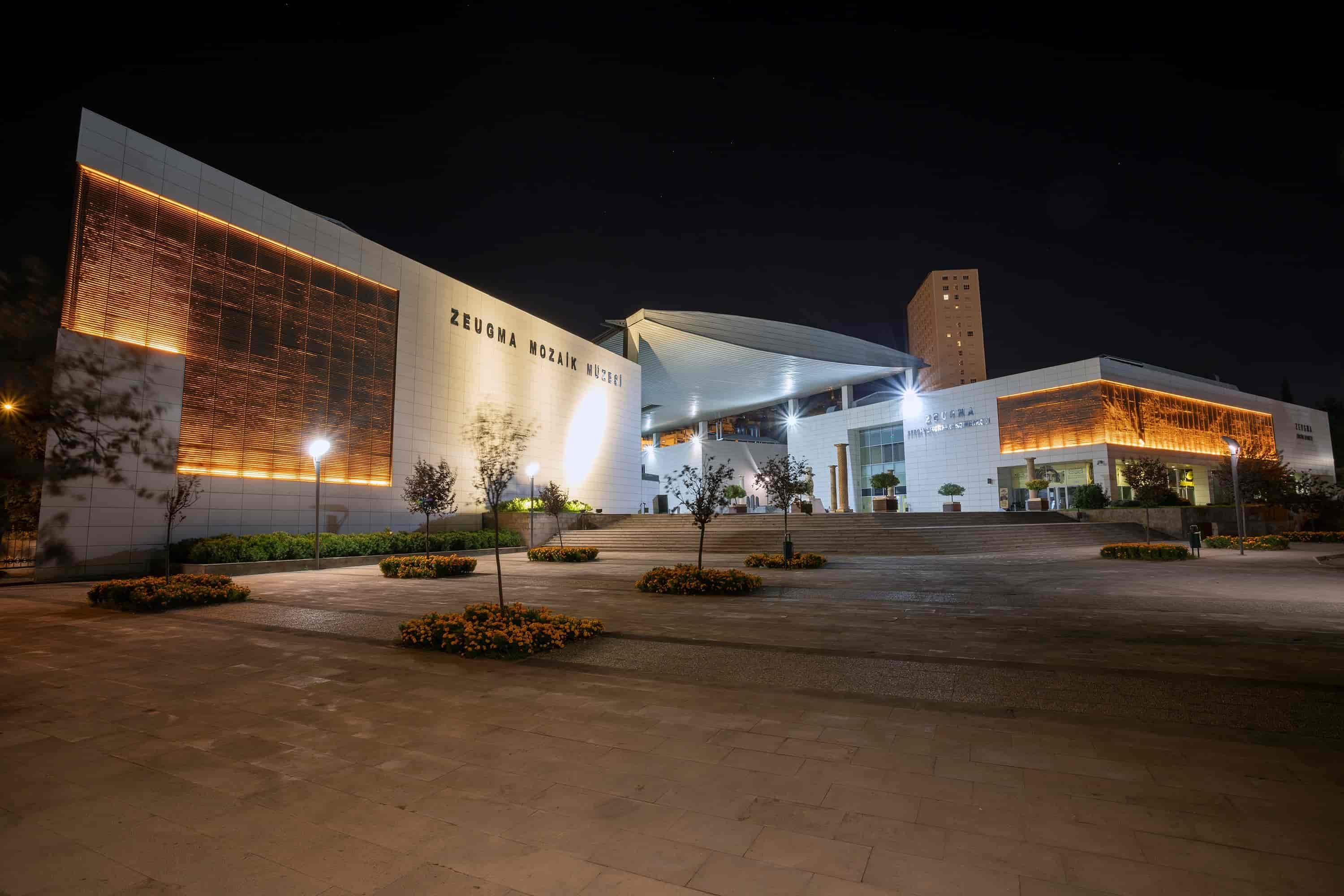
Gaziantep Zeugma Mosaic Museum is the largest mosaic museum in the world in terms of the colour scale of the mosaics exhibited. In the museum, which is one of the important museums in the world with its original exhibition organised according to the modern museology concept, approximately 3000 m² of mosaics, which were excavated from the ancient city of Zeugma located on the banks of the Euphrates River and whose restoration and conservation have been completed so far, are displayed.
As the sun begins to set, a silky coolness settles over the city. Cafés and tea gardens fill with the steam of freshly brewed tea. People flood the streets as if making up for the long winter spent indoors. In Gaziantep, spring whispers to you at every step: life is beginning again here, in these streets and flavors.