

EN
✨ Hi, ask me a question!
Assistant
EN
Assistant
March 16, 2026 • 8 min read
In the heart of Gaziantep, Zeugma Mosaic Museum invites you to the depths of history. With every step, you encounter the fascinating traces of antiquity. The vibrant colors and details of the mosaics seem to whisper stories that date back thousands of years.
Upon entering the museum, the first thing that catches your attention is the dramatic lighting of the Gypsy Girl mosaic. Displayed against a dark background, this piece represents a timeless beauty and mystery. Even with just a glance, it leads visitors into deep contemplation.
These mosaics are not just works of art; they are like historical documents that offer glimpses into the daily life of the Roman Empire. Each stone is a memory carried from the past to the present. Therefore, while spending time in the museum, you feel not just like a spectator but a part of history.
The mosaics extracted from ancient cities form pieces of a rich cultural heritage preserved for thousands of years. These unique remnants of Zeugma showcase Gaziantep's cultural wealth on a global scale.
Gaziantep Zeugma Mosaic Museum is the largest mosaic museum in the world in terms of the colour scale of the mosaics exhibited. In the museum, which is one of the important museums in the world with its original exhibition organised according to the modern museology concept, approximately 3000 m² of mosaics, which were excavated from the ancient city of Zeugma located on the banks of the Euphrates River and whose restoration and conservation have been completed so far, are displayed.
The surroundings of Gaziantep host not only the Zeugma Ancient City but also many other rich historical sites like the Karkamış Ancient City. As you wander through these ancient cities, you can feel the echoes of the past. Every stone, every column tells stories that date back thousands of years.
Karkamış is an ancient city located by the Euphrates River and is one of the significant cities of the Hittite Empire. Everywhere you step here, you encounter deep traces of history. In this city, which carries the marks of many civilizations from the Hittites to the Romans, you experience the magic of the past through the findings uncovered by archaeologists.
Although Zeugma is famous for its mosaics, it is also a settlement that houses remarkable examples of Roman period architecture. While wandering the streets of the city, it is possible to find clues about the social life of that era. As you stroll among these structures, you almost relive the events you read about in history books.
These ancient cities are among the most important parts of Gaziantep's rich historical fabric. Each tells a different story and opens a unique window to the past for its visitors.
"Each mosaic piece is a silent storyteller that carries the traces of the past to the present."
To complete a day filled with history and culture, you can try Gaziantep Küşleme Kebabı. As you stroll through the streets of the city, the aroma of kebab smoke, the unique scent of spices and wood fire will enchant you. Shaped by long traditions, this kebab is made from the most delicious parts of lamb. Chefs carefully marinate the meat, and the sound of sizzling meat on the skewer whets your appetite. The kebab pairs perfectly with the spicy ezme and pide served alongside.
Don't forget to try Baklava for a sweet delight after your meal. Gaziantep's famous baklavas offer an experience where you can feel the unique aroma of pistachios hidden between the thin layers of dough in every bite. With its dazzling golden color and lightly syrupy texture, each bite creates a sweet explosion of happiness. The sweet masters in the city have been skillfully preparing this flavor for years, preserving their traditions.
The Gaziantep cuisine stands out not only with its kebabs and desserts but also with its diversity, featuring dishes like Antep Ezme Salata and Gaziantep Sebzeli Peynirli Böreği. The Antep ezme, made with fresh vegetables, mint, and spices, delights the palate with its bursting flavors. Additionally, the crispy pastries filled with warm cheese offer a perfect snack option. Every dish has its own unique story, and these stories are intertwined with the city; undoubtedly, you are embarking on a journey through Gaziantep's history and culture with every plate.
When dining in Gaziantep, you not only savor flavors that appeal to your taste buds but also experience the past and culture. Every bite shared among the warm conversations of the locals is a heritage that has passed through the sieve of centuries to reach today. During your gastronomic journey, you will not only delve into the depths of its rich history but also see how its cuisine has evolved. Cooking in Gaziantep is an art; here, meals are prepared not just to satisfy hunger but also to bring people together. For this reason, Gaziantep cuisine is not just a taste but also a beautiful example of sharing.
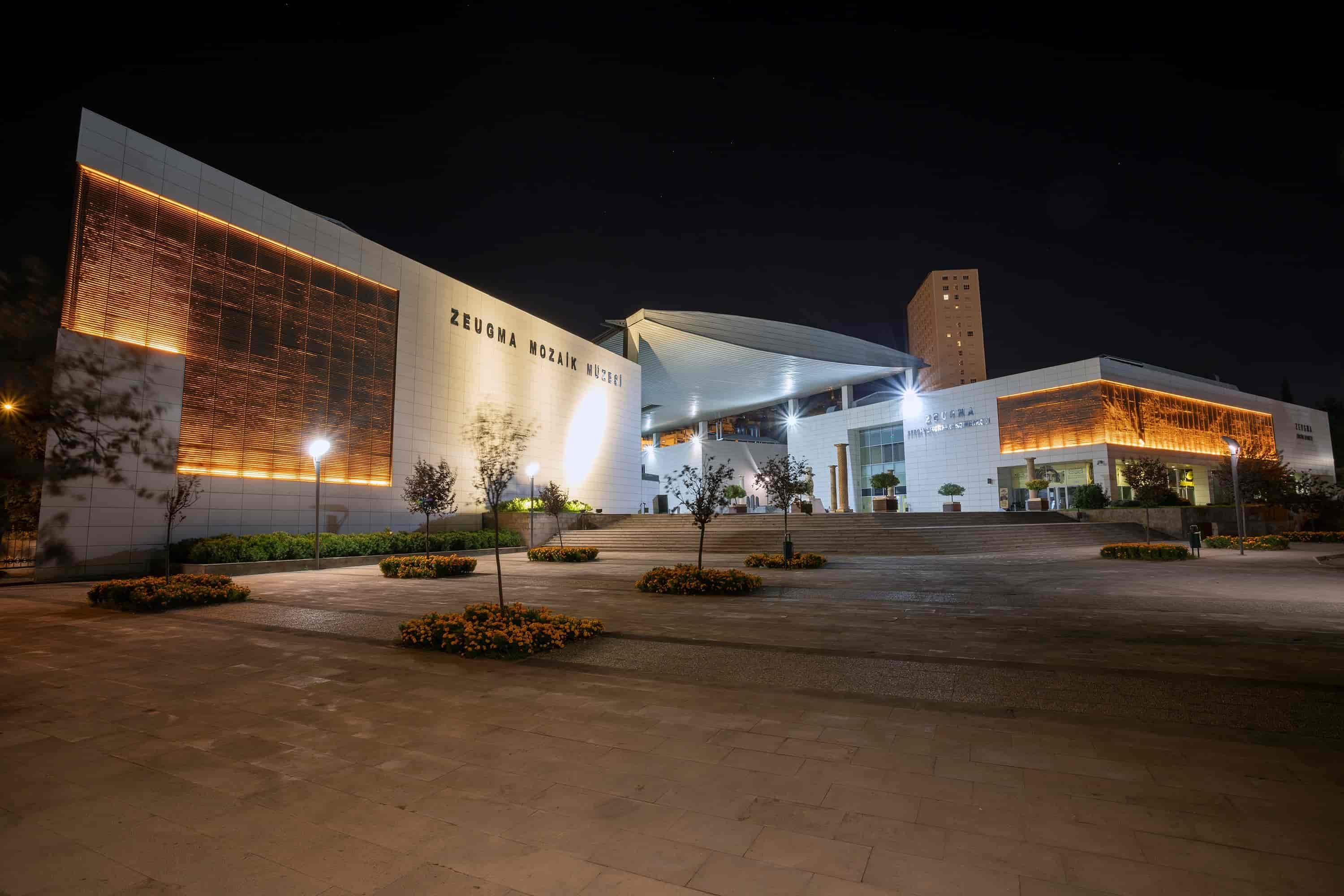
Gaziantep Zeugma Mosaic Museum is the largest mosaic museum in the world in terms of the colour scale of the mosaics exhibited. In the museum, which is one of the important museums in the world with its original exhibition organised according to the modern museology concept, approximately 3000 m² of mosaics, which were excavated from the ancient city of Zeugma located on the banks of the Euphrates River and whose restoration and conservation have been completed so far, are displayed.
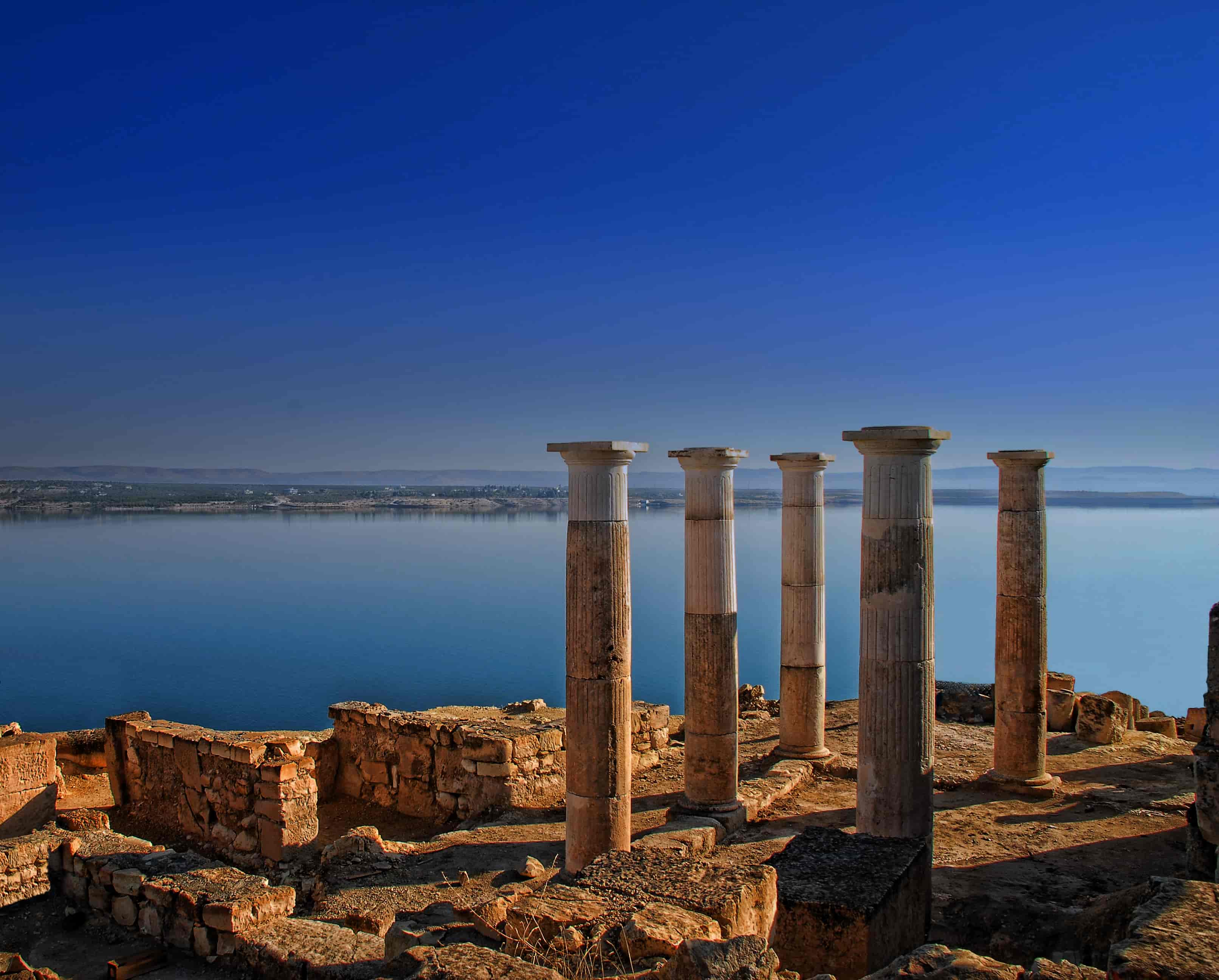
Zeugma is an important military and commercial center established at a strategic crossing point on the Euphrates River. Founded during the Hellenistic Period by Seleucid King I. Seleucus Nikator, it takes its name from the word 'Zeugma,' meaning 'crossing.' The city became a significant military base on the eastern frontier during the Roman period and experienced its wealthiest period particularly in the 2nd century A.D. It suffered great destruction due to the attack of Sasanian King I. Shapur in A.D. 253. Excavations between 1993 and 2003 uncovered numerous villas and famous floor mosaics. These mosaics, depicting mythological and daily life scenes, have made Zeugma an important center in terms of world cultural heritage. A portion of the ancient city was submerged under the waters of the Birecik Dam in 2000. Excavations are still ongoing.
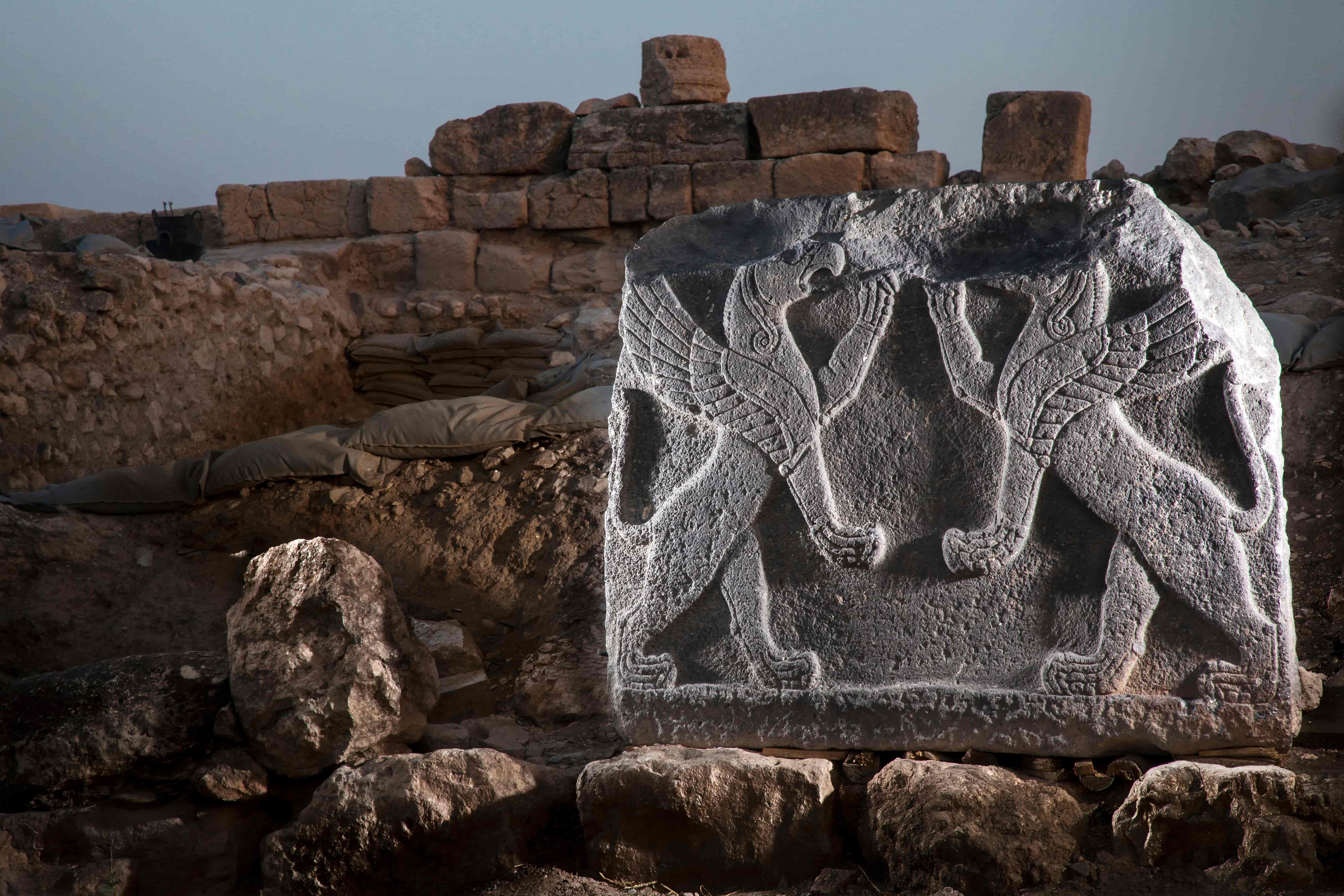
Karkamış Ancient City is an important ancient settlement located near Gaziantep, on the west bank of the Euphrates River and on the Turkey-Syria border. It holds a strategic position between Anatolia, Syria, and Mesopotamia. It served as the capital of the Karkamış Kingdom, one of the most powerful kingdoms of the Late Hittite Period. The reliefs uncovered during excavations reflect the culture of the 1st millennium BC and most of them are exhibited in the Museum of Anatolian Civilizations.
In your journey through Gaziantep, local handicrafts hold an important place alongside history and flavors. When you take a stroll in the Copper Bazaar, you can see the elegance of copper items shaped by the hands of artisans. With every strike of the hammer, a new work of art is created here.
In addition, the city's traditional carpet weaving is quite remarkable. Each carpet is woven with a deep-rooted tradition and fine craftsmanship. The sounds echoing from the looms at all hours of the day blend with the motifs that have passed through the sieve of time.
You can observe effort and dedication in every field, from the harvesting of pistachios to carpet weaving. Gaziantep artisans reflect the spirit of the city in each of their products; every stitch and every pattern tells a story from the past.
Whether you have an interest in handicrafts or not, seeing the works of these artisans in Gaziantep will definitely be inspiring. The cultural richness of the city is not limited to historical textures; it also emerges as a living tradition.