



EN
✨ Hi, ask me a question!
Assistant
EN
Assistant
4.1 km
Distance
240 dk
Duration
5
Stops
We start the day in the early morning under the golden rays of the rising sun at Gaziantep Kalesi. This castle is among the rare structures that have survived from the Roman period to the present day and proudly rises at the highest point of the city. As you place your hand on the stone walls of the castle, it is inevitable to feel the weight of thousands of years of history at your fingertips. You will hear the stories whispered by every stone, every carving, the caravans that passed through here, and the wars fought, experiencing a deep historical journey. The Defense and Heroism Panoramic Museum inside the inner castle immerses you in the epic story of the defense of Antep, allowing you to witness its significance in the national struggle.
Next, we turn our path to Gaziantep Hamam Müzesi. While wandering through the narrow, cobbled streets of old Antep, you can hear history whispering at every corner. The Bath Museum showcases the architecture and culture of a classic bath from the Ottoman period. This place takes visitors back to days filled with the sounds of warm steam and basins. You will discover the elegant bath culture of the Ottoman era and lose yourself in this historical atmosphere.
For lunch, we stop at Antep Beyranı to reach the pinnacle of local flavors. This delicately prepared soup of Gaziantep cuisine is made with lamb and rice, enriched with local spices. This warm starter helps you continue the day energetically, leaving an unforgettable taste on your palate. The steamy aroma and rich flavor of Beyran will impress you with every spoonful.
In the afternoon, we set out to explore Zeugma Mozaik Müzesi. This museum is known as one of the largest mosaic museums in the world, taking visitors on a journey into the art and rich history of the ancient world with its displayed mosaics. The color spectrum and details of the mosaics present the lifestyle of the ancient period like a painting. These works, filled with the stories of gods and heroes wandering among olive groves and vineyards, ignite the imagination of the visitors.
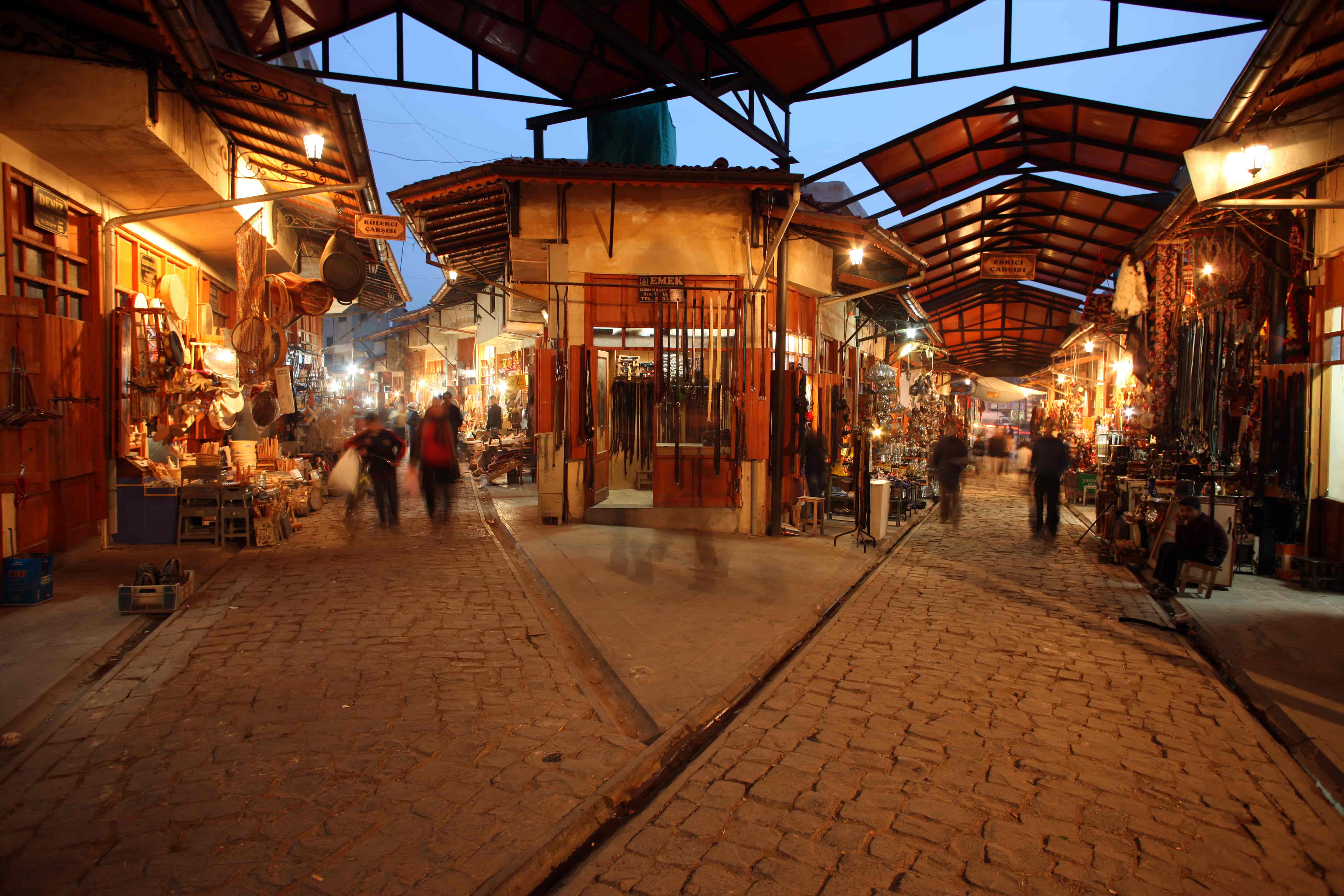
On our second day, we start the day at Bakırcılar Çarşısı to discover Gaziantep's unique flavors. Here, you will see the products brought to life by the skillful hands of copper craftsmen and be enchanted by the magic of handicrafts. The intricate craftsmanship on copper coffee pots, trays, and other objects is almost a work of art. While wandering in the bazaar, you will follow the traces of the past and witness history amidst the sounds of the craftsmen's hammers.
We then head towards Kumandan Çeşmesi. This fountain, built in memory of Commander İlmi Bey, who fell as a martyr in World War I, is one of the symbols of Gaziantep. You can stop by the fountain for a moment of respect for a historical moment and visualize the city's struggles in the past. While the taste of the cold water from the fountain lingers in your mouth, you will deeply feel the traces of history.
During lunchtime, you can experience Gaziantep Küşleme Kebabı. This kebab is one of the most special flavors of Antep cuisine, made from the most delicious part of lamb, leaving an unforgettable taste in your mouth. The melting texture of the meat and the balanced harmony of spices make the kebab almost legendary.
At the end of the day, we visit Kavaklık Kasrı. While taking a peaceful walk in the shade of the poplar trees, you will feel the historical texture of this place. As you wander among memories from centuries ago, the reddish light of the sunset will illuminate the mansion, providing the final touch that makes the trip unforgettable. Here, it is inevitable to find peace while shaking off the fatigue of the day.
1. Day
2. Day
1. Day
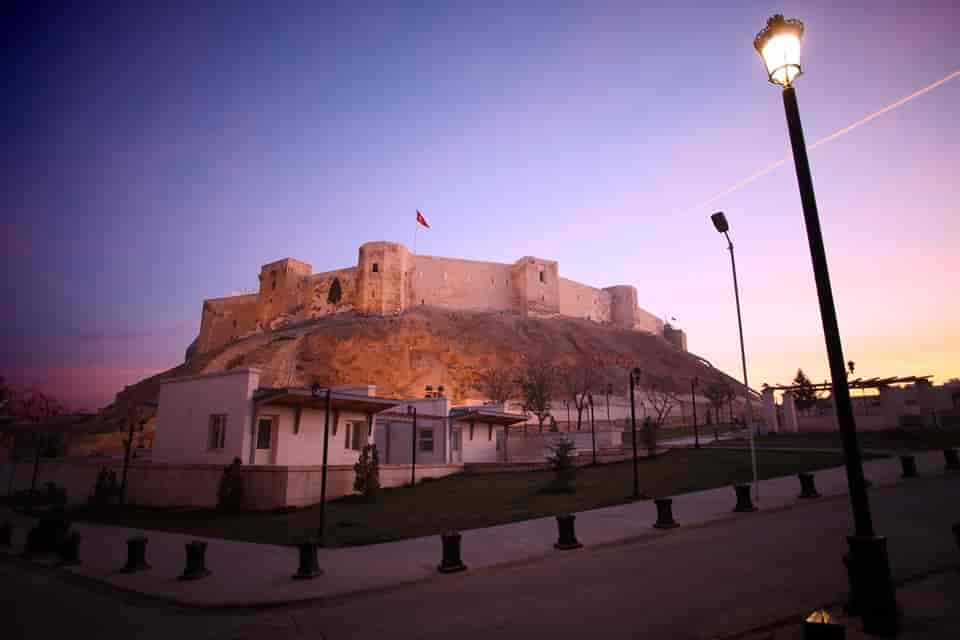
Although it is not known when the castle built on the mound in the centre of Gaziantep was built, it is known that it was used for observation purposes during the Roman period. Gaziantep Castle has been restored many times throughout history and took its final form with a restoration in the early 2000s. ‘Gaziantep Defence and Heroism Panorama Museum’ is located in one of the galleries inside the castle. In addition, the ruins of buildings such as hammams and mosques can be observed at the top of the castle.
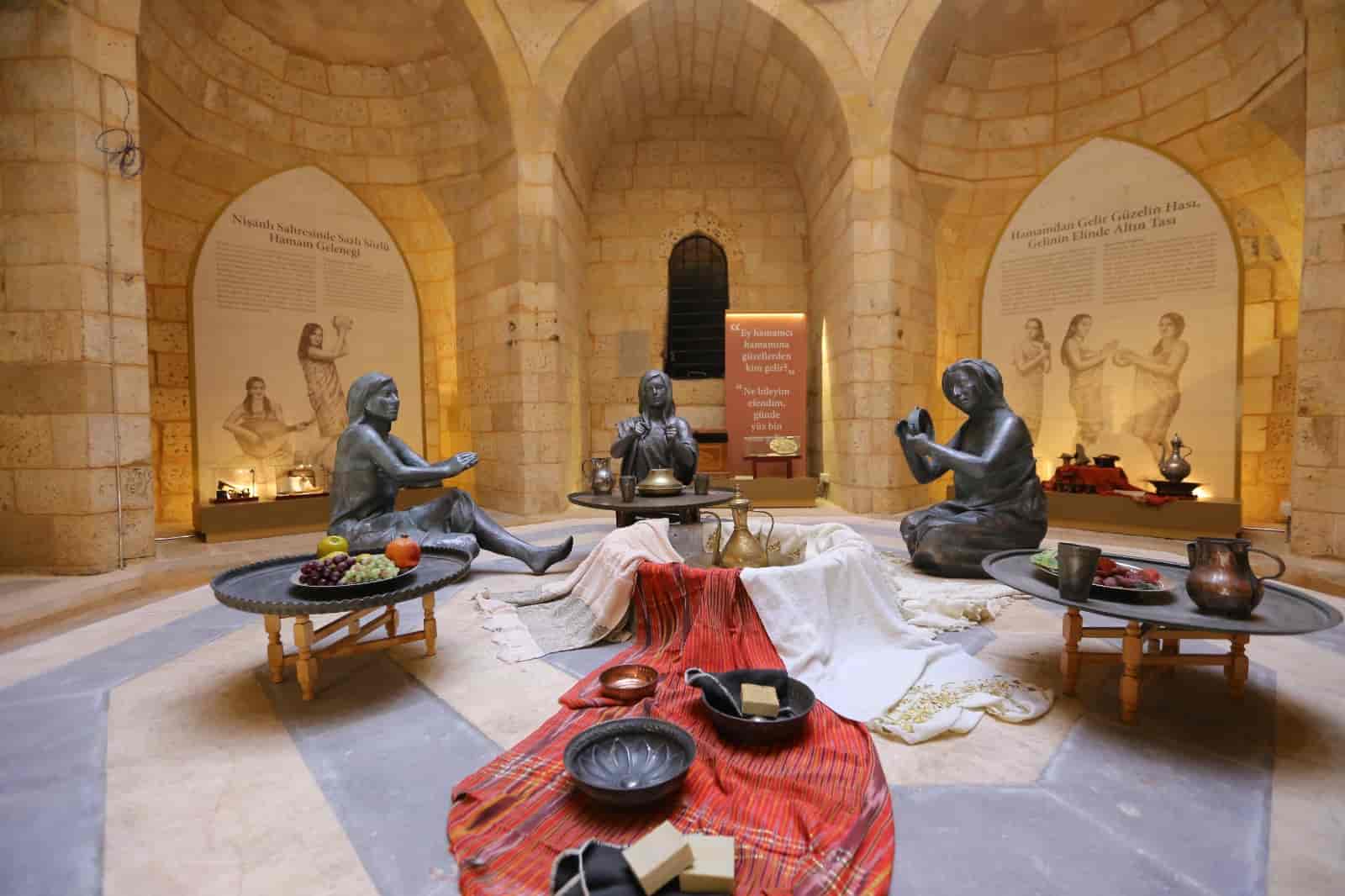
The structure reflecting the example of Ottoman bath architecture and culture is part of the complex built by Lala Mustafa Paşa. It dates back to 1577 and served for many years as 'PAŞA HAMAMI'. In 2015, the bath was transformed into a museum showcasing Gaziantep's bath culture, featuring sections of the bath, tools used, as well as wax sculptures and models illustrating bath rituals.
2. Day
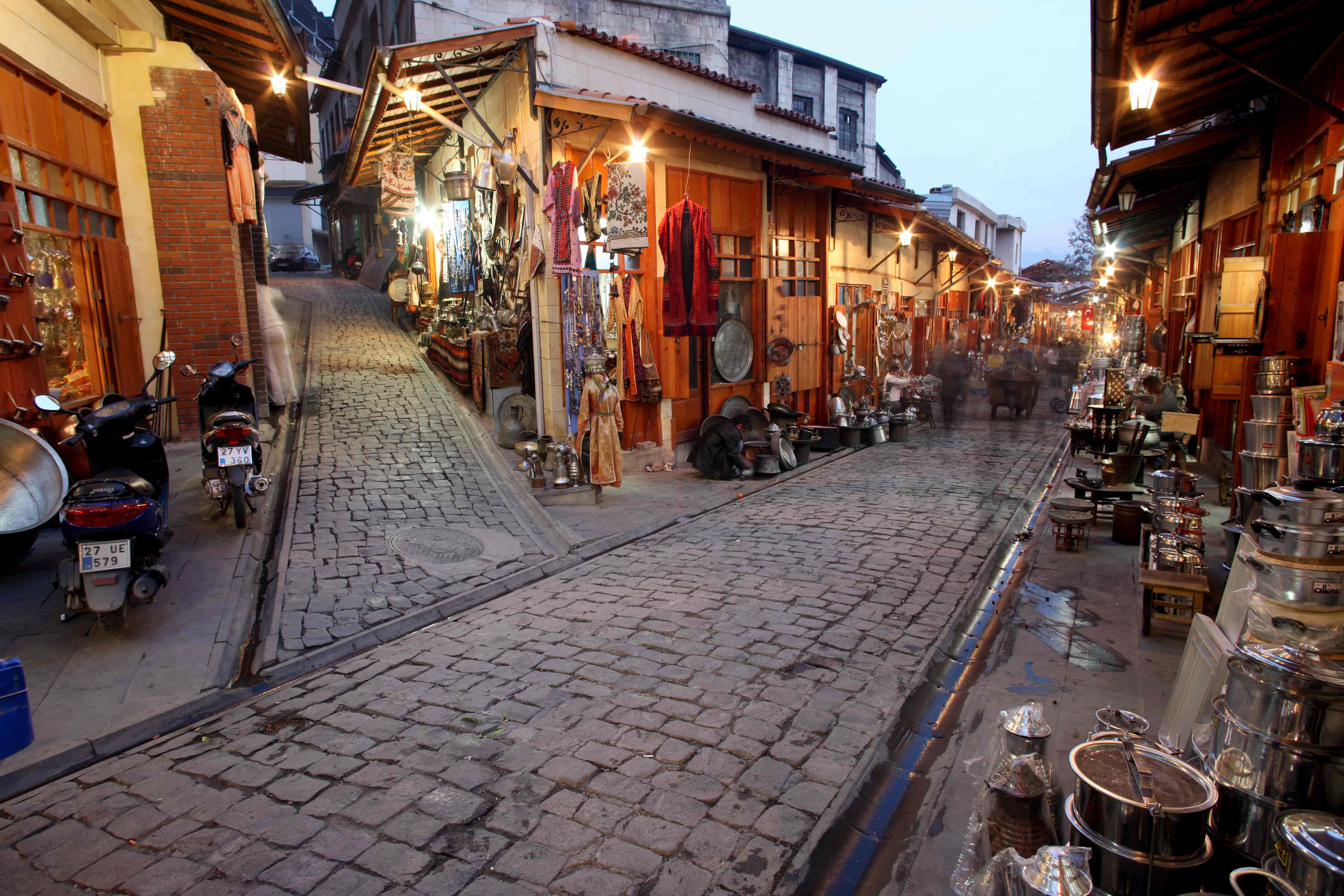
Generally referred to as the Copper Bazaar, it is a complex of bazaars where many artisans produce their crafts. Although the exact construction date of the shops located in the Copper Bazaar is not known, it is believed to have been built in the 16th century. The bazaar consists of single-story shops and is located within the caravanserai district. The art of copperworking, which gives the bazaar its name, continues to thrive intensely today.
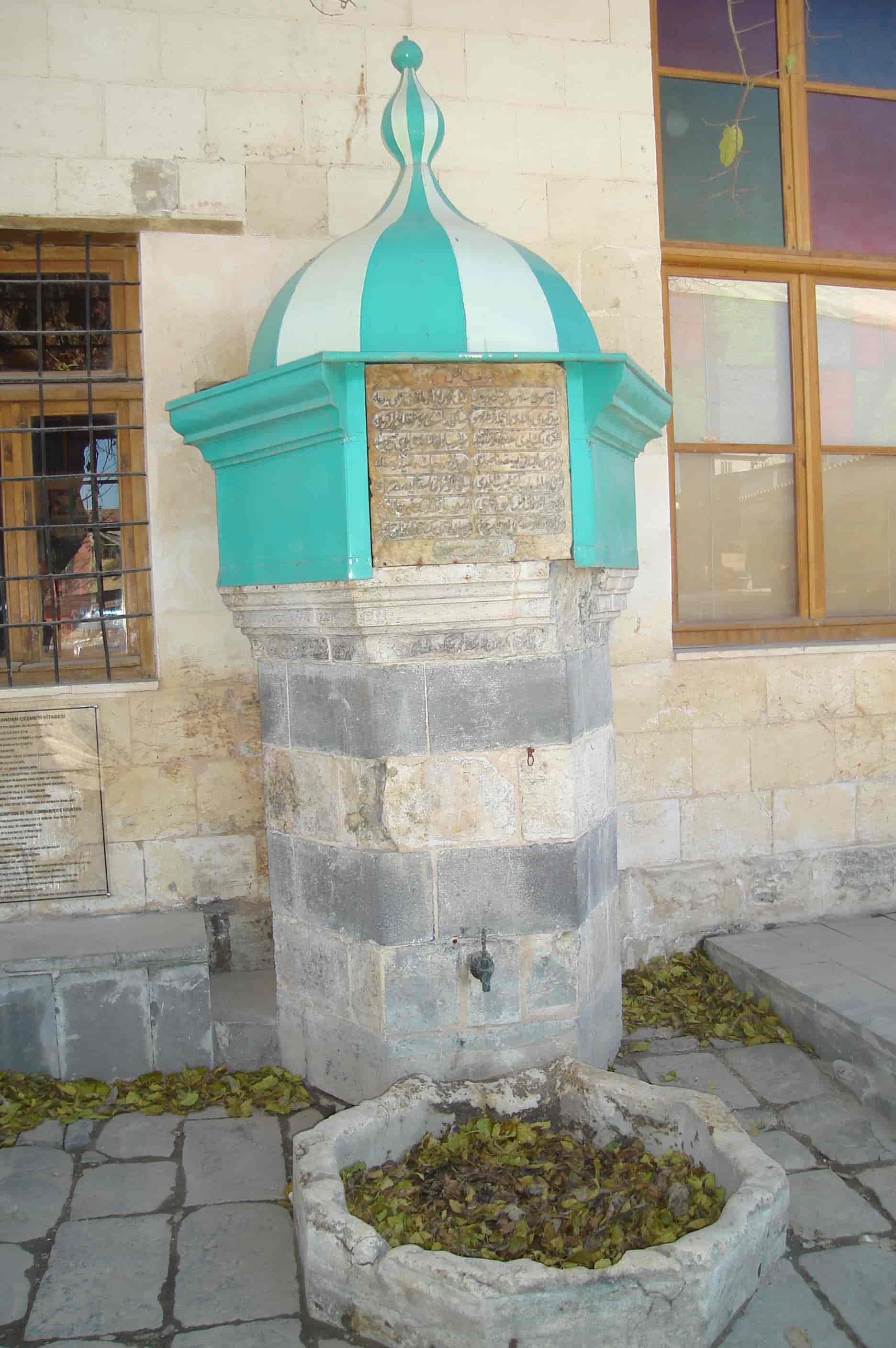
The Commander Fountain, one of the symbols of Gaziantep, is one of the 150-year-old fountains built in 1915 by Sancak Beyi Şükrü Bey in memory of Commander İlmi Bey, who fell as a martyr on the Caucasus Front during World War I. This rare artifact from the Ottoman period has survived to this day.
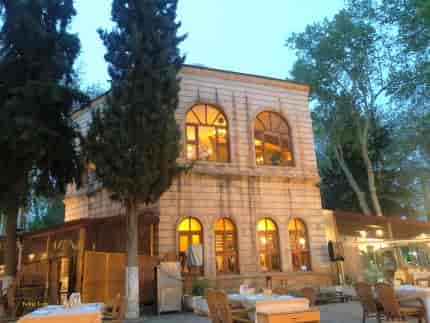
Kavaklık Kasrı, serving the people of Gaziantep for a century and becoming a symbol of Kavaklık, is located on a 16-acre land that was purchased from Hacı Hanefizade Mustafa Efendi for 100 kuruş during the Ottoman period in the 1700s and designated as a recreational area. It is said that the place was named Kavaklık due to the numerous poplar trees that were originally found in the area. The facility, used for military purposes by the French during the Defense of Antep, served as a tea garden, restaurant, and casino after the proclamation of the Republic.