

EN
✨ Hi, ask me a question!
Assistant
EN
Assistant
1.6 km
Distance
255 dk
Duration
5
Stops
We start the day with Jale Tekinalp Mozaik Sanatları Merkezi. This center is one of the rare places that brings ancient mosaic art to the present. Here, you can learn about Roman period mosaic techniques and see the bold interpretations of contemporary artists. Watching the skillful assembly of thousands of small stone pieces in the workshop section is witnessing the perfect fusion of patience and art. If you wish, you can participate in a workshop to create your own small mosaic.
Next, we walk to Kahraman Emmioğlu Kültür ve Sanat Merkezi. This center hosts modern art exhibitions, photography displays, and works by local artists. In this place where Antep's traditional texture meets contemporary art, you have the chance to encounter a different exhibition with each visit. During the break, you should try the elegant combination of Gaziantep Şöbiyeti's hand-rolled yufka and clotted cream.
Ali İhsan Göğüş Müzesi ve Gaziantep Araştırmaları Merkezi is a special museum that examines Gaziantep's cultural identity in academic depth. This place, which offers a rich archive of the city's history, folklore, and traditions, is invaluable for researchers and enthusiasts. Old photographs, maps, and manuscripts bring to light the forgotten faces of Antep.
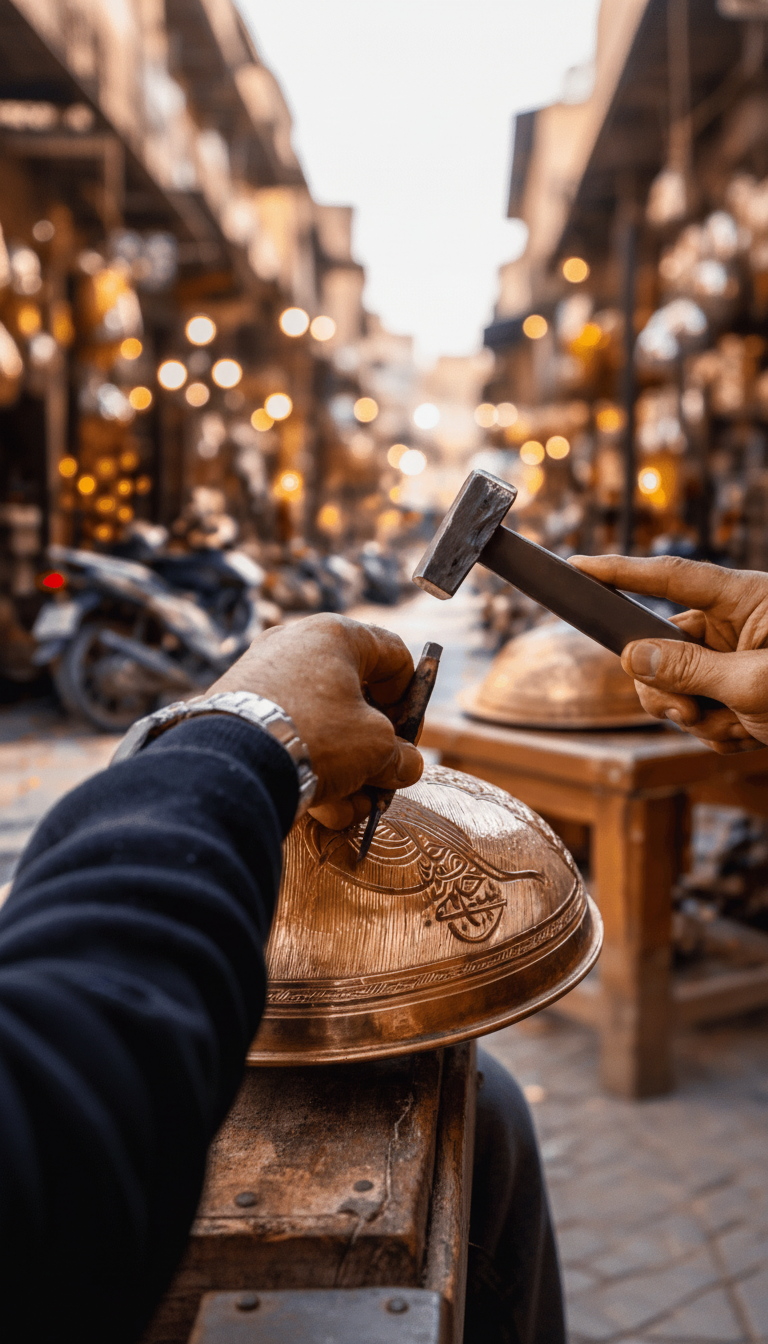
Our next stop is Bakırcılar Çarşısı. This bazaar, active since the Ottoman period, is an open-air workshop echoing with the sounds of copper craftsmen's hammers. The fine craftsmanship of copper coffee pots, bath basins, and ornaments is one of the last bastions resisting the mechanization of handicrafts. Watching how the masters shape copper is a mesmerizing experience. Here, the taste of Gaziantep Arap Köftesi's pomegranate molasses and the bulgur meatballs kneaded with spices will explode in your mouth.
Our final stop is once again Gaziantep Mevlevihanesi Vakıf Müzesi. Ending a day full of art in the spiritual world of Mevlevi dervishes will be a touching experience for your soul. While learning the symbolic meanings of the Sema ceremony, you can evaluate the artistic impressions of the day accompanied by the creamy texture of Gaziantep Menengiç Kahvesi.
1. Day
1. Day
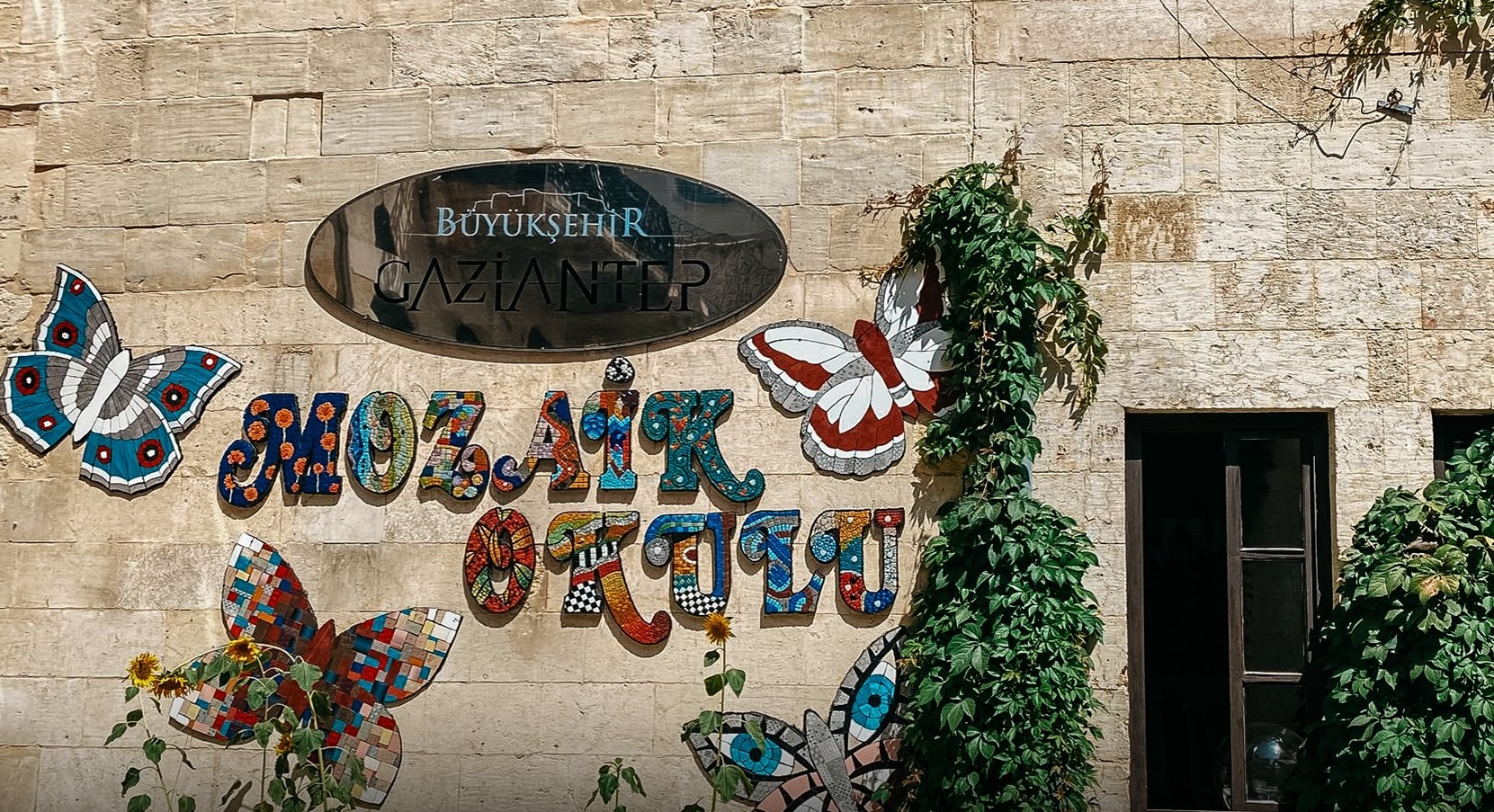
Mosaic workshops are carried out in our centre with professional instructors in order to keep Gaziantep mosaics alive, to carry the Contemporary Mosaic Art forward, and to ensure that it is a branch of art that everyone can reach and learn. The centre, which provides training to trainees in the age of 16 and above, has all kinds of equipment necessary for mosaic art and is the largest and best-equipped mosaic education centre in the city.
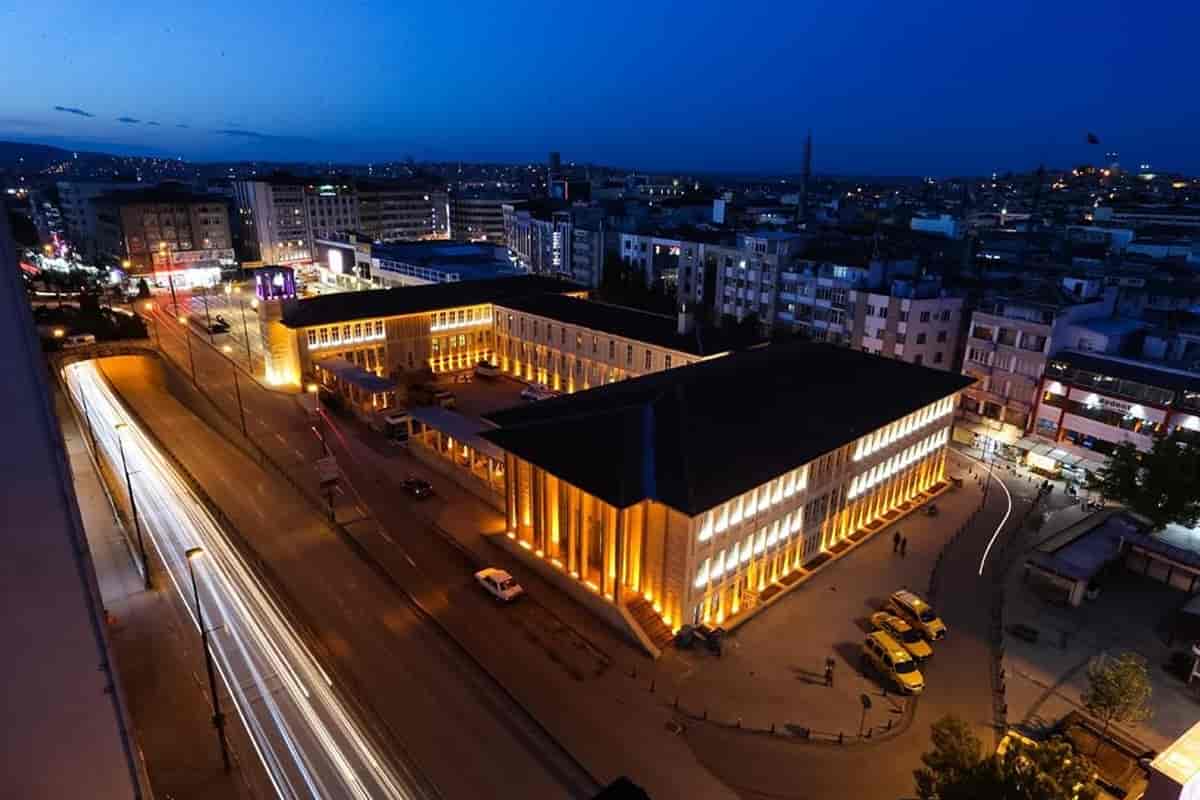
The old courthouse building in Gaziantep, which was built in the 1950s, used as a governor's office for a while, and then thousands of people were tried for the crimes they committed, serves as the ‘Living Culture and Art Centre’ after the restoration. In the 4-storey building consisting of 3 blocks, there are art gallery, exhibition halls, children's art centre, library, theatre, fine arts courses such as handicraft, talent development, marbling art, etc.
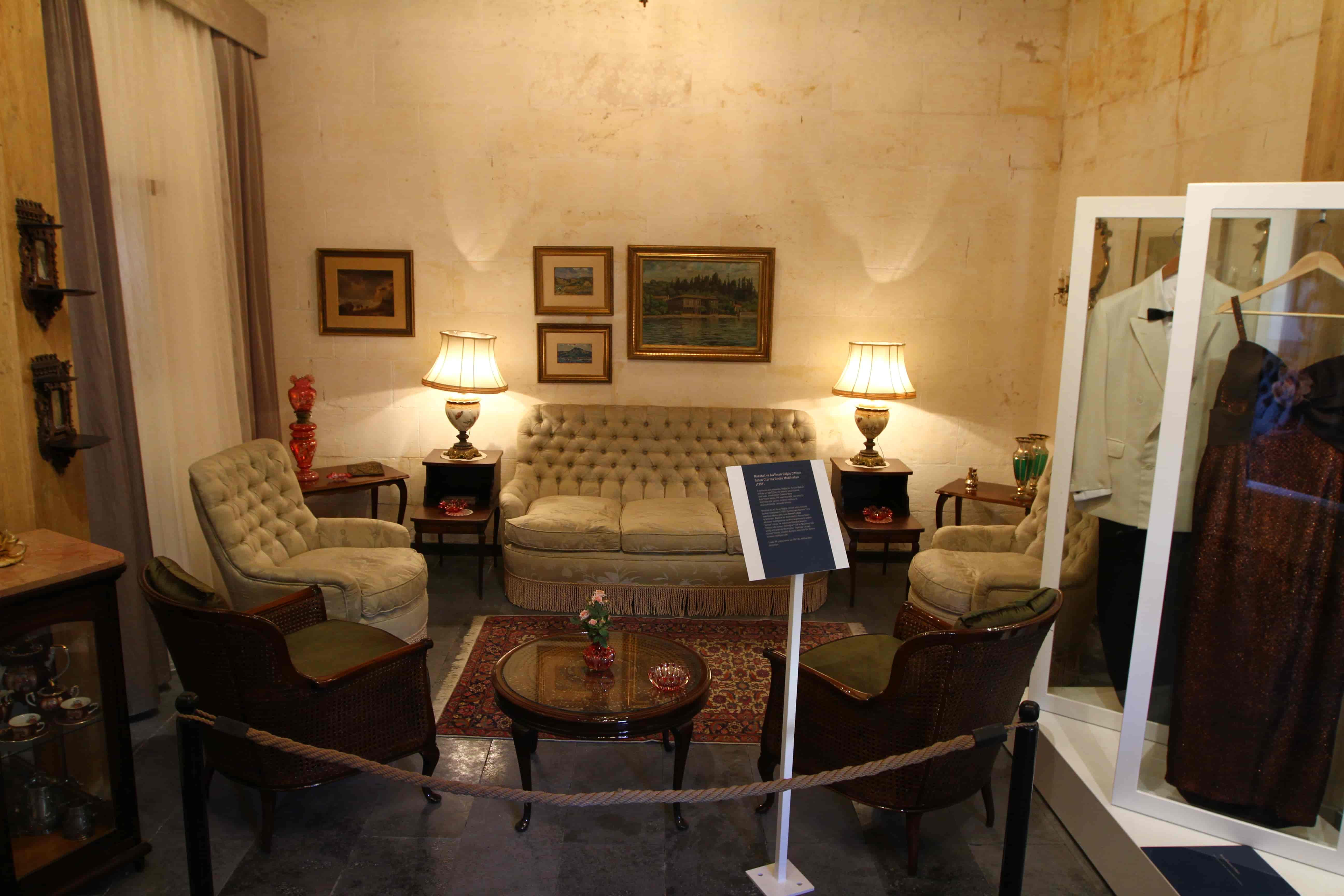
This museum showcases the library and personal belongings donated to the city of Gaziantep by Ali İhsan Göğüş, Turkey's first Minister of Tourism, who is from Gaziantep. The second floor serves as the Gaziantep Research Center. On the third floor of the museum, visitors can enjoy coffee with a view of Antep Houses.
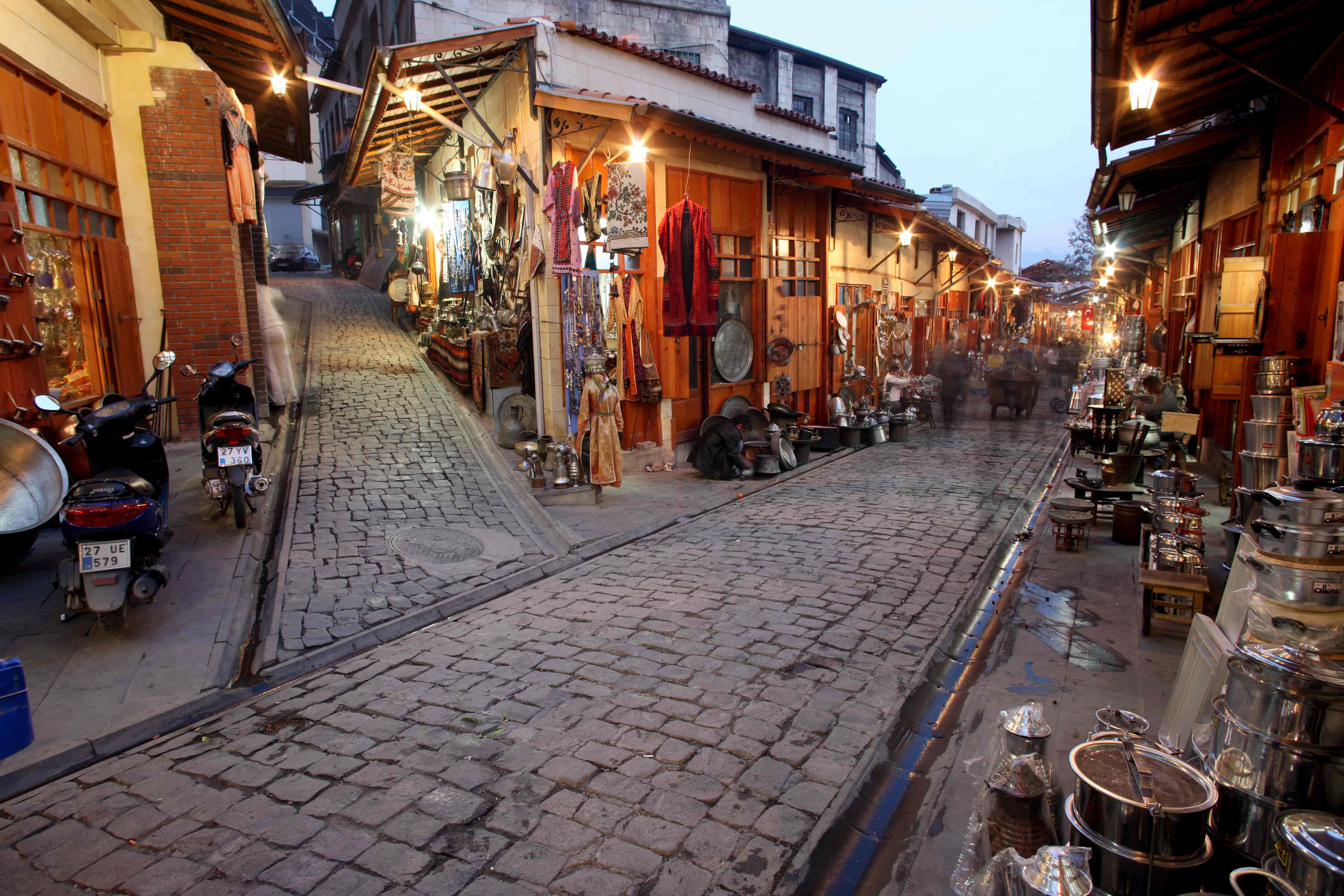
Generally referred to as the Copper Bazaar, it is a complex of bazaars where many artisans produce their crafts. Although the exact construction date of the shops located in the Copper Bazaar is not known, it is believed to have been built in the 16th century. The bazaar consists of single-story shops and is located within the caravanserai district. The art of copperworking, which gives the bazaar its name, continues to thrive intensely today.
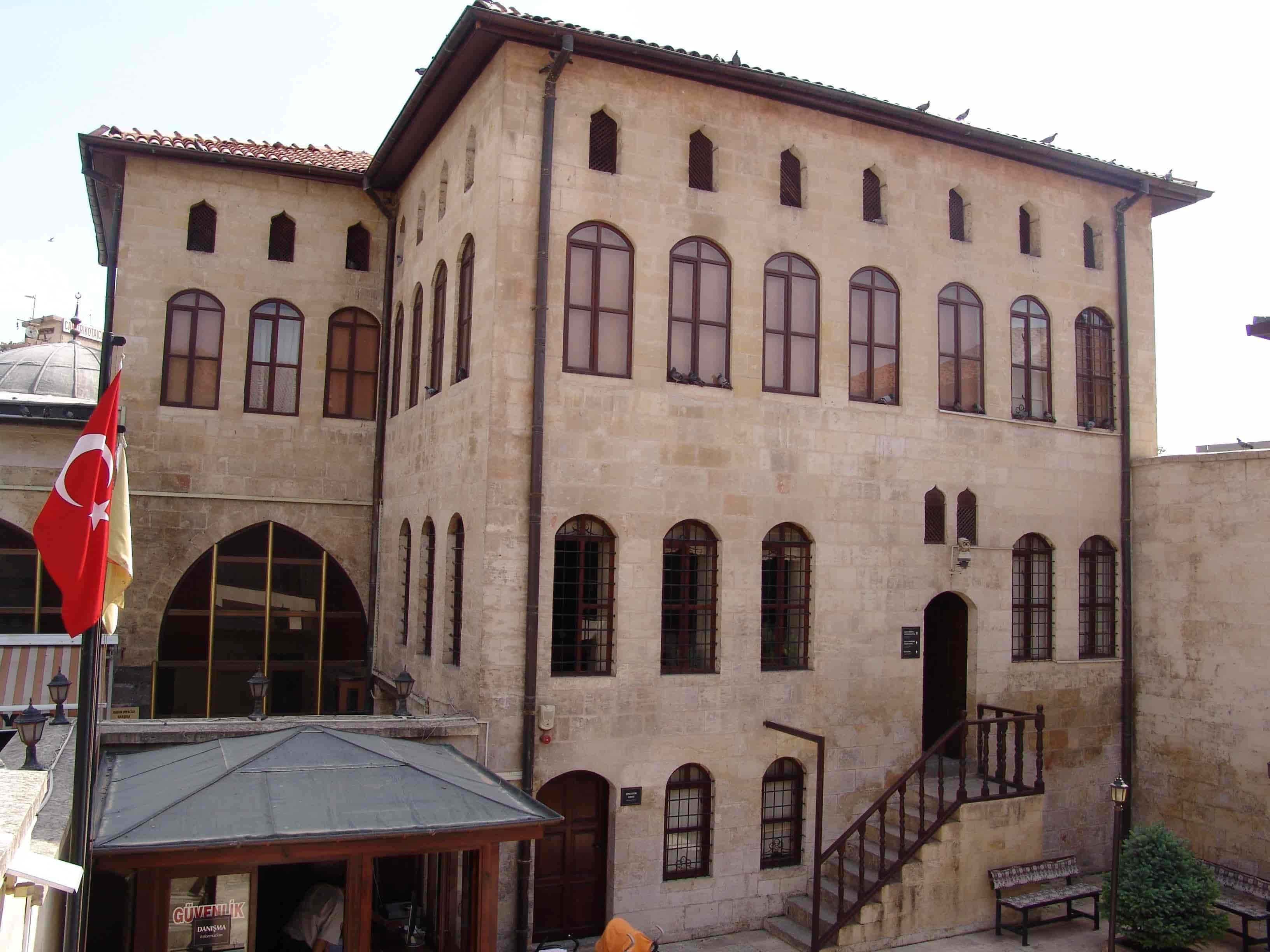
The 4-century-old historical building, which was built as a Mevlevihane and used as a primary school, warehouse, mufti's office and mosque lodging in the last century, is a 3-storey structure. Gaziantep Mevlevihane Foundation Museum exhibits the Mineral Works, Manuscript Qurans, examples of Turkish Calligraphy selected among artefacts from Mevlevi culture and foundation culture, and rugs and carpets are displayed in the 2-storey space on the right of the courtyard.