

EN
✨ Hi, ask me a question!
Assistant
EN
Assistant
3.6 km
Distance
300 dk
Duration
5
Stops
Five Museums, One Day, Endless Discovery
We begin our museum marathon at the Zeugma Mosaic Museum, home to the world’s largest mosaic collection. The mosaics unearthed from the ancient city of Zeugma reveal the rich lifestyle of the Roman period with dazzling detail. The museum’s star, the “Gypsy Girl” mosaic, speaks from thousands of years ago with her mysterious gaze. As you explore the mythological stories behind each mosaic, you will lose track of time. The museum’s spacious atmosphere and dramatic lighting transform the exhibits into an art gallery.
From Zeugma, we walk to the Gaziantep Archaeology Museum. Here, artifacts spanning from the Neolithic period to the Ottoman era are displayed. From stone tools to bronze figurines, from Hittite seals to Roman coins, the collection proves that Southeastern Anatolia is a cradle of civilizations. At lunch, the aroma of perfectly cooked Kuşbaşı Kebab will instantly erase your museum fatigue.
In the afternoon, we visit the Emine Göğüş Culinary Museum. Located in a traditional Antep house, this museum showcases centuries-old recipes and cooking techniques. Copper pots, stone mills, and handmade kitchen tools reflect the mastery of Antep women in the kitchen. Here, you can learn the story of Gaziantep Yuvarlama: a refined dish made with chickpeas, diced meat, and tiny meatballs.
The Gaziantep Bath Museum preserves a classical Ottoman bathhouse as a museum. By walking through the hot, warm, and cold sections, you will discover the subtleties of Ottoman bath culture. The atmosphere, enriched with water sounds and steam effects, takes you back centuries.
Our final stop is the Museum of the History of Islamic Science. From algebra to astronomy, from medicine to engineering, this museum presents the scientific contributions of Islamic civilization with interactive working replicas. Relieve the day’s fatigue with a slice of Antep Baklava, where thin layers of pastry meet butter and pistachio. Each of the forty layers is individually prepared, making this legendary dessert the sweetest reward of your museum marathon.
1. Day
1. Day
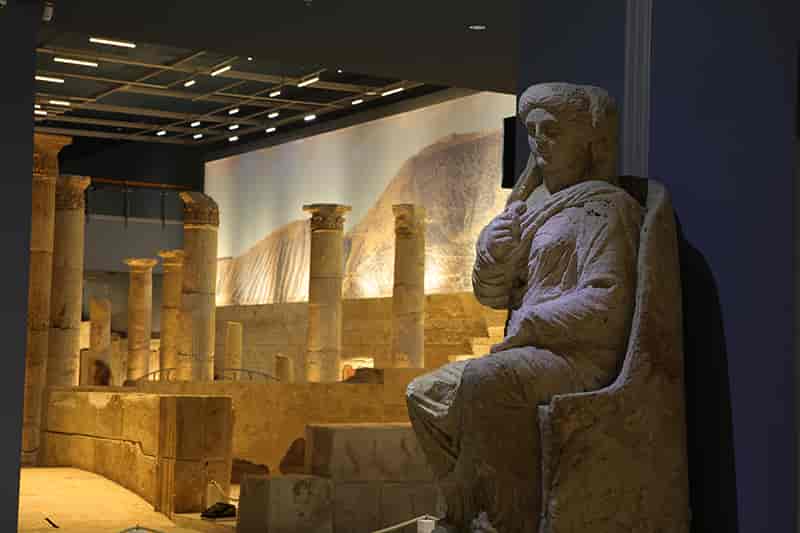
Gaziantep Zeugma Mosaic Museum is the largest mosaic museum in the world in terms of the colour scale of the mosaics exhibited. In the museum, which is one of the important museums in the world with its original exhibition organised according to the modern museology concept, approximately 3000 m² of mosaics, which were excavated from the ancient city of Zeugma located on the banks of the Euphrates River and whose restoration and conservation have been completed so far, are displayed.
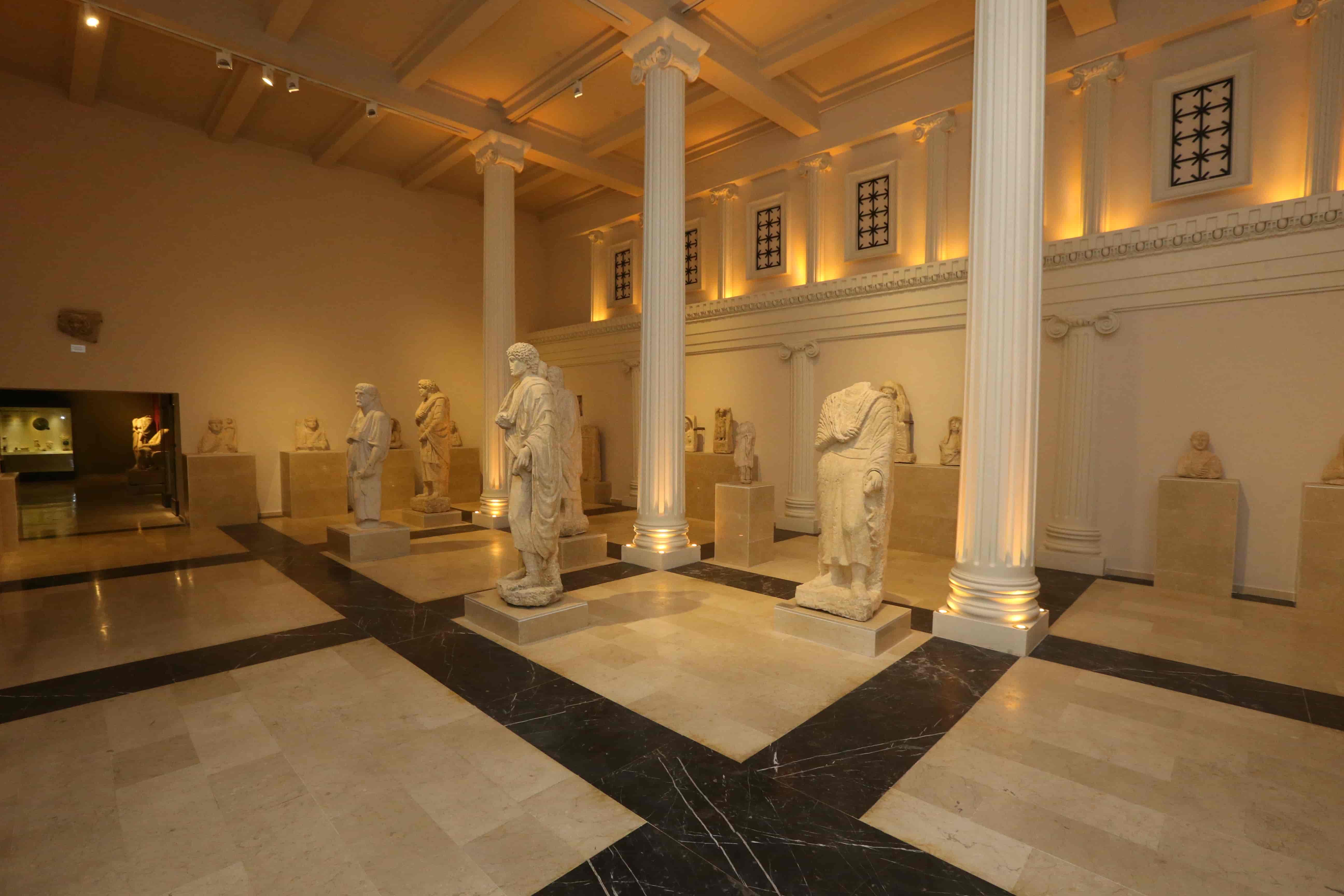
The museum, founded by Sebahat Göğüş, one of the first female archaeologists of the Republic Period, features 106 display cases starting with Geological Period fossils and rocks, and ending with artifacts from the Paleolithic, Neolithic, Chalcolithic, Bronze Ages, Hittite, Hurrian, Persian, Greek, Roman, Byzantine, Islamic, and Ottoman periods. Additionally, the skeletons of the extinct Maraş Elephant are also exhibited in the museum.
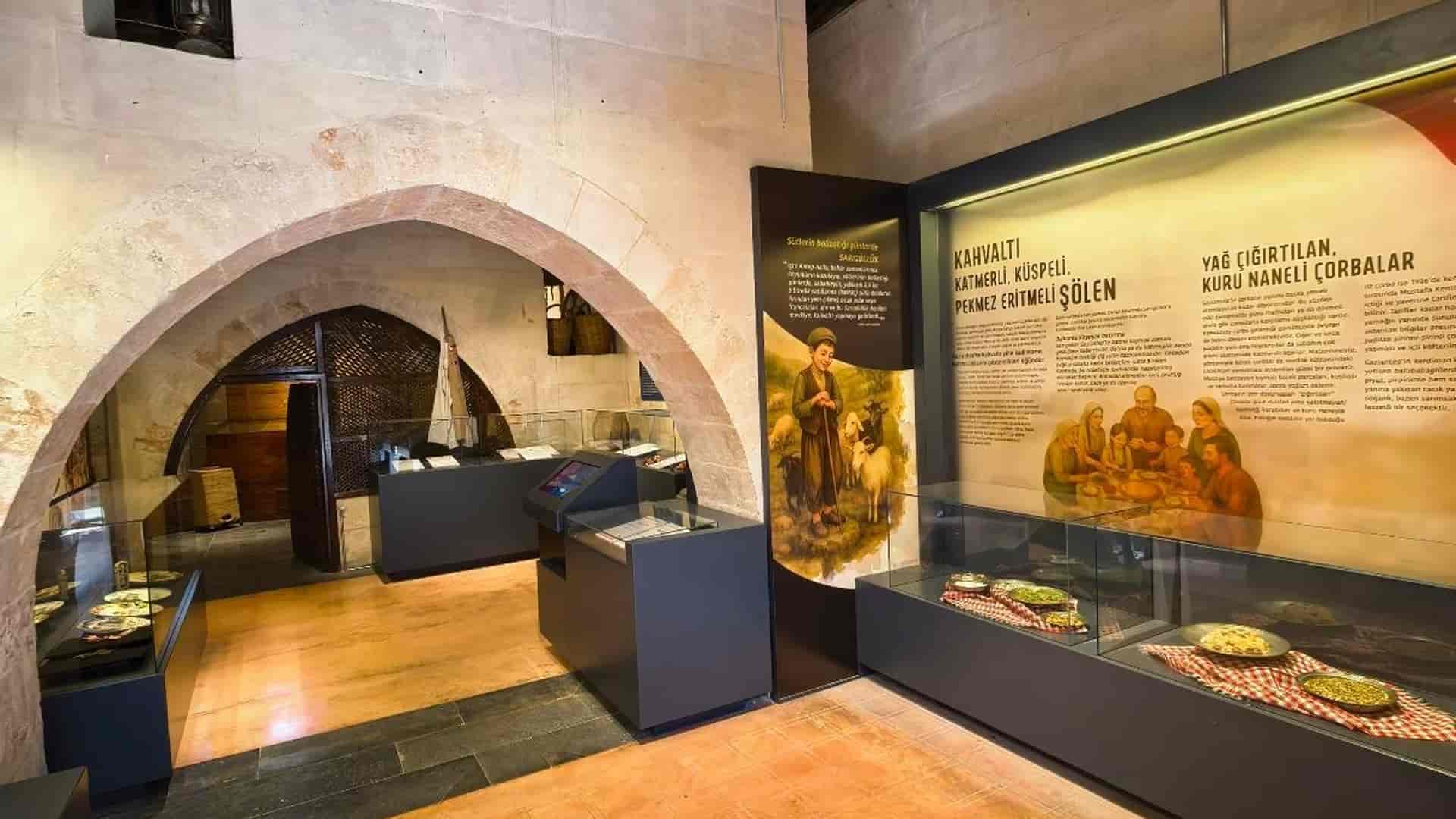
Opened in 2008, the culinary museum welcomes its visitors with its local architecture and exhibition reflecting the rich culinary culture. In addition to the tools and equipment used in Antep cuisine, the process from local dishes to beverages, from cooking methods to their preparation is presented.
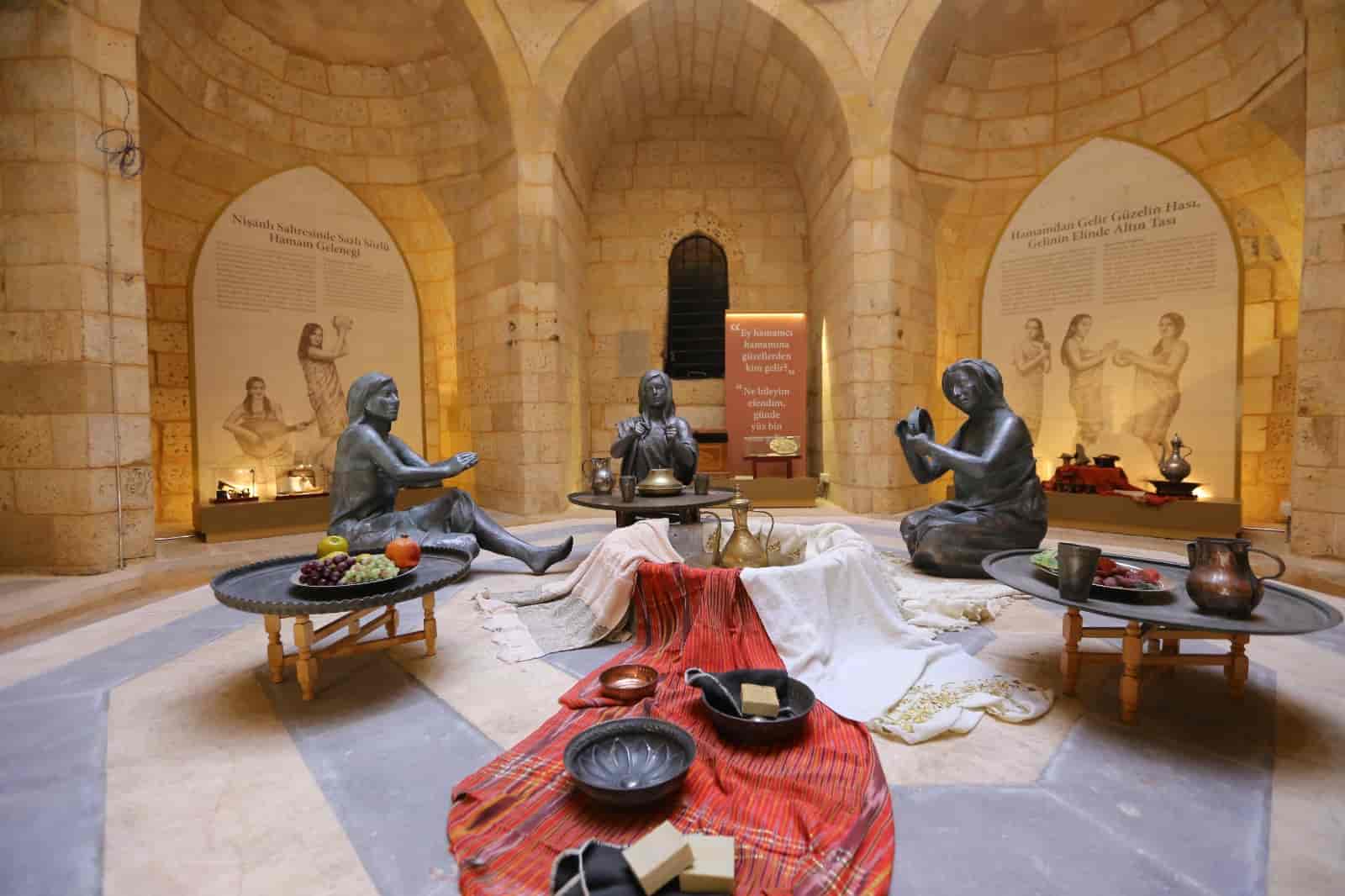
The structure reflecting the example of Ottoman bath architecture and culture is part of the complex built by Lala Mustafa Paşa. It dates back to 1577 and served for many years as 'PAŞA HAMAMI'. In 2015, the bath was transformed into a museum showcasing Gaziantep's bath culture, featuring sections of the bath, tools used, as well as wax sculptures and models illustrating bath rituals.
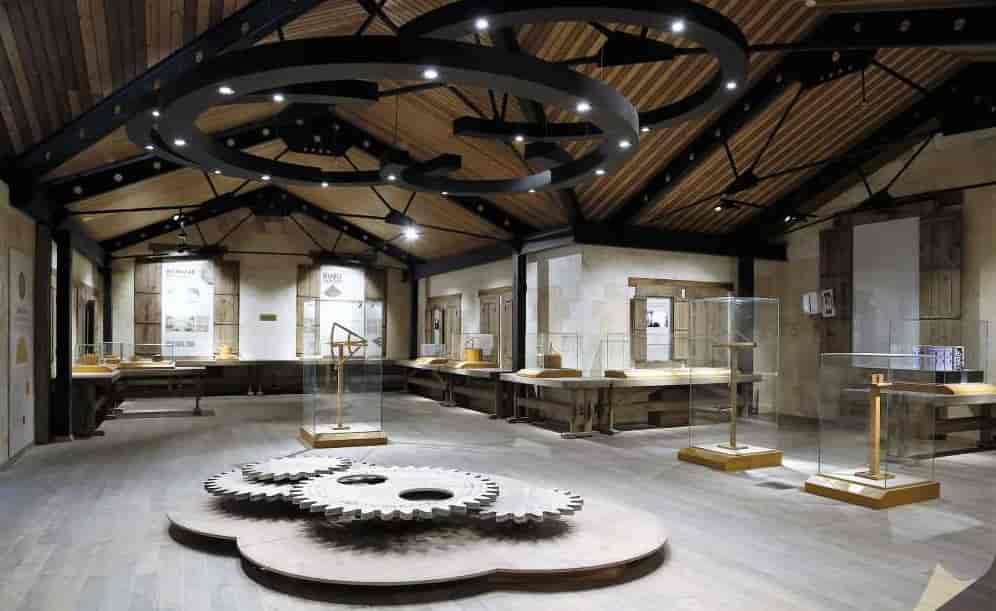
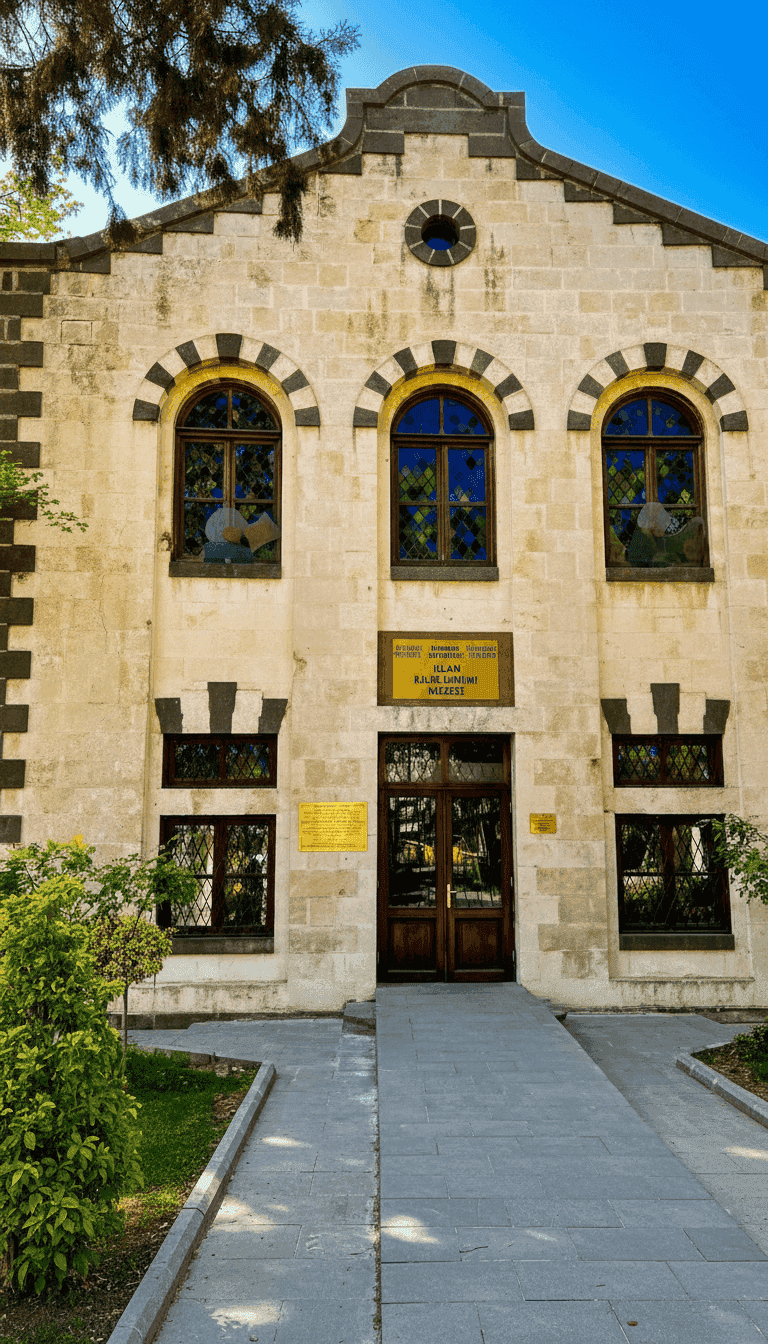
Early 19th century school building has been restored and used in the museum where scientific activities and inventions in Islamic cultural geography are introduced. Many inventions made by Muslim scientists in the fields of astronomy, geography, maritime, physics-mechanics, medicine and chemistry, which have survived to the present day with minor changes, are exhibited.