

EN
✨ Hi, ask me a question!
Assistant
EN
Assistant
53 km
Distance
330 dk
Duration
4
Stops
Our route starts with Zeugma Antik Kenti. This ancient city, established on the banks of the Euphrates River, was founded by Seleucus Nicator, one of Alexander the Great's generals, in the 300s BC and became one of the wealthiest settlements on the eastern border of the empire during the Roman period. Today, parts of it are submerged, but the villas and mosaic floors uncovered by excavations are open to visitors. You will follow the traces of life from thousands of years ago. We recommend trying Simit Kebabı here to start your day strong; the combination of lamb meat with simit bread is one of the most characteristic flavors of Gaziantep cuisine.
On our way back from Zeugma, we stop by Jale Tekinalp Mozaik Sanatları Merkezi. This center is a workshop and exhibition space aimed at bringing mosaic art into the present. Here, you can learn ancient mosaic techniques and see modern works produced by contemporary artists using mosaics. If you wish, you can join a workshop session and design your own mosaic.
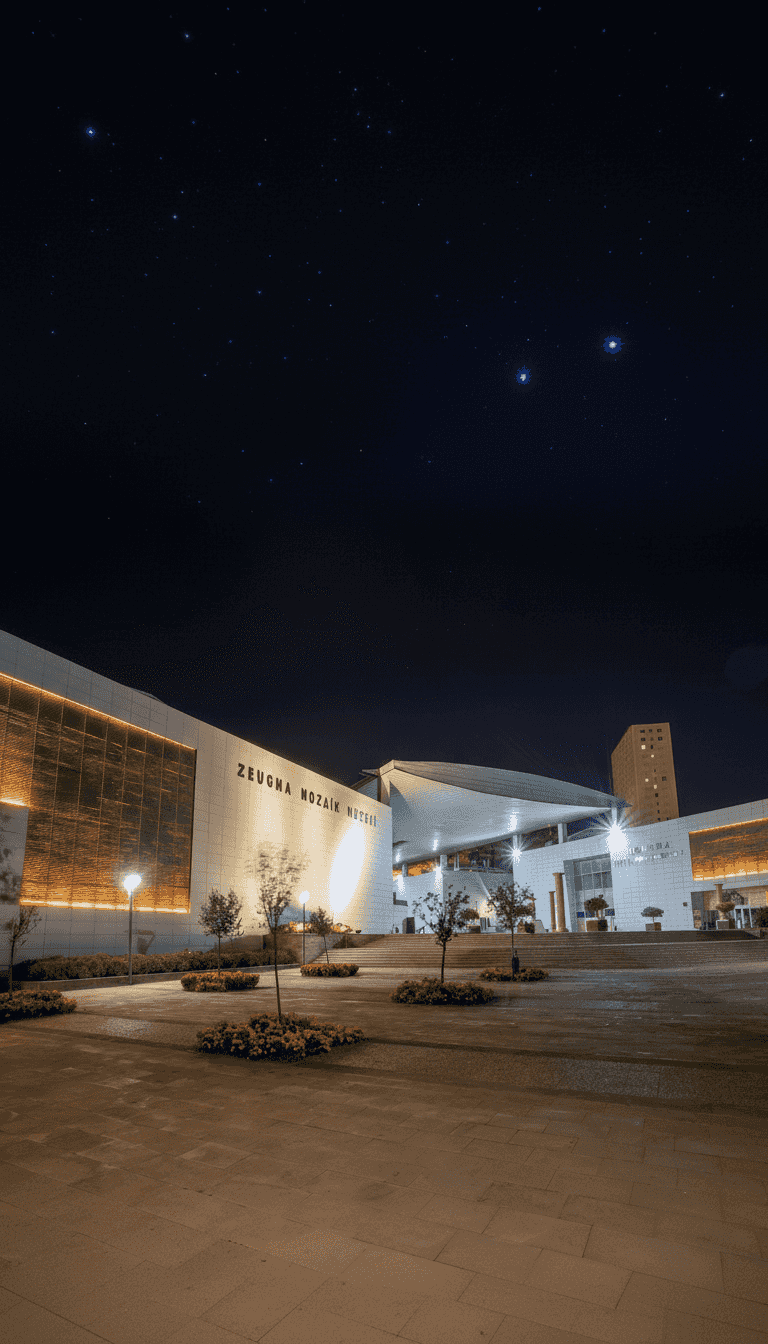
Our third stop is Zeugma Mozaik Müzesi. This structure, the largest mosaic museum in the world, houses a large portion of the artifacts extracted from Zeugma. The mosaics "Gypsy Girl", "God of War Mars", and "Okeanos-Tethys" are masterpieces that demonstrate the advanced level of ancient art. For lunch, you should try Gaziantep Alenaziği's wonderful harmony of minced meat and spices stuffed into eggplant.
We conclude the day with Dülük Antik Kenti. This settlement, dating back to the Hittite period, was of great importance in the ancient world as the center of the Jupiter Dolichenus cult. While walking among the temple ruins and rock tombs on the hill, you will experience the silent witness of thousands of years of belief history. On the way back, the thinly wrapped dough layers and pistachio filling of Gaziantep Dolangel Tatlısı will be the sweetest finale to a day filled with history.
1. Day
1. Day
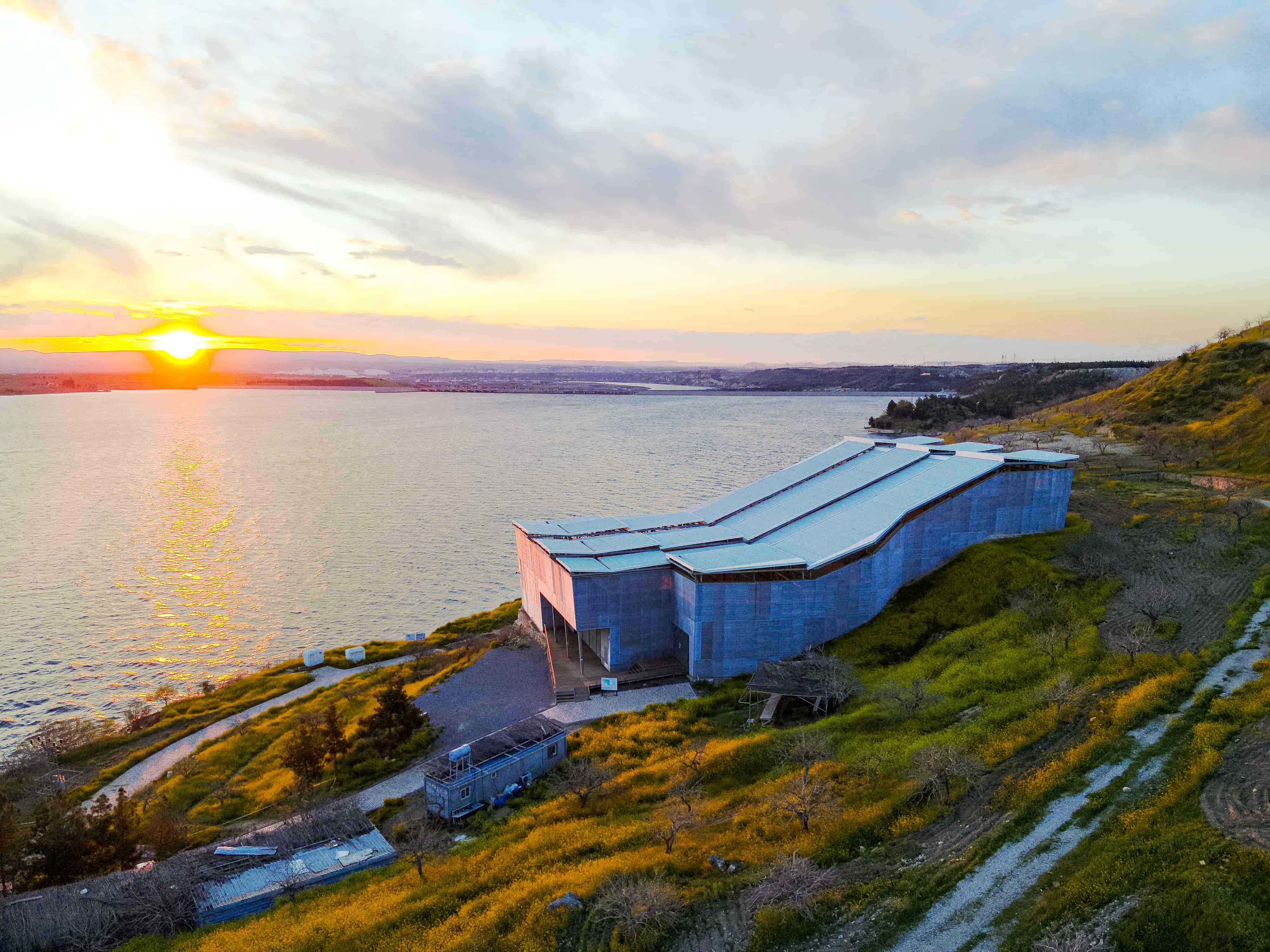
Zeugma is an important military and commercial center established at a strategic crossing point on the Euphrates River. Founded during the Hellenistic Period by Seleucid King I. Seleucus Nikator, it takes its name from the word 'Zeugma,' meaning 'crossing.' The city became a significant military base on the eastern frontier during the Roman period and experienced its wealthiest period particularly in the 2nd century A.D. It suffered great destruction due to the attack of Sasanian King I. Shapur in A.D. 253. Excavations between 1993 and 2003 uncovered numerous villas and famous floor mosaics. These mosaics, depicting mythological and daily life scenes, have made Zeugma an important center in terms of world cultural heritage. A portion of the ancient city was submerged under the waters of the Birecik Dam in 2000. Excavations are still ongoing.
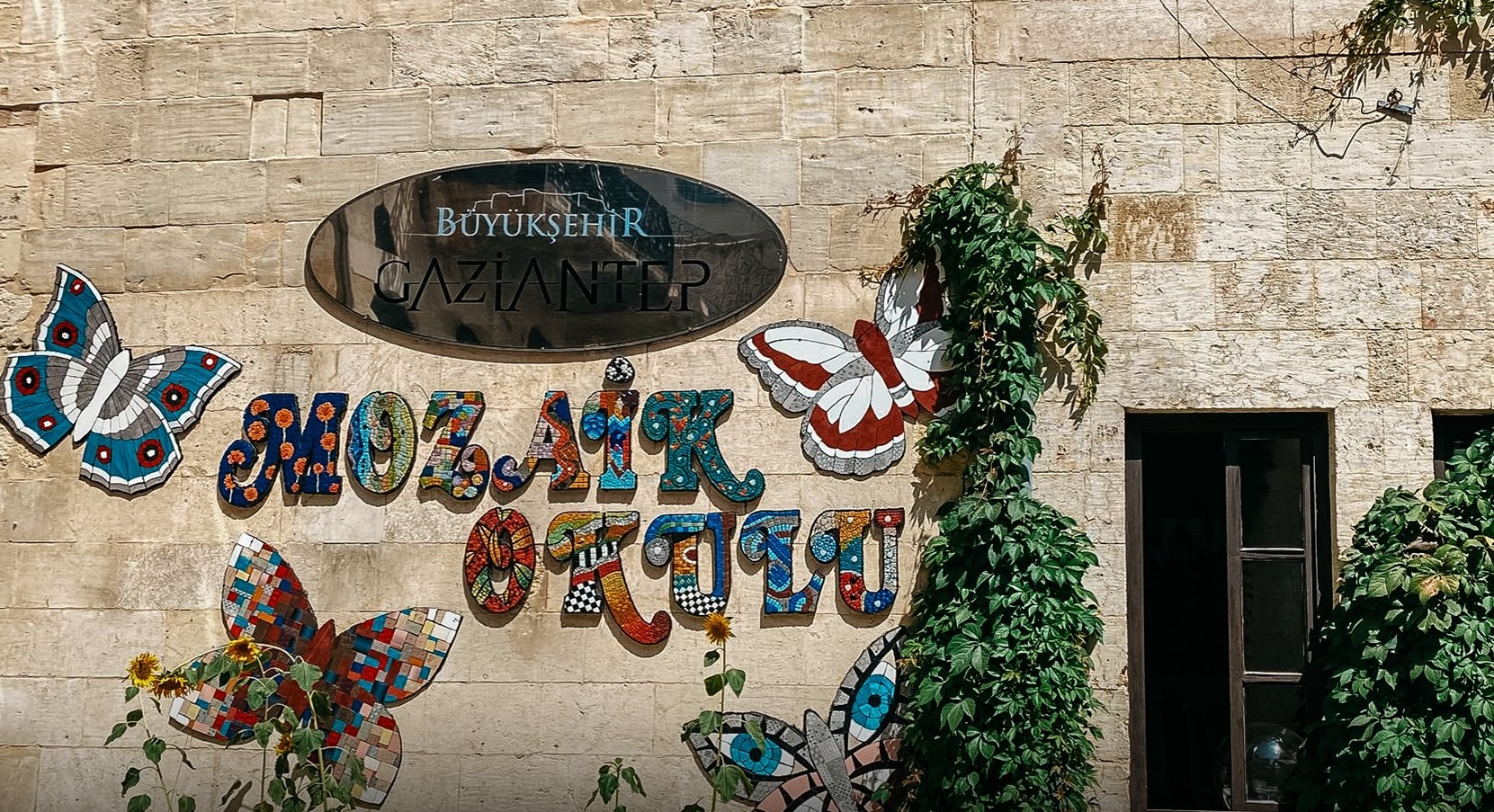
Mosaic workshops are carried out in our centre with professional instructors in order to keep Gaziantep mosaics alive, to carry the Contemporary Mosaic Art forward, and to ensure that it is a branch of art that everyone can reach and learn. The centre, which provides training to trainees in the age of 16 and above, has all kinds of equipment necessary for mosaic art and is the largest and best-equipped mosaic education centre in the city.
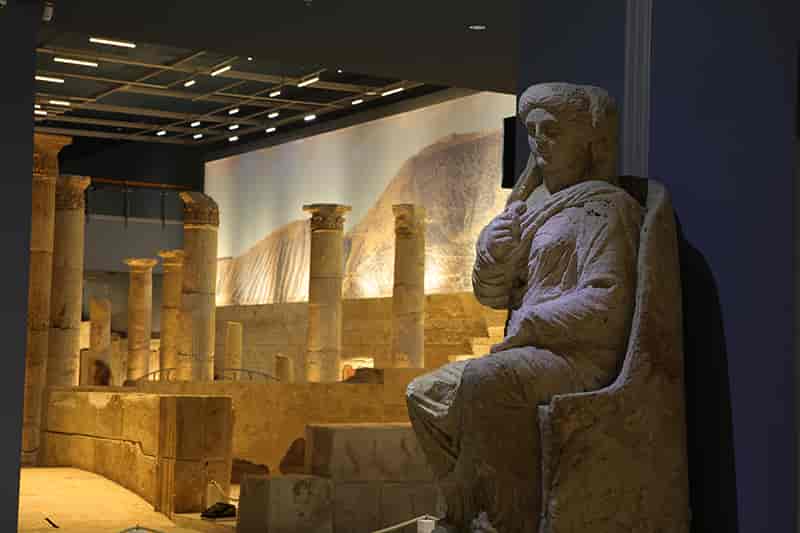
Gaziantep Zeugma Mosaic Museum is the largest mosaic museum in the world in terms of the colour scale of the mosaics exhibited. In the museum, which is one of the important museums in the world with its original exhibition organised according to the modern museology concept, approximately 3000 m² of mosaics, which were excavated from the ancient city of Zeugma located on the banks of the Euphrates River and whose restoration and conservation have been completed so far, are displayed.
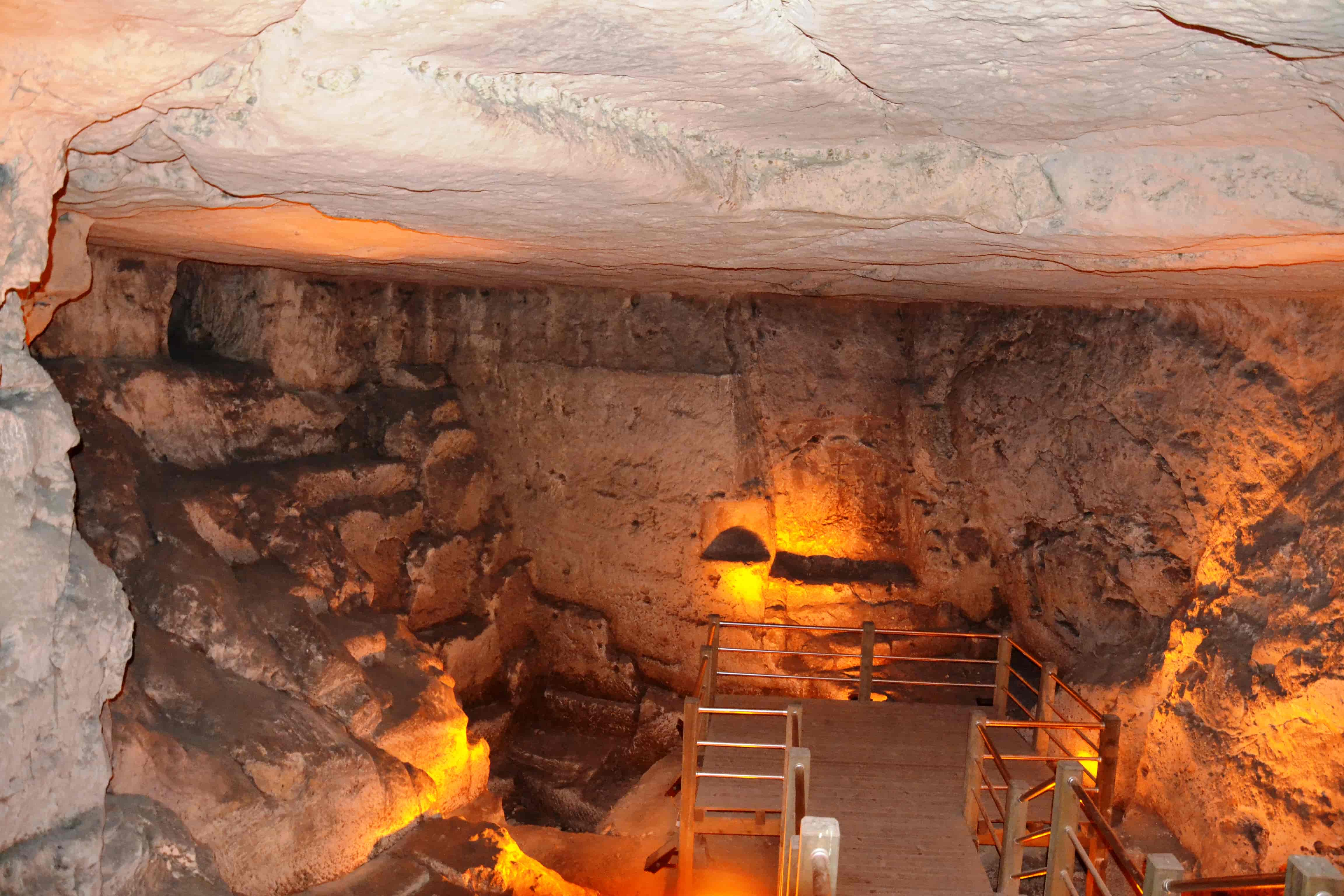
Dülük Ancient City is a very old settlement located in the northwest of Gaziantep, established on important trade routes throughout history; the Paleolithic stone tools found on Keber Hill make it one of the oldest inhabited areas in the world. The city has held great religious significance, especially with the Teşup/Jupiter Dolichenus sacred site and the first Mithras underground temple in Anatolia; it became a center of archbishopric during the Byzantine period and today attracts attention with its rock tombs and temple ruins.