


EN
✨ Hi, ask me a question!
Assistant
EN
Assistant
201 km
Distance
420 dk
Duration
4
Stops
This route reveals how deep the civilization history of Gaziantep is, not only in the city center but also in the surrounding districts. You will be following the traces of thousands of years for two days.
Day 1 — Western Route: Our first stop is Yesemek Açık Hava Müzesi. The Hittite stone workshop dating back to the 9th century BC; colossal sphinx and lion sculptures are displayed in nature. As you walk among the olive groves and rocky areas, you will feel like you are in an archaeological excavation site. Then we move on to Tilmen Höyük: the mound dating back to 3000 BC, a crossroads of Mesopotamian and Anatolian civilizations.
Day 2 — Eastern Route: Early in the morning, we head to Karkamış Antik Kenti. This Late Hittite capital, close to the Syrian border, is famous for its magnificent relief panels. While exploring the area recognized worldwide through Leonard Woolley's excavations, you will feel that history knows no boundaries. Our last stop is Dülük Antik Kenti: this sacred site, which houses remnants from the Roman and Commagene periods, is the birthplace of the Jupiter Dolichenus cult. On your way back to the city, you can enjoy a sweet finale with burmalı kadayıf.
1. Day
2. Day
1. Day
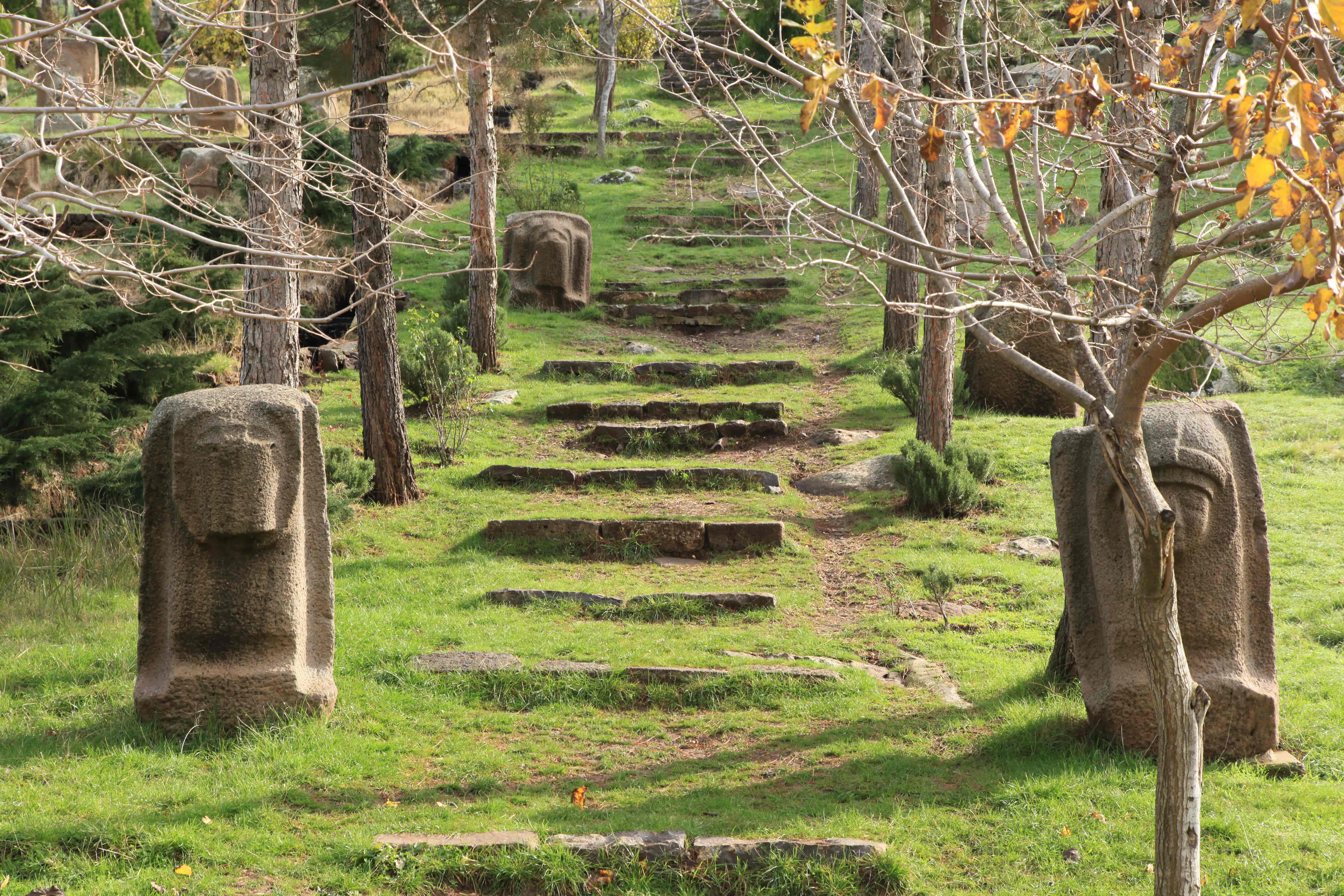
Yesemek Ancient City is an important stone quarry and sculpture workshop dating back to the Late Hittite Period, located near Gaziantep’s İslahiye district. This center, believed to have been active particularly in the 8th century BC, met the sculpture needs of monumental structures in the region. The site contains hundreds of unfinished lion statues, sphinxes, and various relief drafts. These works are of great importance as they show the production stages of the sculptures step by step. Yesemek is a unique archaeological site that carries the power of Hittite art and the mastery of stone craftsmanship to the present day, being one of the largest open-air sculpture workshops in the Near East.
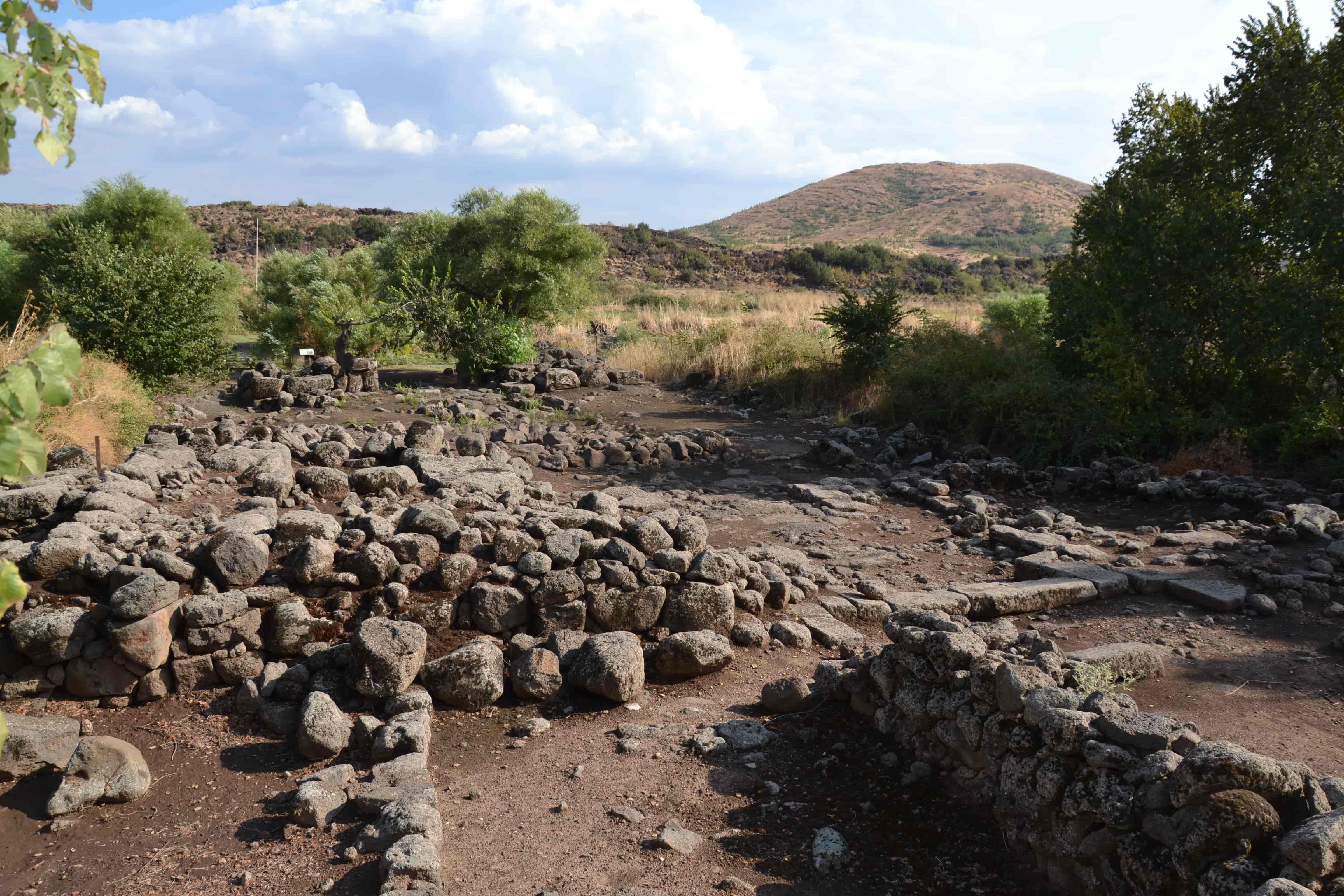
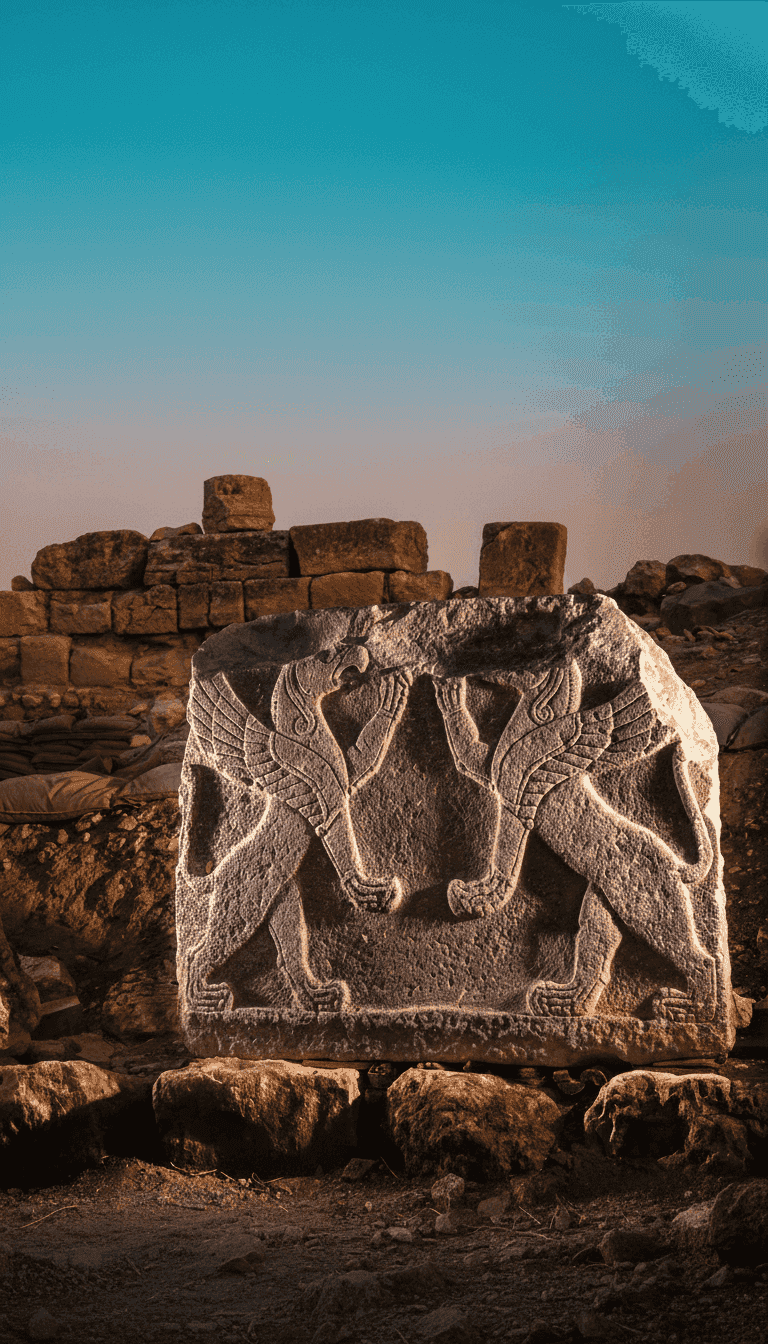
Tilmen Höyük is located in the İslahiye Plain, west of Gaziantep, and is considered one of the most magnificent cities of Anatolia during the Hittite period. The city was protected by a two-wall system consisting of inner and outer fortifications, notable for its large and well-cut stone walls. The monumental gate on the east is adorned with lion reliefs. Excavations have revealed palace structures, orthostat walls, and numerous pottery, seals, and decorative items; these findings indicate that the city had strong connections with ancient Anatolian cultures.
2. Day
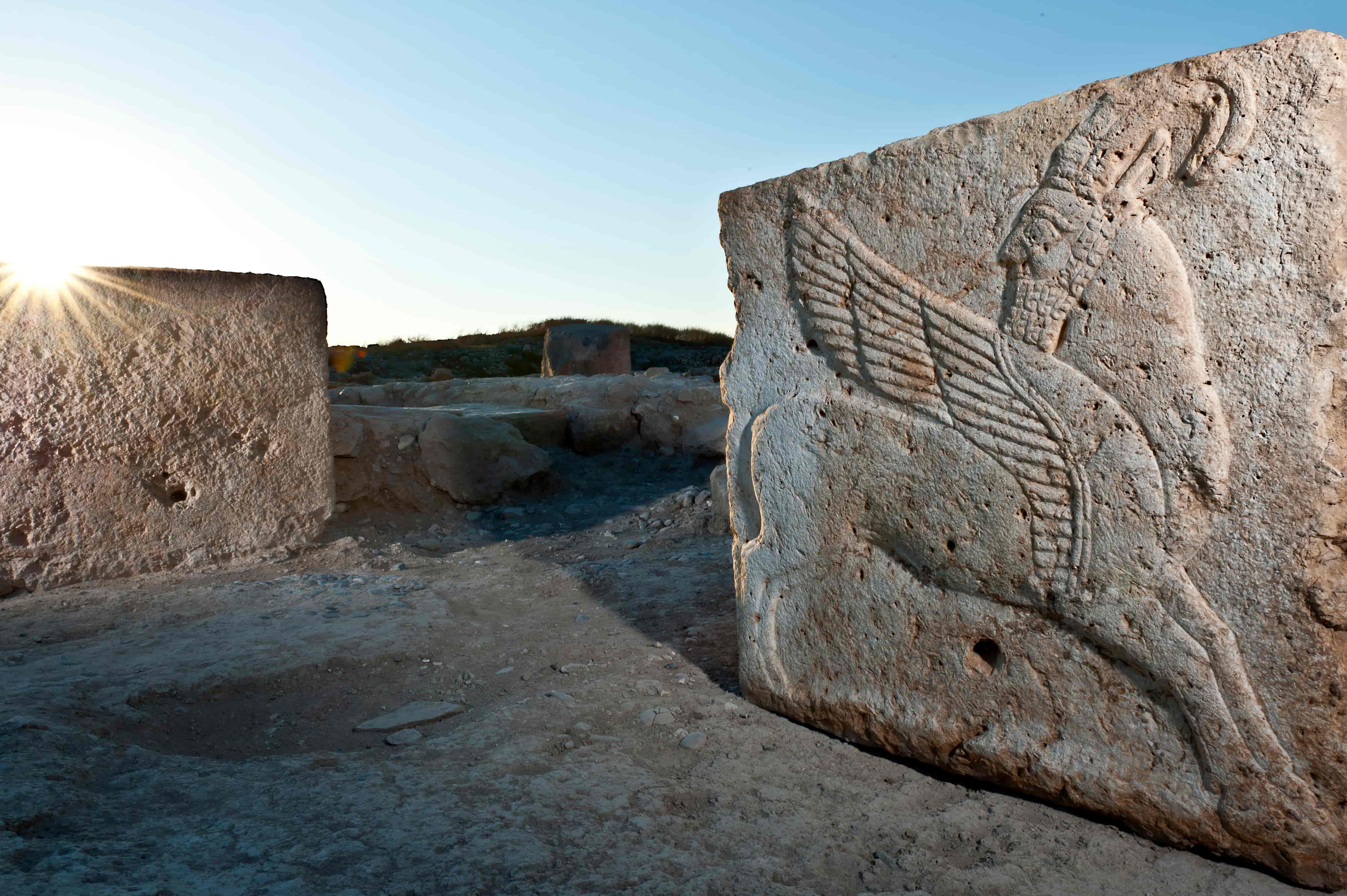
Karkamış Ancient City is an important ancient settlement located near Gaziantep, on the west bank of the Euphrates River and on the Turkey-Syria border. It holds a strategic position between Anatolia, Syria, and Mesopotamia. It served as the capital of the Karkamış Kingdom, one of the most powerful kingdoms of the Late Hittite Period. The reliefs uncovered during excavations reflect the culture of the 1st millennium BC and most of them are exhibited in the Museum of Anatolian Civilizations.
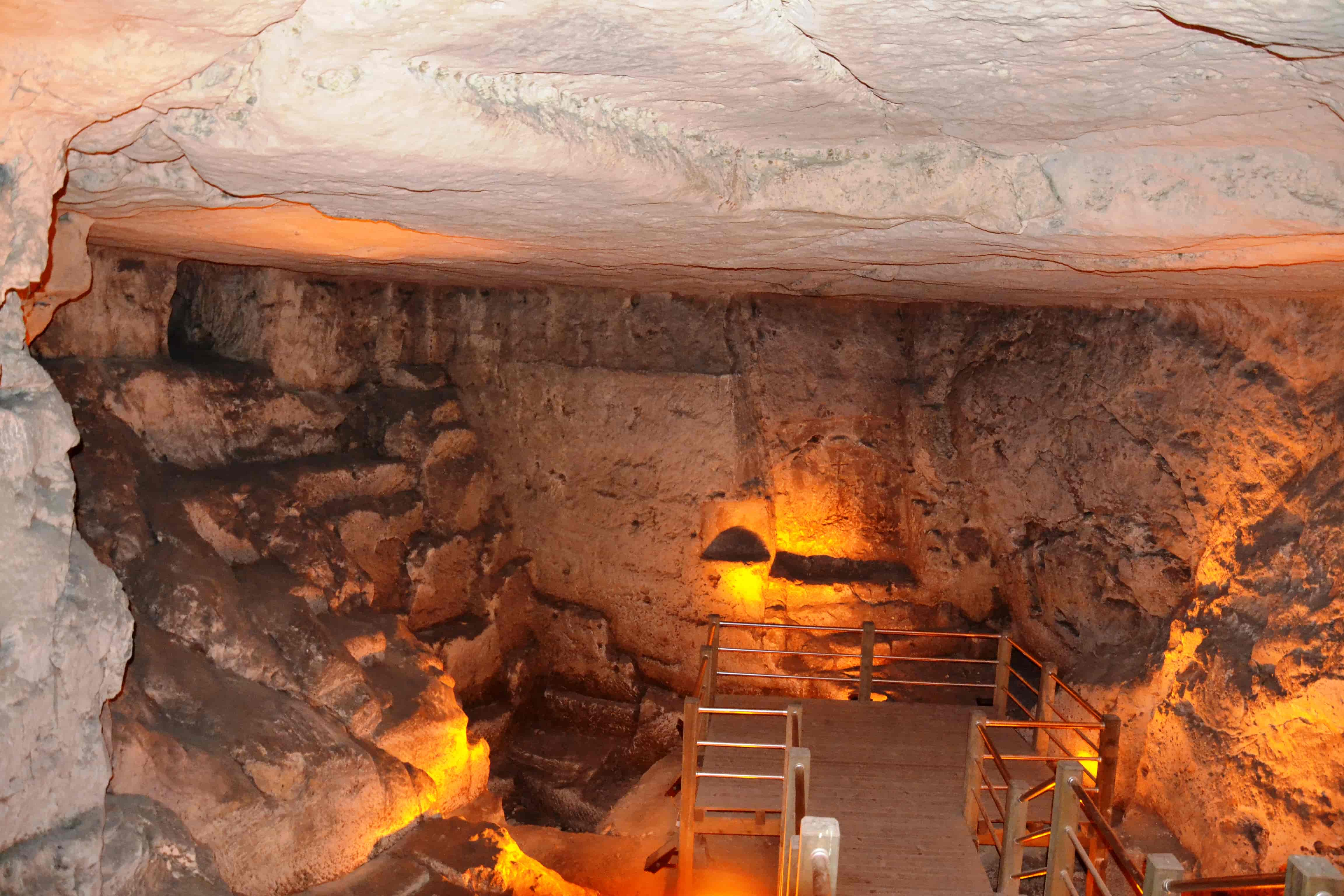
Dülük Ancient City is a very old settlement located in the northwest of Gaziantep, established on important trade routes throughout history; the Paleolithic stone tools found on Keber Hill make it one of the oldest inhabited areas in the world. The city has held great religious significance, especially with the Teşup/Jupiter Dolichenus sacred site and the first Mithras underground temple in Anatolia; it became a center of archbishopric during the Byzantine period and today attracts attention with its rock tombs and temple ruins.