

EN
✨ Hi, ask me a question!
Assistant
EN
Assistant
1.6 km
Distance
165 dk
Duration
4
Stops
Gaziantep is a city of tolerance that has embraced different beliefs and cultures throughout history. Our first stop is the @Gaziantep Mevlevi Lodge Foundation Museum. Built in the 17th century, this structure served as a center where Mevlevi dervishes performed sema ceremonies and shared knowledge and wisdom. Today, the museum displays dervish garments, ney collections, and manuscripts explaining the teachings of Rumi. Stepping onto the wooden floor where dervishes once turned, you can feel the silent echoes of centuries. At sunrise, you are welcomed by a warm bowl of @Ezogelin Soup, one of Gaziantep’s most beloved breakfast flavors made with red lentils and bulgur.
A few steps away, the @Synagogue / Havra awaits. Built in the 19th century, this place of worship stands as one of the strongest proofs of Gaziantep’s multicultural past. Its stone craftsmanship and interior decorations reflect the mastery of its era’s artisans. Restored and brought back to life, the synagogue represents tolerance in architecture.
The Kendirli Church is one of the most remarkable Armenian churches in Gaziantep. Built in 1860, it is considered an outstanding example of Armenian architecture in Anatolia with its triple-apse plan and elegant stonework. Now serving as a cultural center, its courtyard welcomes you with the fresh taste of @Lor Böreği, filled with cheese and parsley.
Our final stop is the @Saint Bedros Church (Ömer Ersoy Cultural Center). Now functioning as a cultural venue, this building is another witness to Gaziantep’s cosmopolitan past. Its arched windows and high vaulted ceilings create an impressive architectural atmosphere. Concerts, exhibitions, and cultural events are held here. At the end of the day, you will realize that @Gaziantep Tırnaklı Pide, with its uniquely curled edges, resembles an Istanbul simit in shape but offers a completely different taste experience.
1. Day
1. Day
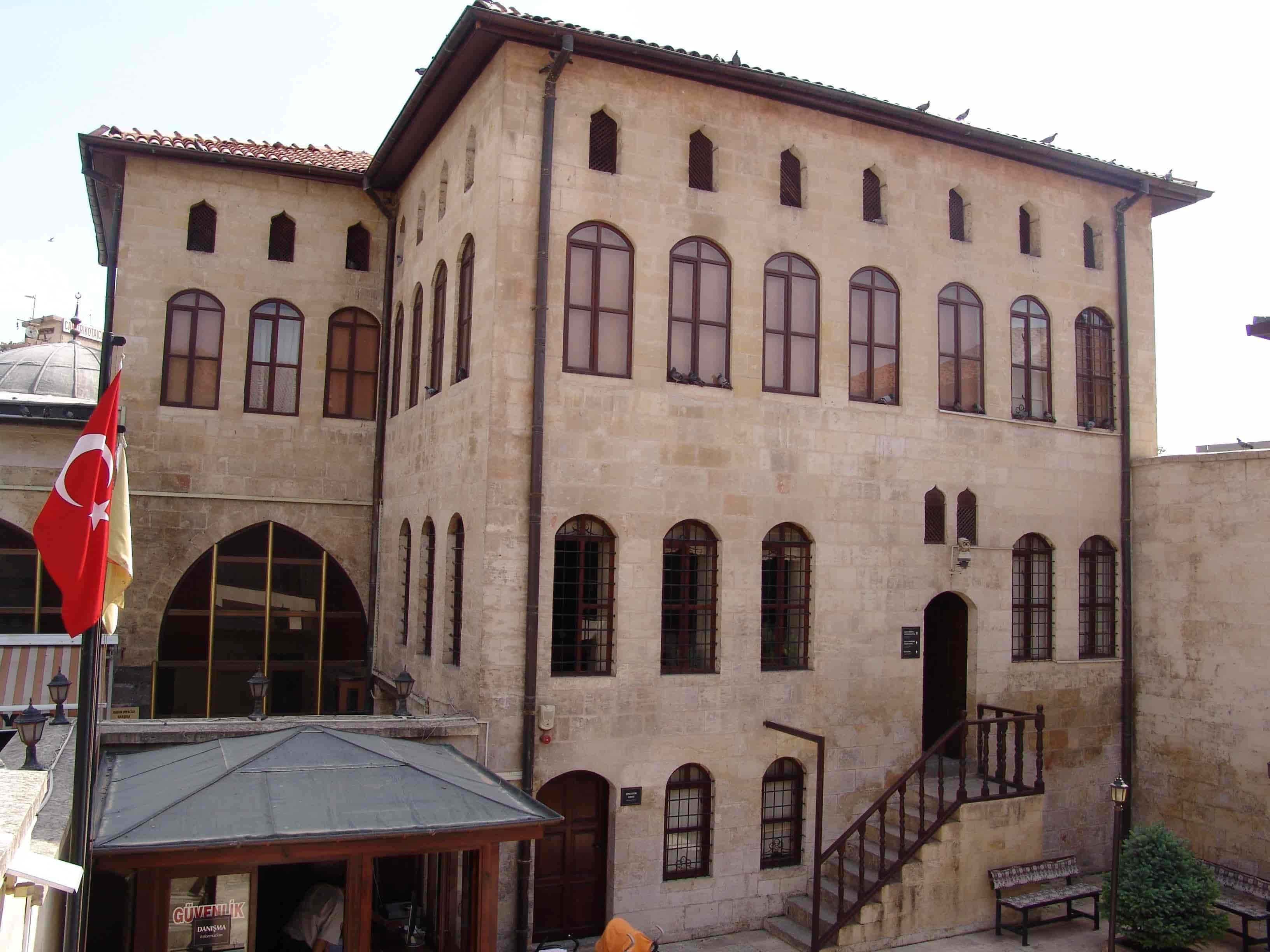
The 4-century-old historical building, which was built as a Mevlevihane and used as a primary school, warehouse, mufti's office and mosque lodging in the last century, is a 3-storey structure. Gaziantep Mevlevihane Foundation Museum exhibits the Mineral Works, Manuscript Qurans, examples of Turkish Calligraphy selected among artefacts from Mevlevi culture and foundation culture, and rugs and carpets are displayed in the 2-storey space on the right of the courtyard.
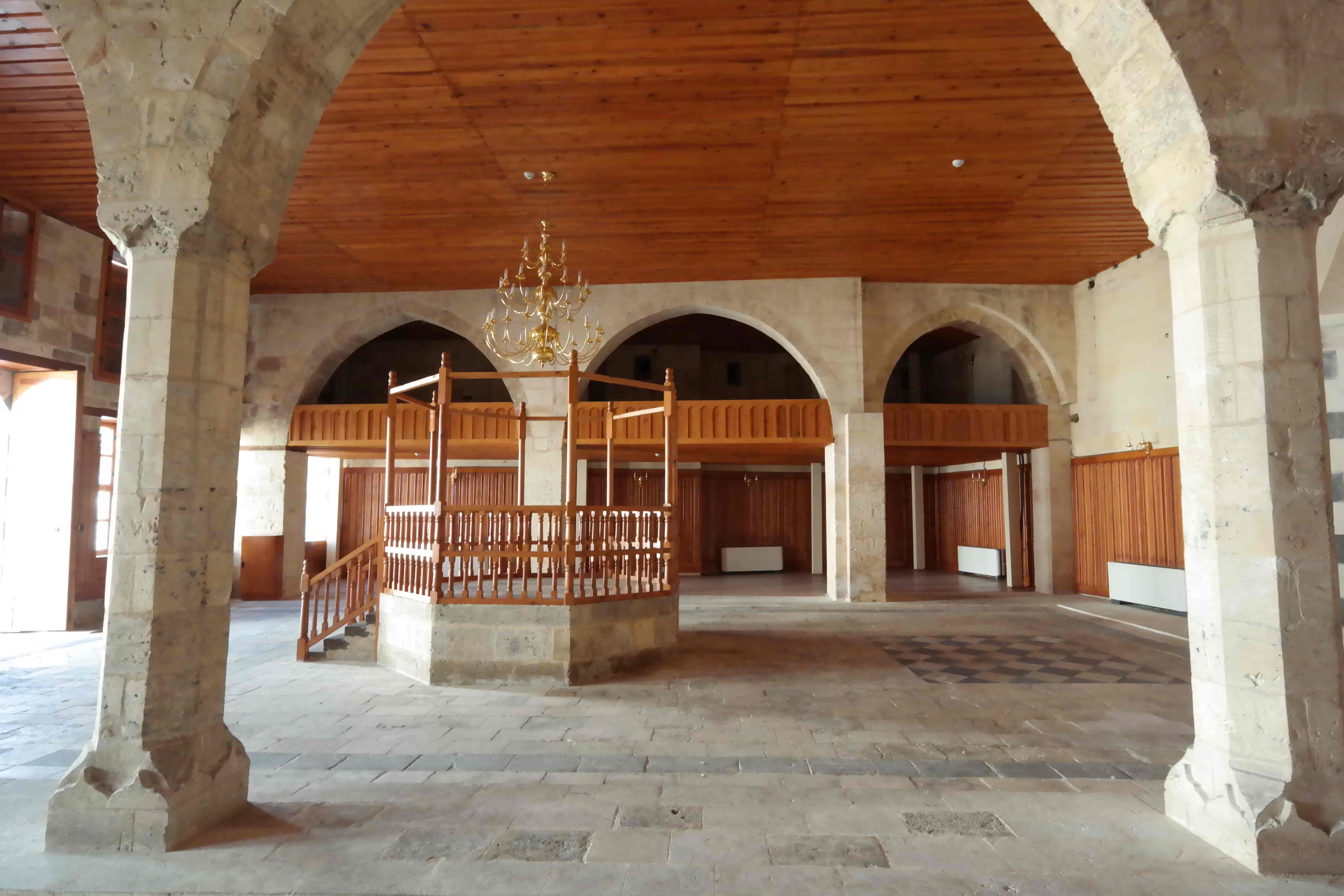
The Jews, who constituted a small part of the population in Gaziantep during the Ottoman period, had a synagogue of sufficient size for their congregation in the area known as the Jewish Quarter. The first construction date of the synagogue is recorded as 1886 in Aleppo Salnames (year-books).
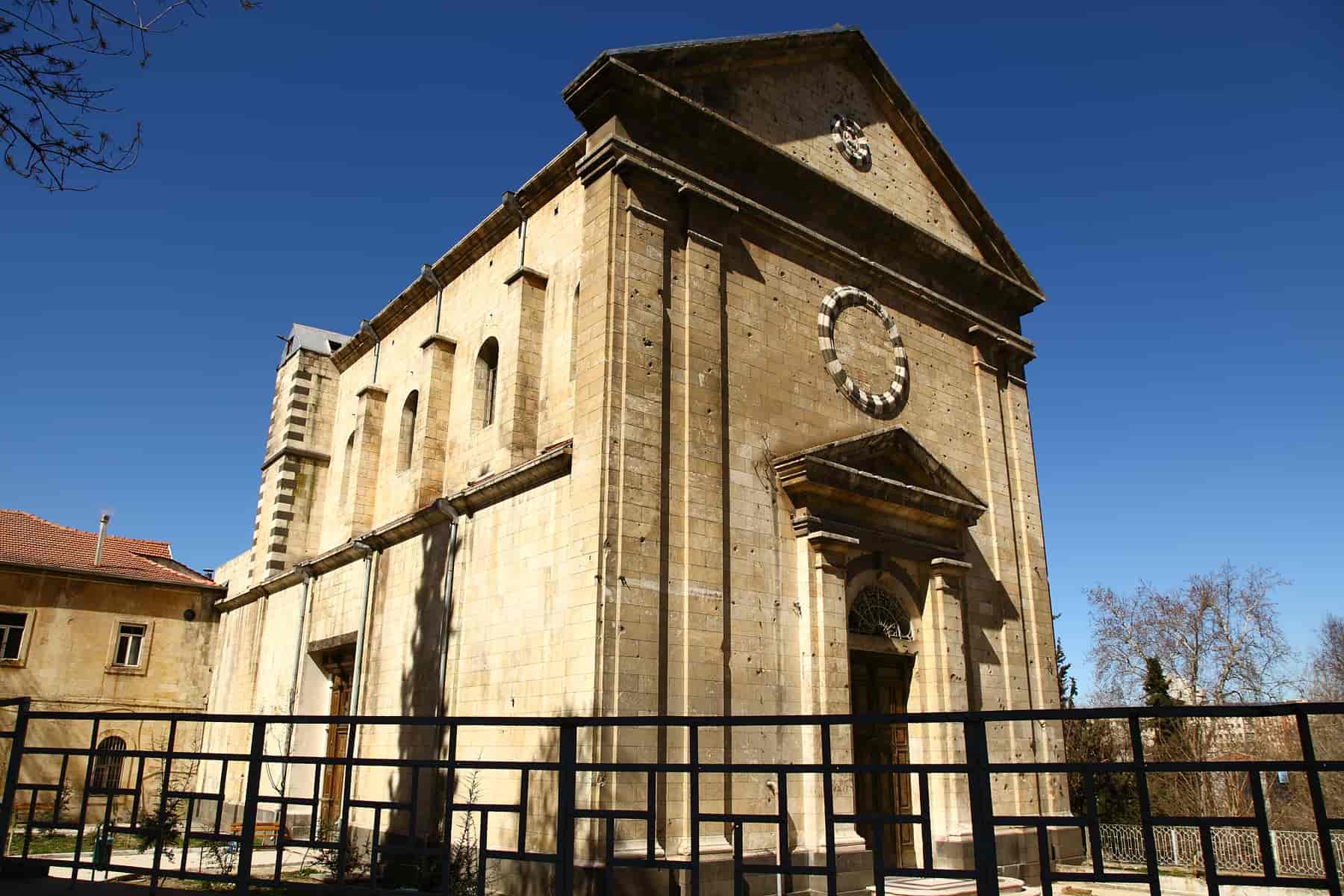
It is located in the city centre. The first construction date of the church was 1860. Since the Catholic Armenians of Gaziantep had financial difficulties in the construction of the church, it was built with financial support from the French King Napoleon III, French missionaries and the Catholic community. A large-scale aid campaign was organised for the reconstruction of the church, which later became non-operational. The old church was demolished and the construction of the present church started in 1898, which took two years and was inaugurated with a grand ceremony in 1900. The plan of the church was modelled after the Church of St Francis in Rome. Today the building is part of the EU-Türkiye Institute of Anatolian Archaeology and Cultural Heritage.
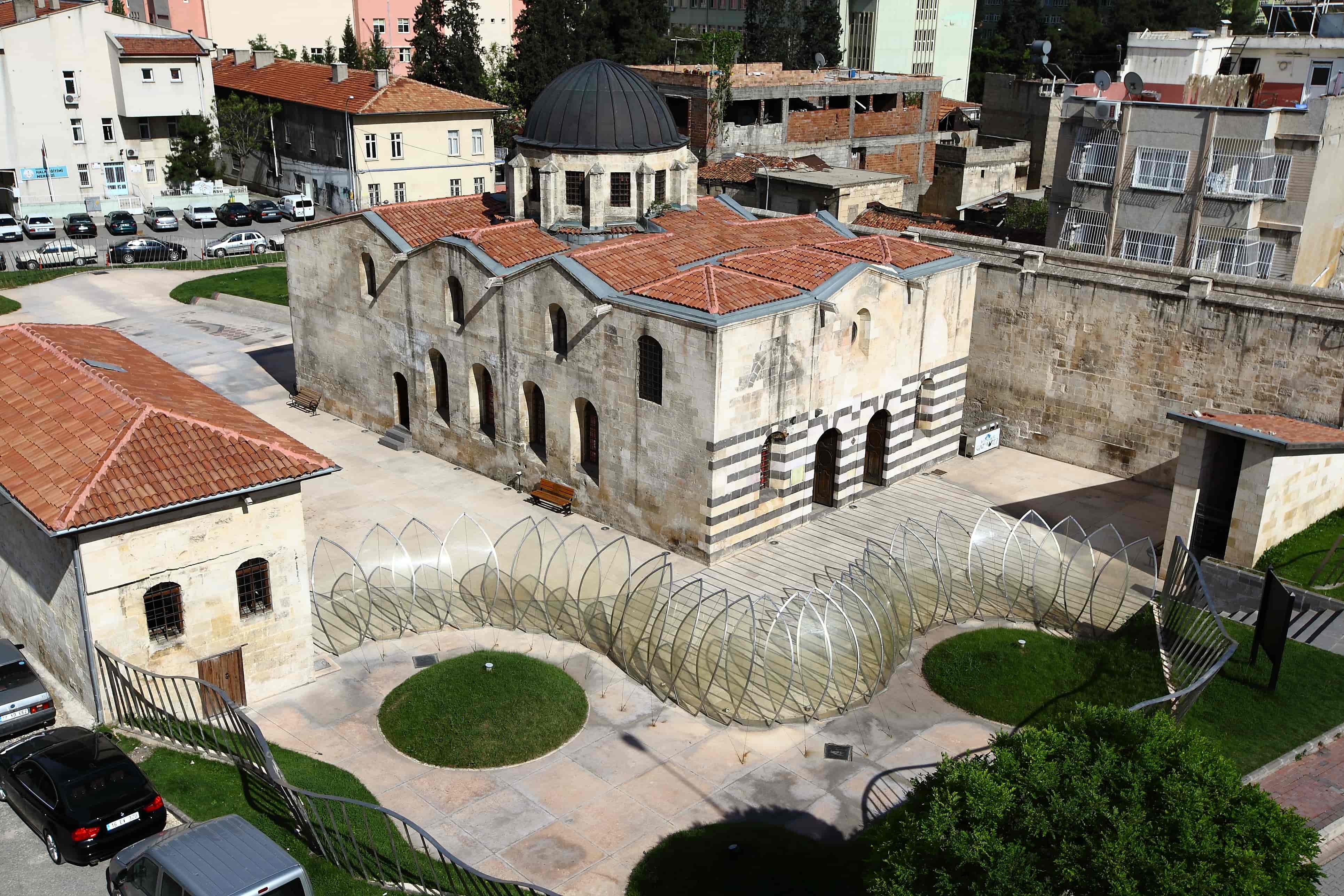
Built in 1723, the church was unearthed in 2005 during the road opening works of the municipality. There are two main entrance gates in the west direction. Dedicated to St Mary, the church was built under the presidency of the VIIIth Patriarch Bedros Krikor Catholicos. Pink marble and basalt stone were used as ornamental elements in the church built of cut stone. The church, which has three apses and is well preserved, now serves as Ömer Ersoy Cultural Centre.