



EN
✨ Hi, ask me a question!
Assistant
EN
Assistant
1.1 km
Distance
240 dk
Duration
5
Stops
Gaziantep, one of the important accommodation and trade points on the Silk Road, proudly preserves its rich past with its historical inns. The first stop of our route is Gümrük Han, one of the most magnificent structures in the city. Built in the 17th century, this inn takes you back to the Ottoman era with its stone walls and spacious courtyard. Sitting around the historical fountain in the middle of the courtyard and sipping a Gaziantep Menengiç Kahvesi is the best way to start the day peacefully. The light taste of menengiç and its creamy texture will leave a pleasant impression on your palate.
Right next to the Customs Inn, Millet Hanı welcomes us. This inn, more modest yet equally characterful, draws attention with its stone craftsmanship on the walls. Once a resting place for caravans during the Ottoman period, this structure now hosts antique and souvenir shops. Different artisanal works await you at every corner; you can catch the artistic spirit of Antep here, from copper engravings to handwoven carpets.
Passing through narrow, cobblestone streets, we reach Şire Hanı. Named after the trade of syrup, this inn has become the center of grape and molasses culture. In the courtyard of the inn, you can buy fresh molasses and pestil from local vendors. Around lunchtime, the spicy filling inside the fine bulgur shell of Gaziantep İçli Köftesi will attract you with its delightful aroma wafting through the streets.
Tütün Hanı is known as the center of tobacco trade during the Ottoman period. Today, this inn hosts art studios and cafes, providing an atmosphere that nourishes your creative spirit. Here, you can take a break and enjoy the refreshing taste of Gaziantep Meyan Şerbeti. This traditional drink is like a potion on hot Antep days.
Our final stop is Almacı Pazarı. For centuries, this market has been the commercial heart of Antep, stimulating all your senses with the colorful spectacle of spices and the aroma of dried fruits. While wandering among the spice stalls, you can experience local flavors like Antep Kurabiyesi and Gaziantep Fıstık Ezmesi. Shopping in this historic market means becoming part of Antep's centuries-old trade tradition.
1. Day
1. Day
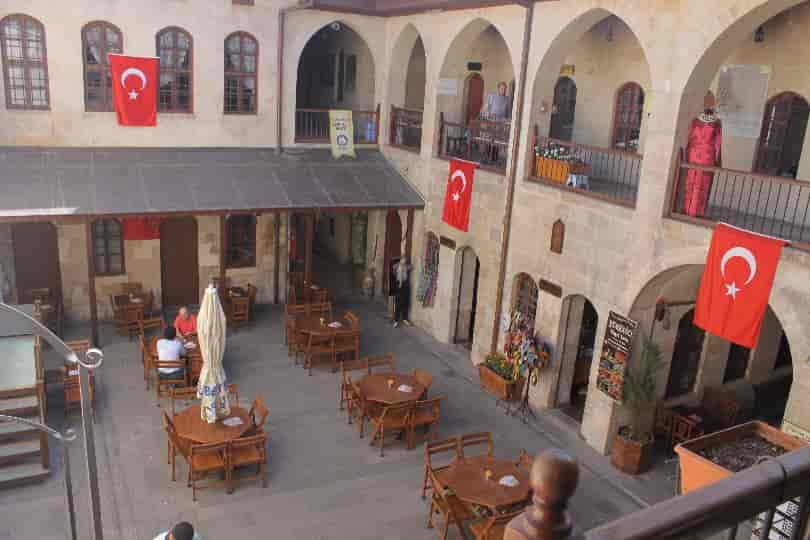
The inn located on Gümrük Street in Şekeroğlu Neighborhood was historically used as a caravanserai. It has been restored by Şahinbey Municipality to serve as a center for promoting and transferring endangered handicrafts to future generations, and has been opened to service as the 'Living Museum Historical Customs Inn'.
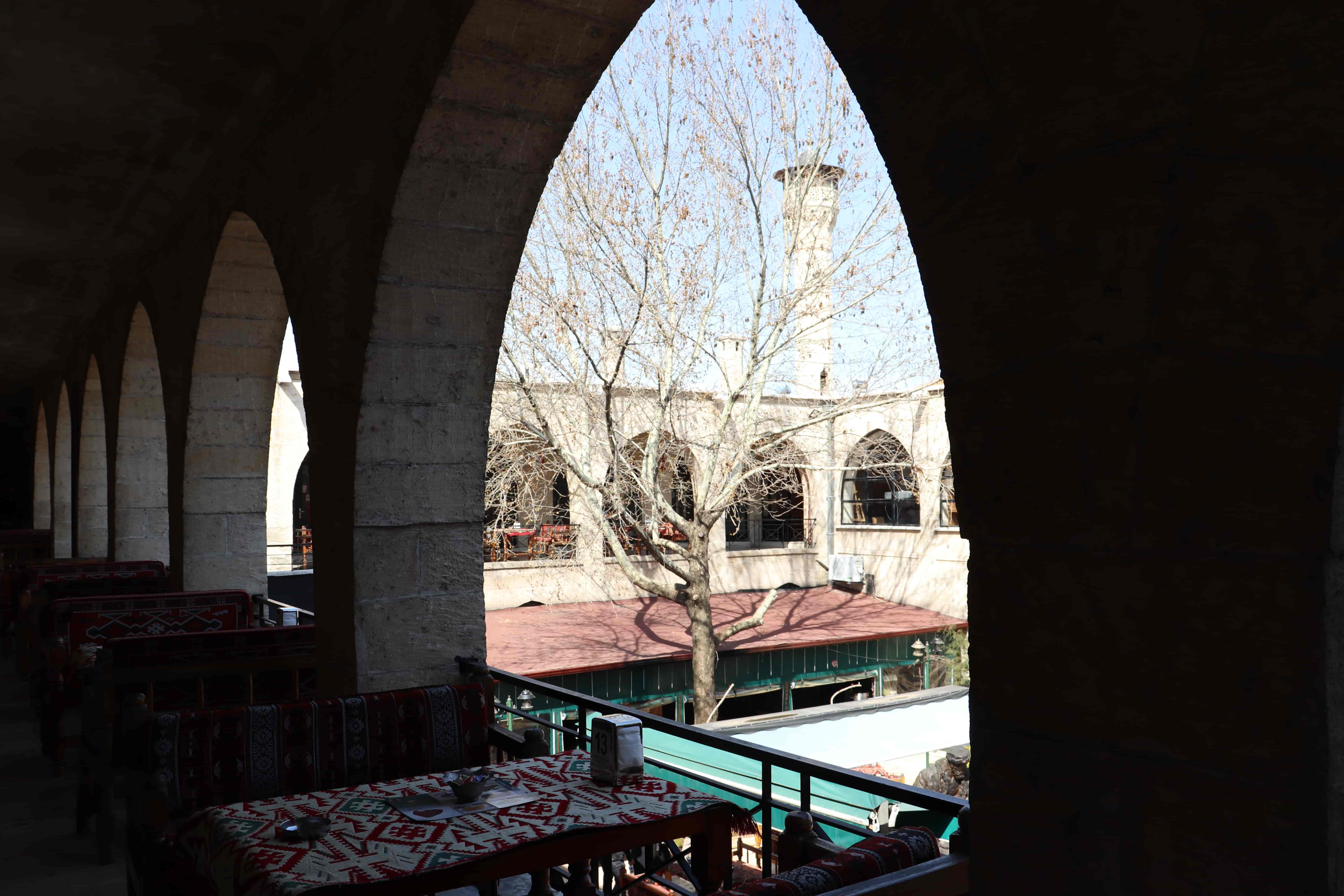
Lala Mustafa Paşa Hanı was built by Lala Mustafa Paşa between 1571 and 1572. Initially constructed as a dark bazaar, it has evolved into its current form over time with various additions. The inn, which has a typical Ottoman caravanserai plan, features stables and merchant rooms on the ground floor surrounding the courtyard, while accommodation rooms are located on the upper floor. Throughout history, the structure has served as a caravanserai, a production and sales site for kutnu fabric, a weapons factory during the defense of Antep, and an olive oil workshop. Today, it functions as a marketplace where traditional handicrafts are preserved. In the courtyard, there is a dervish figure in memory of Ayd-i Baba, who lived here.
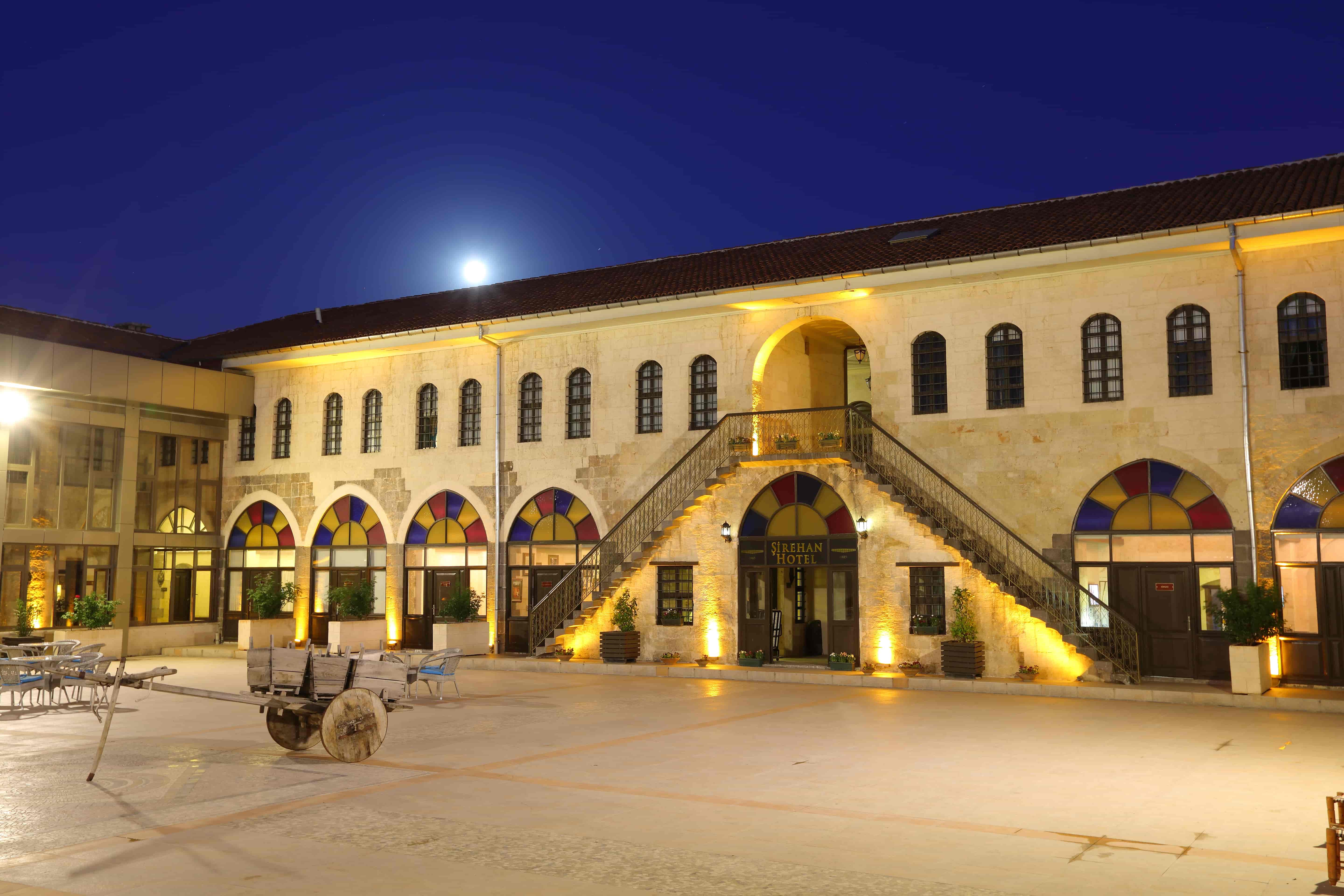
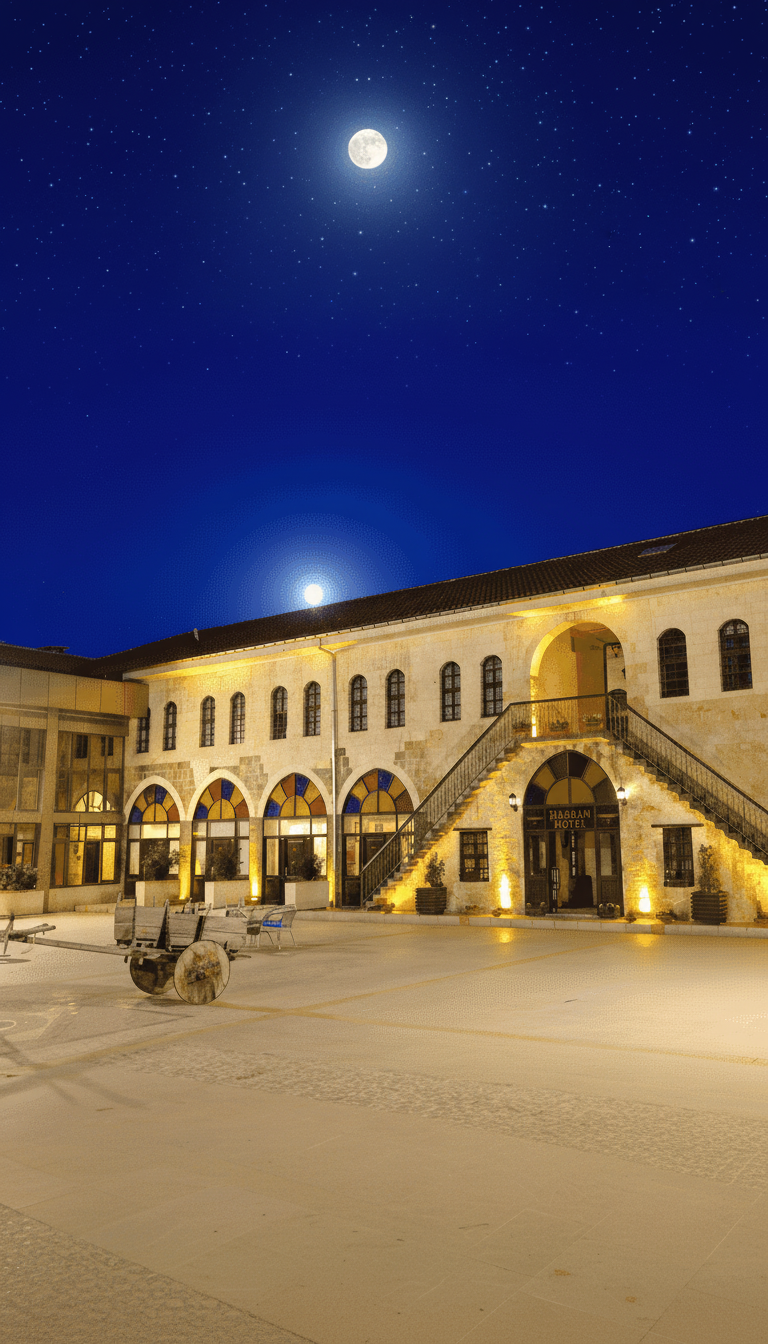
The inn was built in 1885–1886 by the order of the Governor of Aleppo, Cemil Bey, by Kaymakam Rüstem Bey and Mayor Mustafa Ağa. The architect was Kirkor, and the engraver was Abbas. The structure is a single courtyard, two-story building that carries the characteristics of classical Ottoman inn architecture. The ground floor contains shops, storage, and stables; the upper floor has passenger rooms. The courtyard is surrounded by buildings on all sides. Initially, there was a well in the middle, which was later replaced by a fountain. The upper floor is surrounded by porticos on three sides.
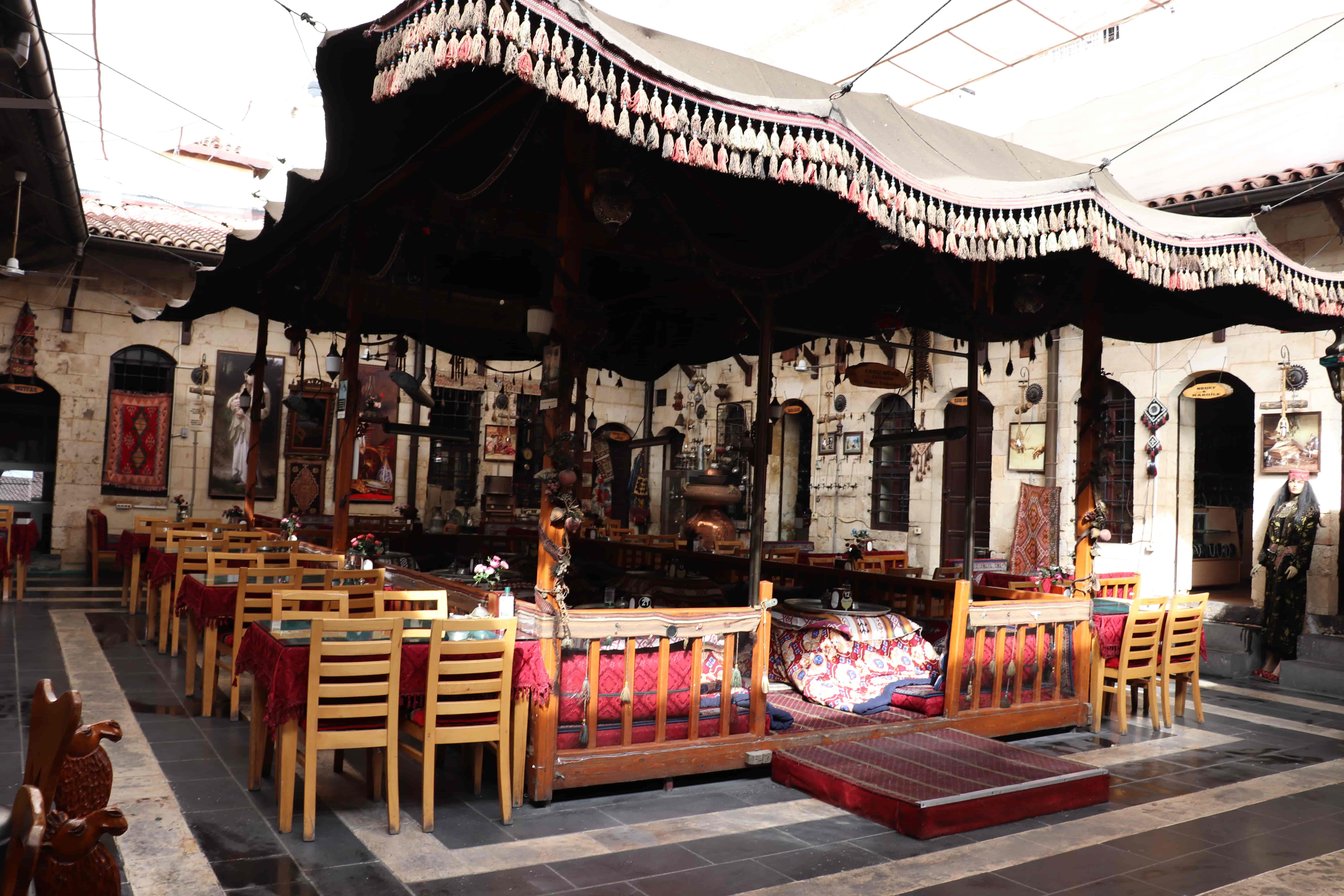
There is no construction inscription for Tütün Hanı. However, it is mentioned in the 1754 records of the Sharia Court, and it is understood that tobacco trade was conducted here before that date. This indicates that the inn was built before the mid-18th century. The first known owner in the 19th century was Hüseyin Ağa. The inn was restored by the Regional Directorate of Foundations in 2007.
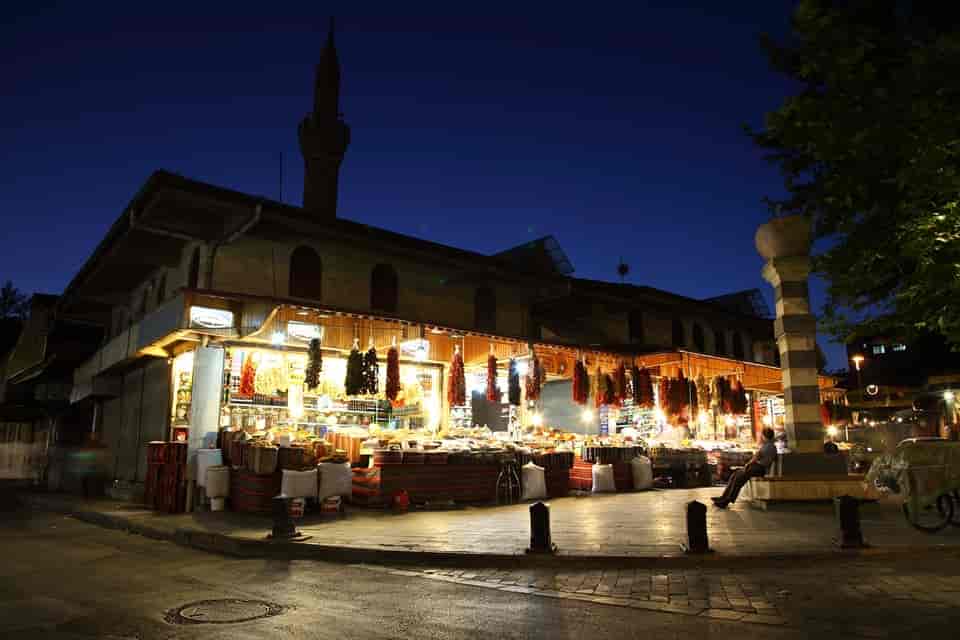
Almacı Pazarı, one of the most colorful stops in Gaziantep's historical trade fabric, takes its name from the apples and various fruits that were heavily sold here in the past. With its stone-arched shops, narrow streets, and stalls displaying spices, dried fruits, and local products unique to Antep, it is a popular spot for both locals and visitors. The market, which has preserved the bazaar culture for centuries, carries Gaziantep's cultural heritage into the present with its authentic atmosphere.