

EN
✨ Hi, ask me a question!
Assistant
EN
Assistant
117 km
Distance
600 dk
Duration
4
Stops
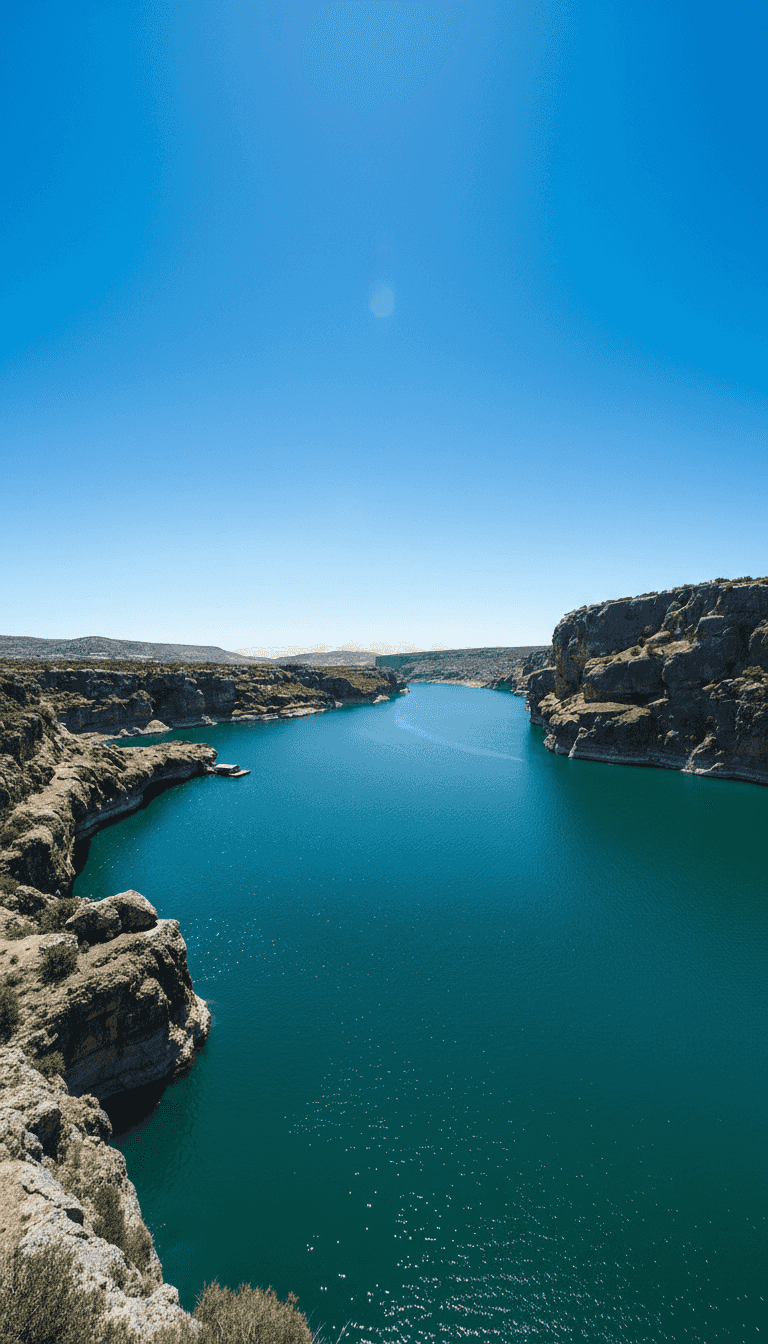
We begin our adventure-filled two days at @Rumkale. Rising on steep cliffs where the Euphrates River meets the Merziman Stream, this ancient fortress is a silent witness to thousands of years of history. Part of a strategic chain of fortresses during the Assyrian, Roman, Byzantine, and Ottoman periods, Rumkale is also believed to have housed one of the earliest copies of the Bible. The view from the top, where the turquoise waters of the Euphrates wind through deep valleys, is an experience beyond words. For breakfast, the delicious @Antep Katmeri with clotted cream and pistachio gives you a strong start to your journey.
From Rumkale, we take a boat tour along the magnificent valleys of the Euphrates. Each curve of the river reveals a new landscape: red cliffs, green-covered slopes, and eagles soaring in the sky. As you descend deeper into the canyon, the silence of the water and the vastness of nature create a sense of awe. For lunch, you can stop by the shore and taste @Patlıcan Kebabı, the perfect harmony of roasted eggplant and lamb.
We start the second day at @Habeş Canyon. One of Gaziantep’s most impressive natural formations, this canyon is a favorite for adrenaline lovers with its deep ravines and suspension bridge. The sound of the stream and the light filtering between high cliffs create a mystical atmosphere.
Our final stop is @Zeugma Ancient City. Once one of the richest settlements of the Roman East, located along the Euphrates, Zeugma reveals the importance of this region as a meeting point of civilizations and trade routes. The villa remains uncovered during excavations highlight its historical richness. We end our two-day adventure with the unique flavor of @Onion Kebab, where finely sliced lamb is cooked inside onion layers.
1. Day
2. Day
1. Day
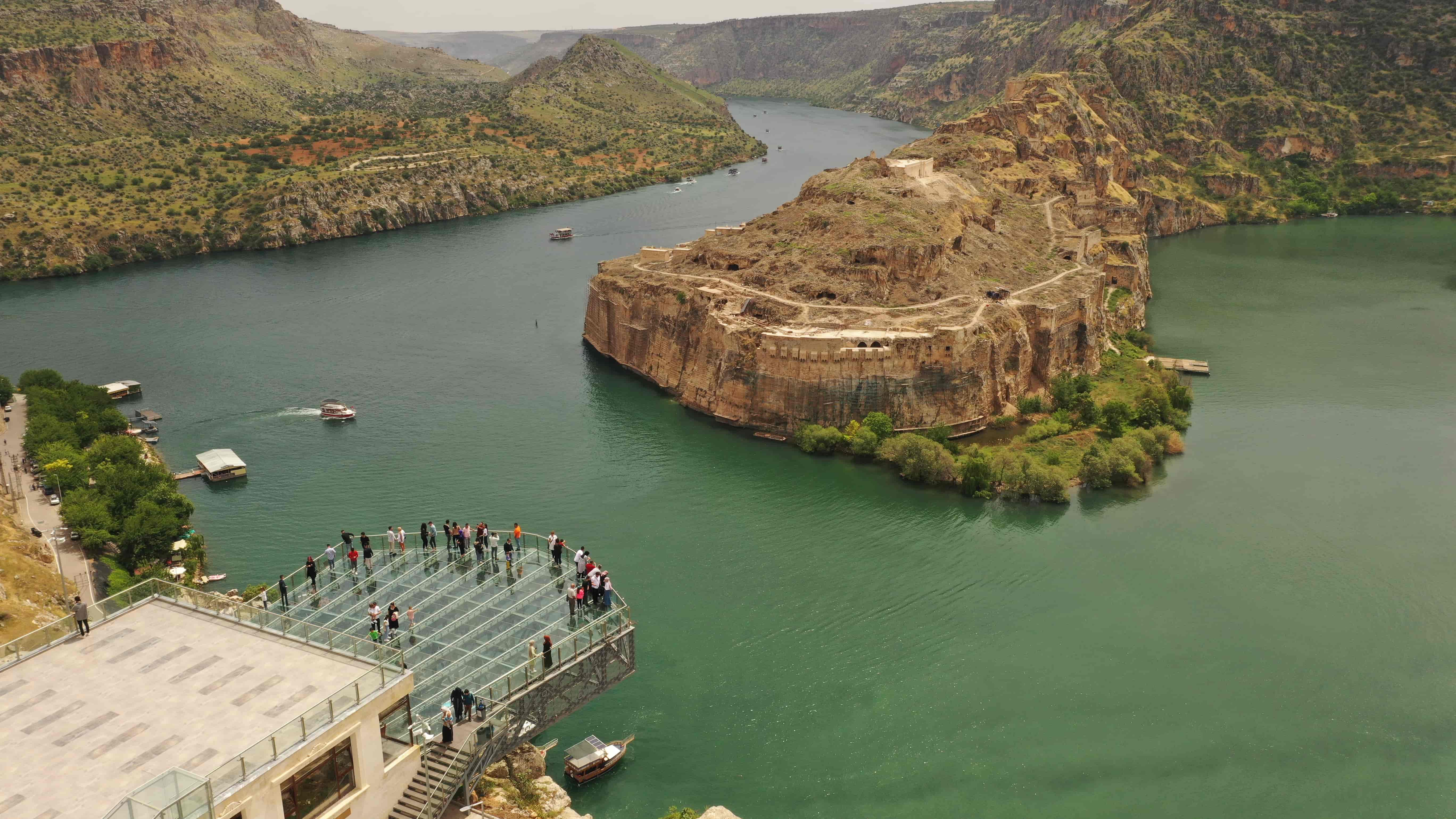
Located within the borders of Yavuzeli District of Gaziantep Province, Rumkale is on steep rocks at the confluence of Merzimen Stream with the Euphrates River.
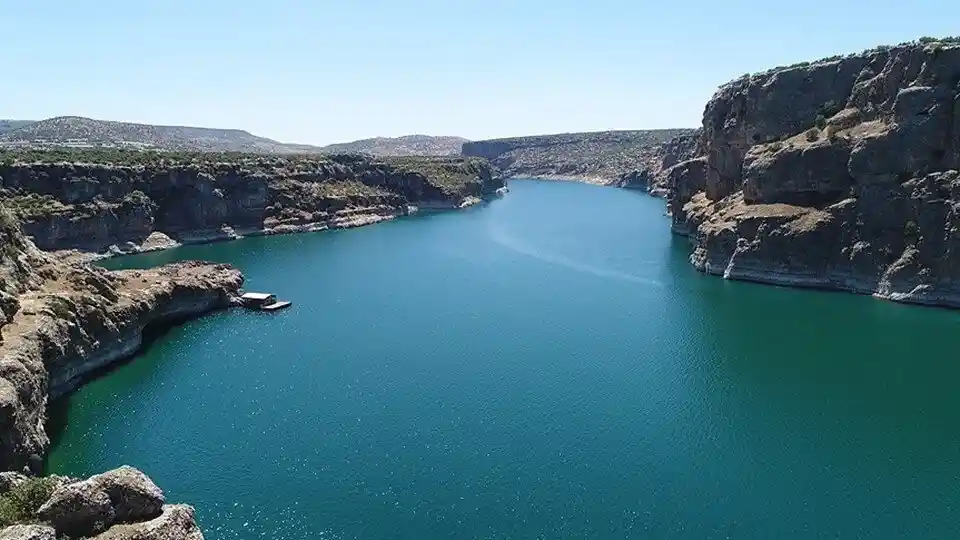
The Euphrates is one of the largest rivers in Turkey. It collects a significant portion of the waters flowing from the mountains in Eastern Anatolia. After a journey of thousands of kilometers, it reaches the shores of Şanlıurfa and then continues to Syria and Iraq. Ultimately, it merges with the Tigris and flows into the Persian Gulf. The Euphrates River also brings water and life to the region. In Western languages, the Euphrates River is referred to as Euphrates. The name Euphrates comes from a Greek word. It has hosted many civilizations throughout its basin.
2. Day
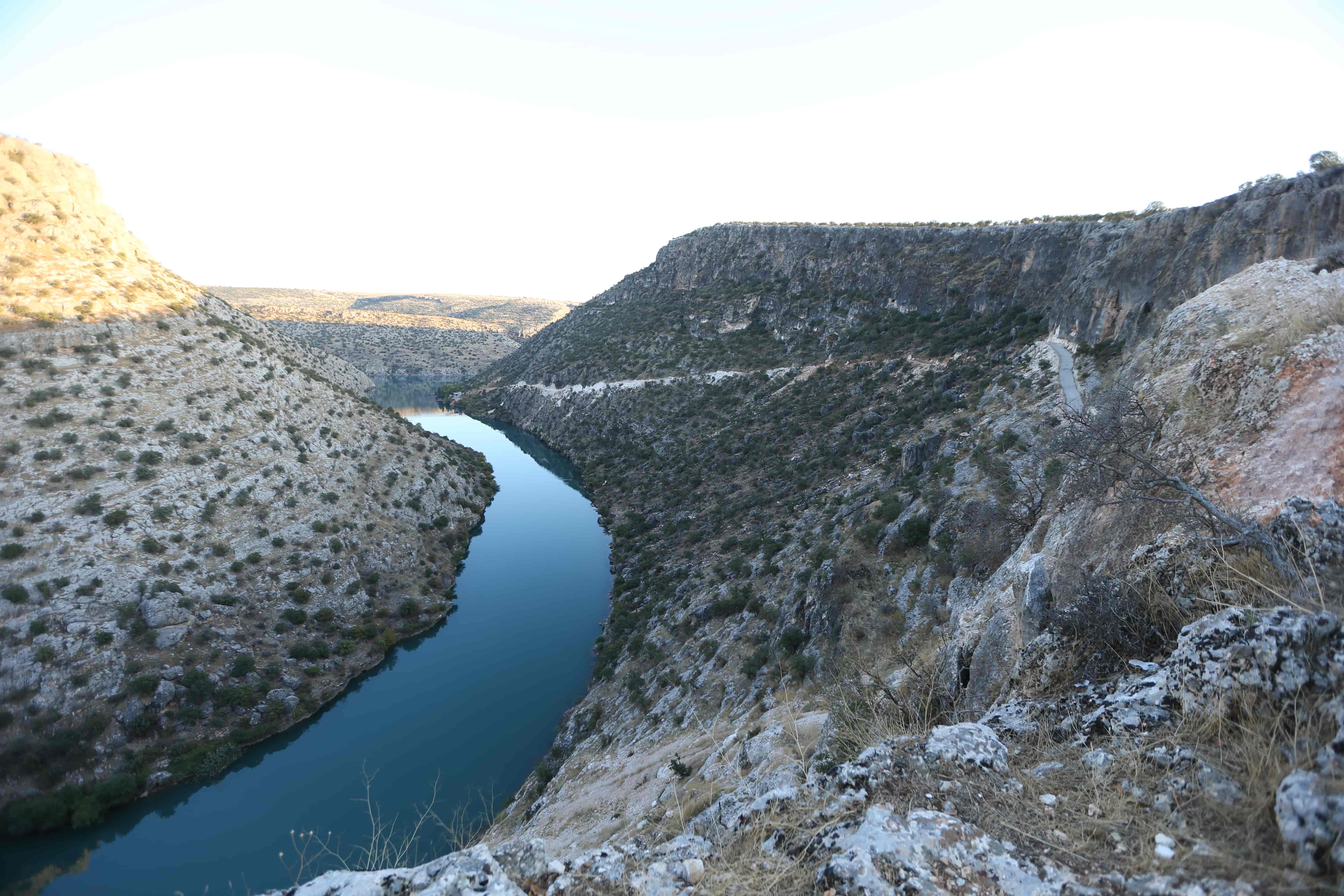
The canyon, located 21 km from the Araban district, begins at the Septimus Severus Bridge, which dates back to the Roman Period. If you walk south of Habeş Canyon, you can see the Roman road leading to the bridge; after a short distance, you arrive at the point where the canyon has its most beautiful U-shaped view. In the northeastern part of the same area, a rock with a Hittite relief can be seen.
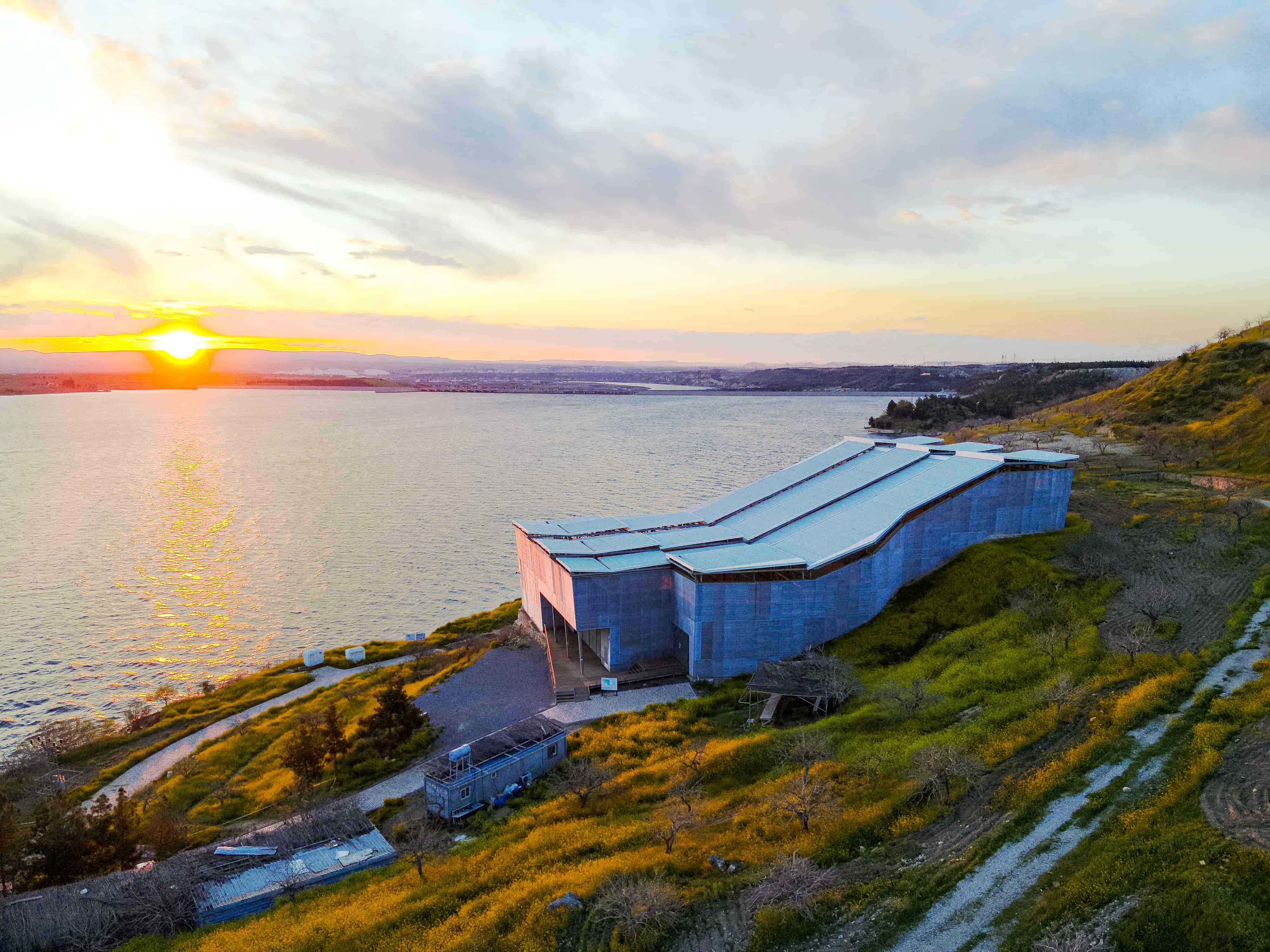
Zeugma is an important military and commercial center established at a strategic crossing point on the Euphrates River. Founded during the Hellenistic Period by Seleucid King I. Seleucus Nikator, it takes its name from the word 'Zeugma,' meaning 'crossing.' The city became a significant military base on the eastern frontier during the Roman period and experienced its wealthiest period particularly in the 2nd century A.D. It suffered great destruction due to the attack of Sasanian King I. Shapur in A.D. 253. Excavations between 1993 and 2003 uncovered numerous villas and famous floor mosaics. These mosaics, depicting mythological and daily life scenes, have made Zeugma an important center in terms of world cultural heritage. A portion of the ancient city was submerged under the waters of the Birecik Dam in 2000. Excavations are still ongoing.