

EN
✨ Hi, ask me a question!
Assistant
EN
Assistant
191 km
Distance
960 dk
Duration
22
Stops
This comprehensive route allows you to explore Gaziantep’s cultural, historical, and natural heritage over five days.
Day 1: Focuses on traditional life and historical heritage. The journey begins with Panorama 25 December Gaziantep Defense Heroism Panorama and Museum, Kayna Soap and Molasses Museum, and Gaziantep Bath Museum. Millet Inn, Customs Inn, and Pürsefa Inn reflect the Ottoman commercial life. Bakırcılar Bazaar and Almacı Market offer local crafts and flavors. A cultural break at Tahmis Coffee House is followed by Udma Cheese Museum and Restaurant and Kozluca Kastel, ending the day with traditional production and historic water structures.
Day 2: Dedicated to archaeology and culture. Zeugma Mosaic Museum offers an impressive experience with ancient mosaics. Turkish Archaeology and Cultural Heritage Institute, Bey Neighborhood, and Gaziantep Atatürk Memorial Museum showcase the Republican era and cultural heritage. Ali İhsan Göğüş Museum and Gaziantep Research Center and Gaziantep Toy and Game Museum offer nostalgic experiences.
Day 3: Focuses on history and entertainment. Şahinbey National Struggle Museum reveals heroic stories of the city. İhsanbey Mosque offers traditional architecture. Gaziantep Wildlife Park is especially enjoyable for families.
Day 4: Nature and scenery day. Rumkale Glass Viewing Terrace and Rumkale Boat Tour offer panoramic views of the Euphrates River and the historic castle.
Day 5: Ends with archaeological and natural heritage exploration. Yesemek Open Air Museum showcases ancient stone craftsmanship, Tilmen Höyük reveals prehistoric cultures, and the day ends at Sakçagözü Waterfall with natural scenery.
This route is ideal for experiencing Gaziantep’s cultural, historical, and natural richness in one journey.
1. Day
2. Day
3. Day
4. Day
5. Day
1. Day
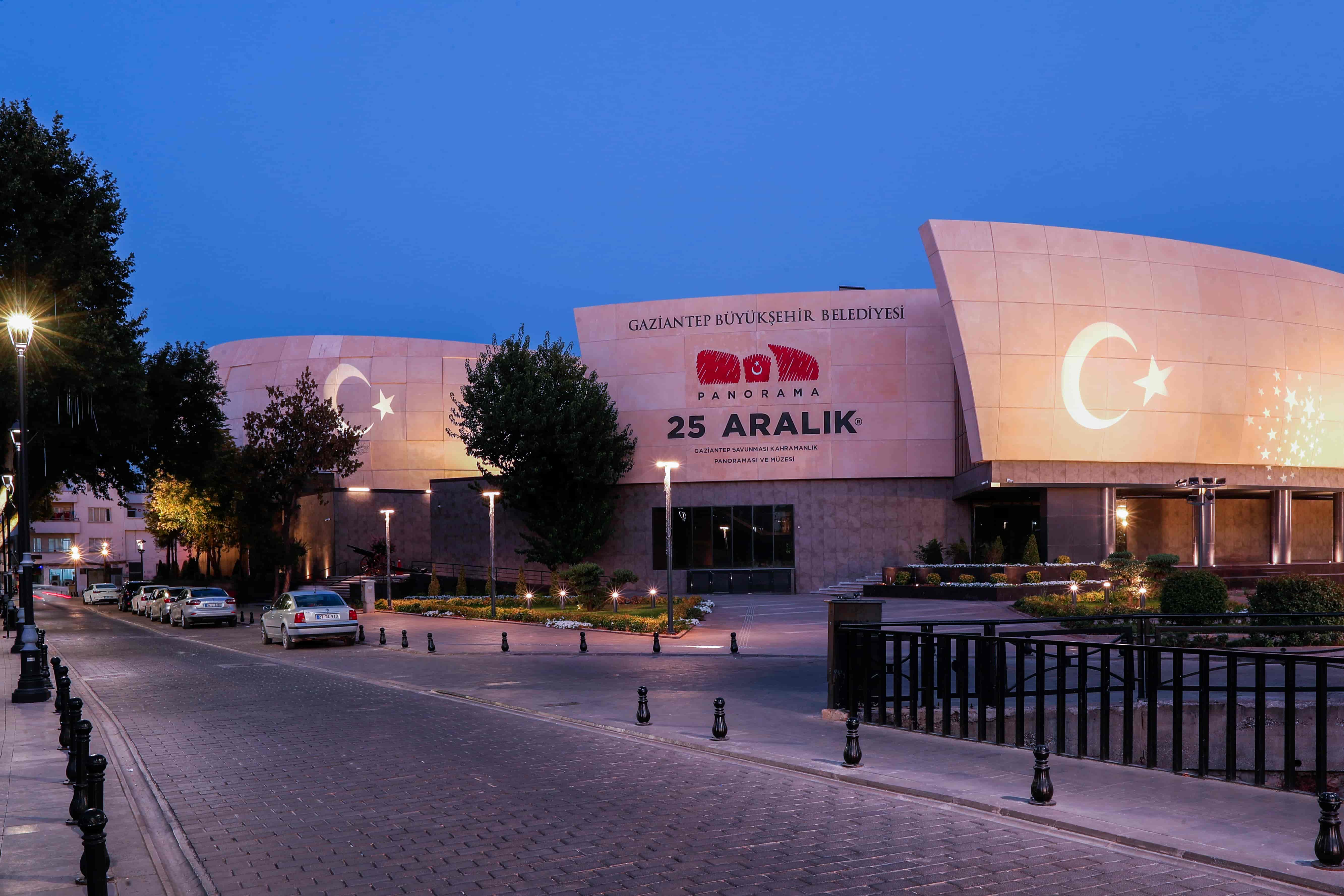
Panorama 25 December Gaziantep Defense Heroism Panorama and Museum, which reveals all aspects of the defence shown by the people of Antep against the British and French occupation, serves with a full panoramic painting 12 meters high and 120 meters long, 3 dioramas, 13 paintings, and museum exhibition area and Conference Hall. In addition, there are Gaziantep History Research Centre, souvenir shops, children's playgrounds, cinevision room, cafe and restaurant sections in the museum garden.
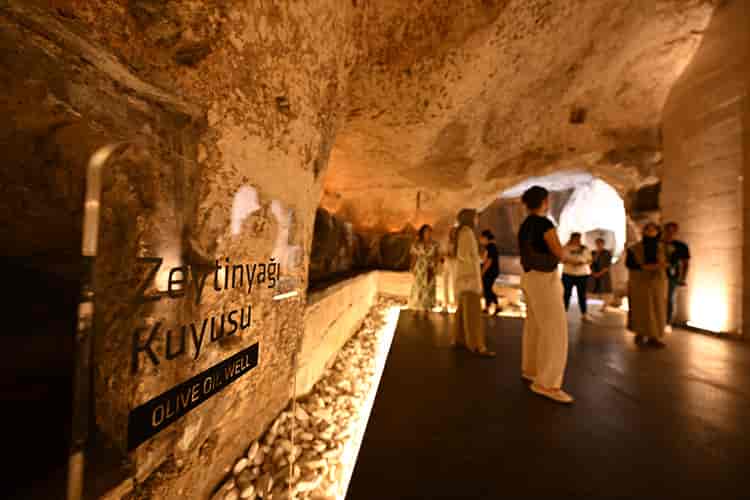
The building, which was restored by Gaziantep Metropolitan Municipality, serves as Kayna Soap and Molasses Museum in order to transfer the production of grapes, soap and molasses from the past to the present. The museum explains the process of making soap and molasses through visual materials, video presentations and interactive information kiosks. It is a museum inspired by the traditional boiling techniques used in the production of soap and molasses.
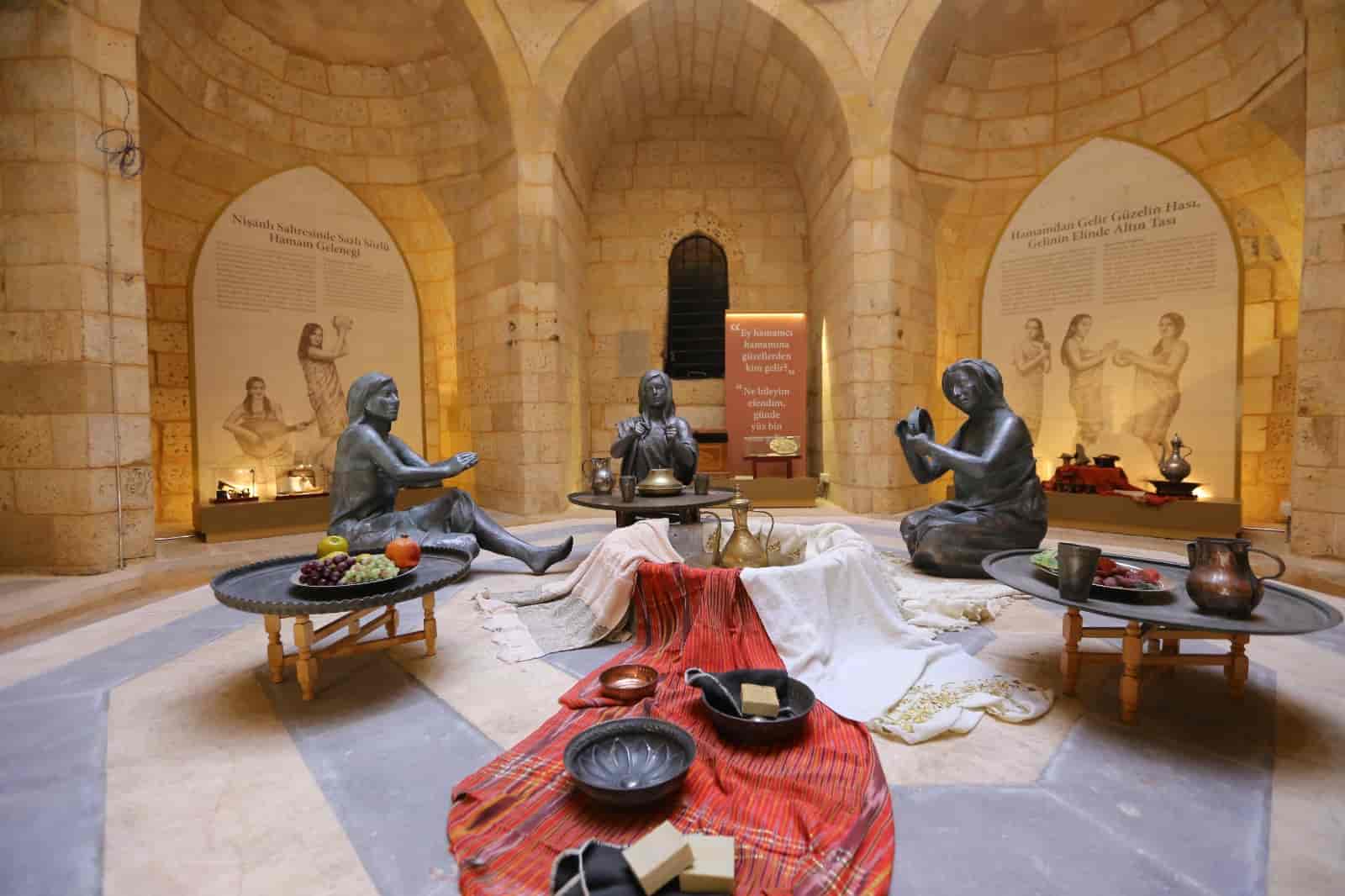
The structure reflecting the example of Ottoman bath architecture and culture is part of the complex built by Lala Mustafa Paşa. It dates back to 1577 and served for many years as 'PAŞA HAMAMI'. In 2015, the bath was transformed into a museum showcasing Gaziantep's bath culture, featuring sections of the bath, tools used, as well as wax sculptures and models illustrating bath rituals.
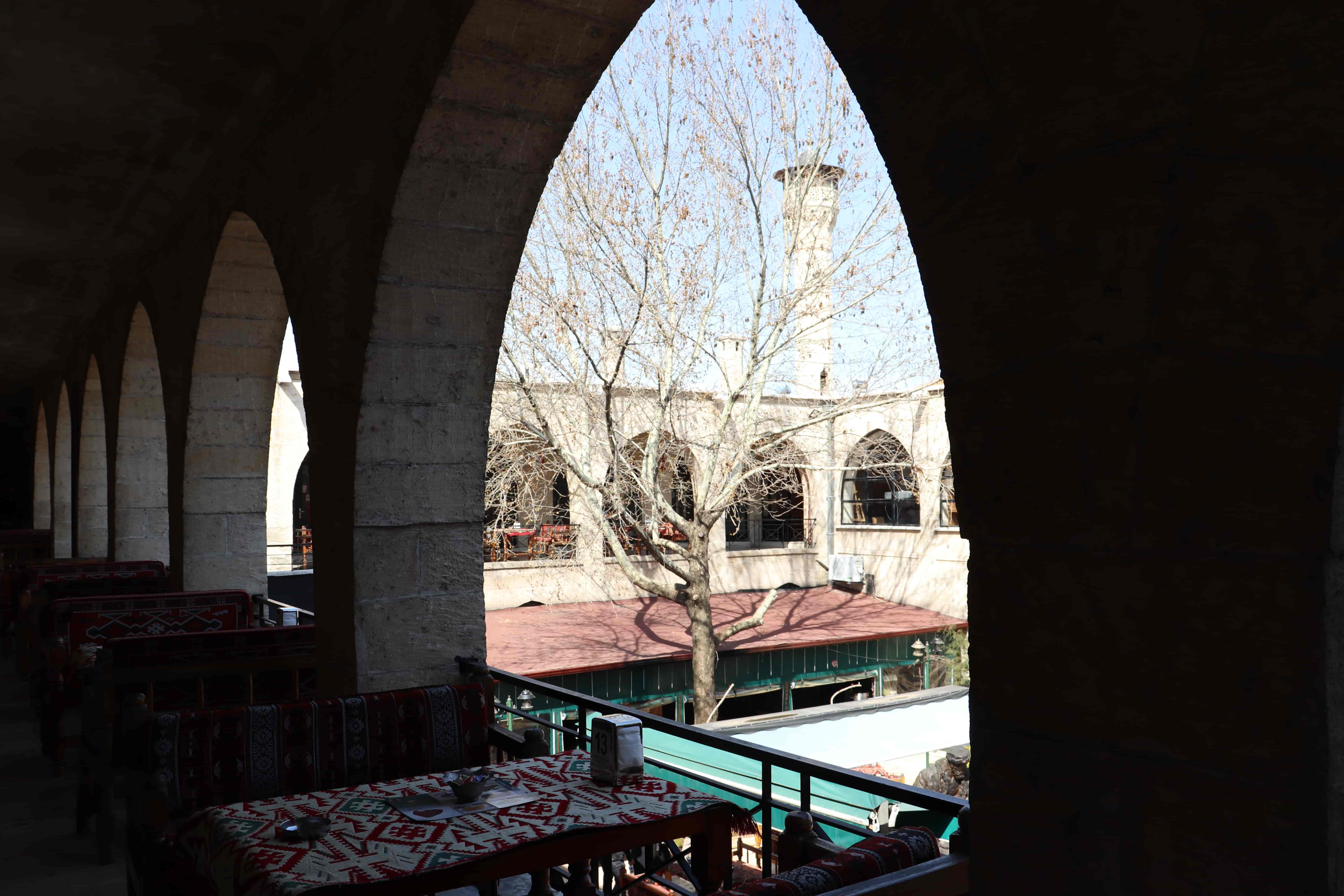
Lala Mustafa Paşa Hanı was built by Lala Mustafa Paşa between 1571 and 1572. Initially constructed as a dark bazaar, it has evolved into its current form over time with various additions. The inn, which has a typical Ottoman caravanserai plan, features stables and merchant rooms on the ground floor surrounding the courtyard, while accommodation rooms are located on the upper floor. Throughout history, the structure has served as a caravanserai, a production and sales site for kutnu fabric, a weapons factory during the defense of Antep, and an olive oil workshop. Today, it functions as a marketplace where traditional handicrafts are preserved. In the courtyard, there is a dervish figure in memory of Ayd-i Baba, who lived here.
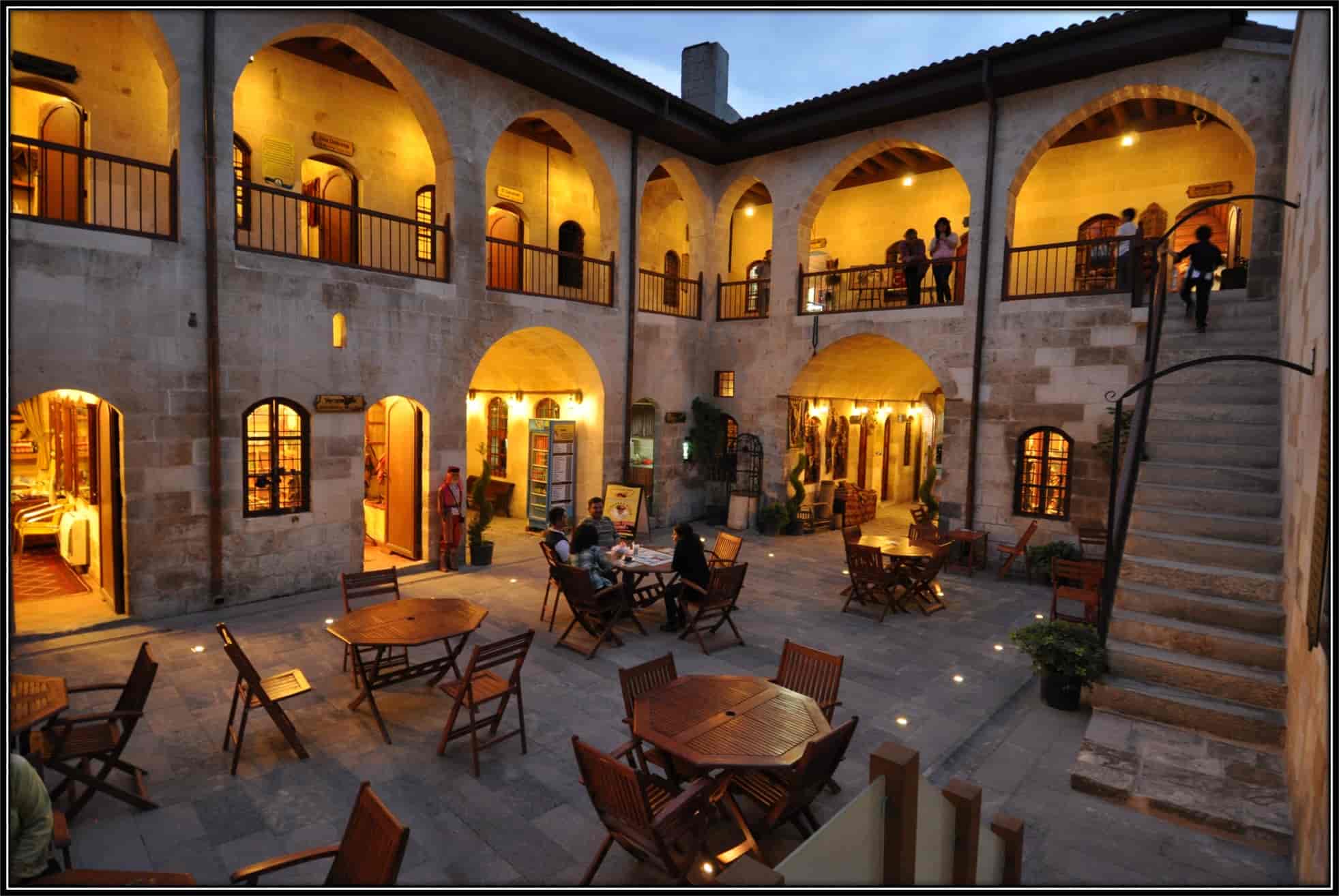
The inn located on Gümrük Street in Şekeroğlu Neighborhood was historically used as a caravanserai. It has been restored by Şahinbey Municipality to serve as a center for promoting and transferring endangered handicrafts to future generations, and has been opened to service as the 'Living Museum Historical Customs Inn'.
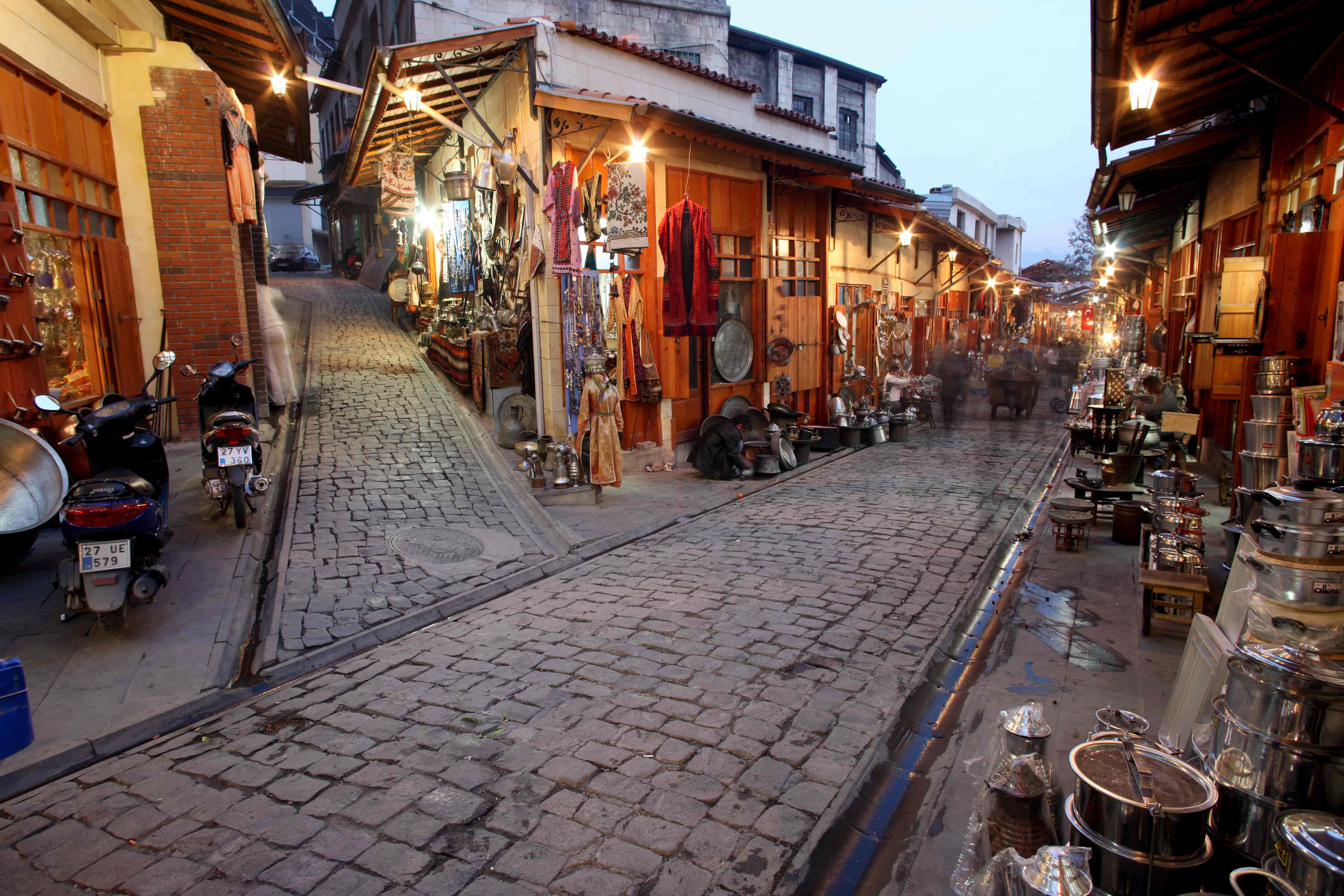
Generally referred to as the Copper Bazaar, it is a complex of bazaars where many artisans produce their crafts. Although the exact construction date of the shops located in the Copper Bazaar is not known, it is believed to have been built in the 16th century. The bazaar consists of single-story shops and is located within the caravanserai district. The art of copperworking, which gives the bazaar its name, continues to thrive intensely today.
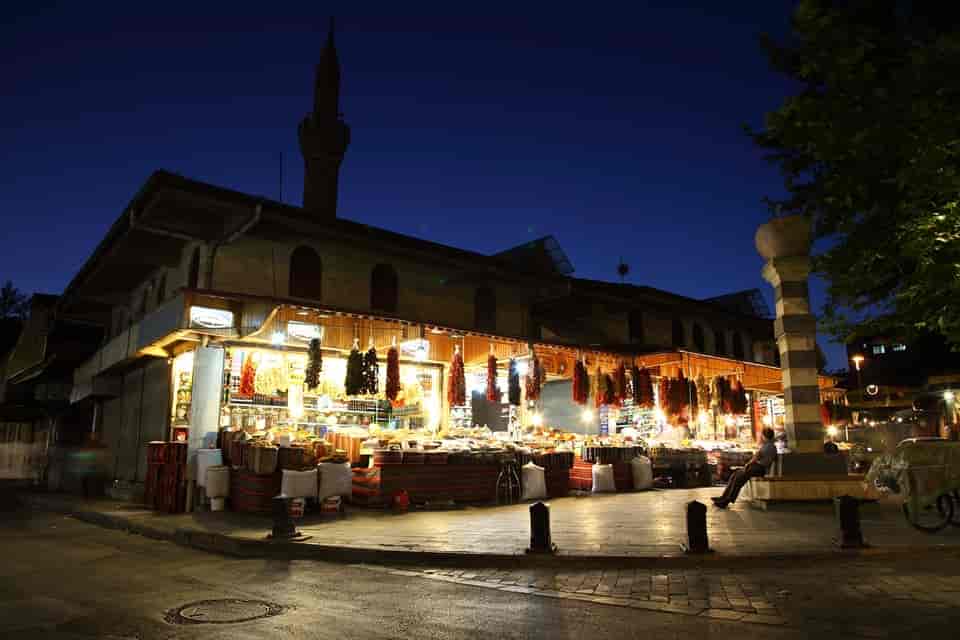
Almacı Pazarı, one of the most colorful stops in Gaziantep's historical trade fabric, takes its name from the apples and various fruits that were heavily sold here in the past. With its stone-arched shops, narrow streets, and stalls displaying spices, dried fruits, and local products unique to Antep, it is a popular spot for both locals and visitors. The market, which has preserved the bazaar culture for centuries, carries Gaziantep's cultural heritage into the present with its authentic atmosphere.
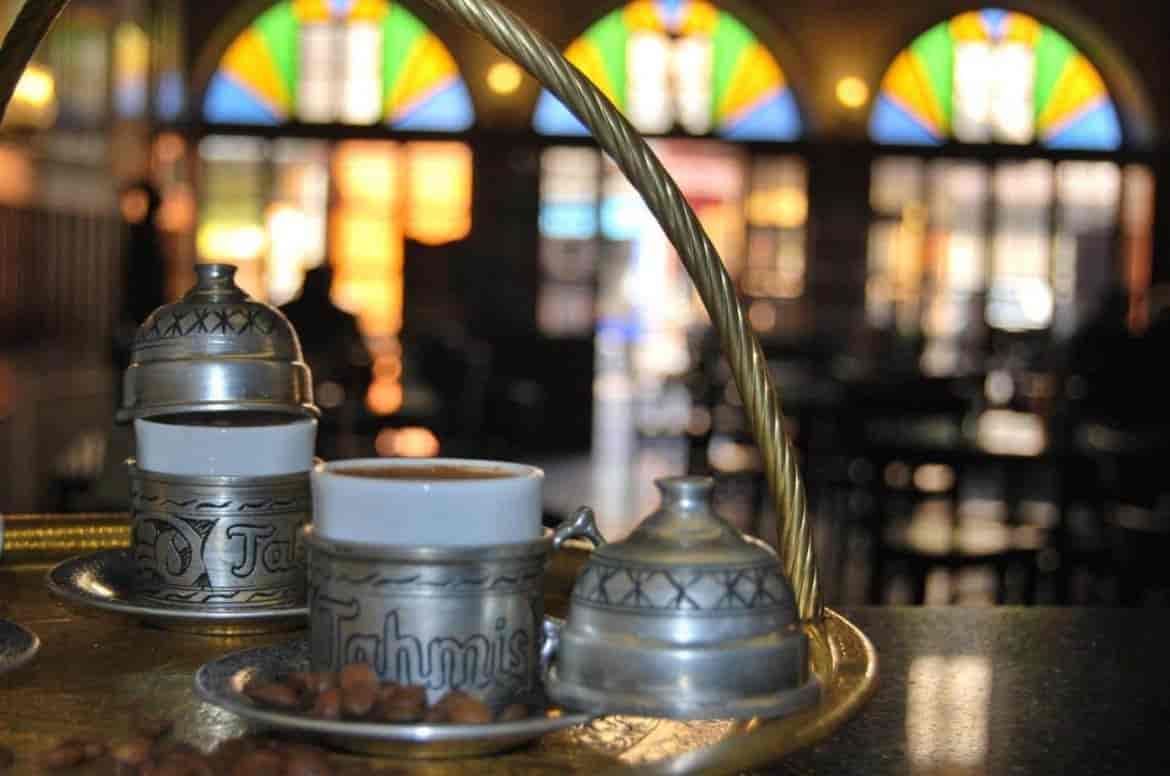
Tahmis Kahvesi, built in 1638 by Mustafa Aga, a Turkmen Aga and Sancak Beyi, to bring income to the lodge (Mevlevikhane), is a two-storey building full of memories. Tahmis means ‘the place where coffee is pounded’. According to a narrative, Murat IV rested here during the Baghdad Expedition and was served coffee at Tahmis Coffee House.
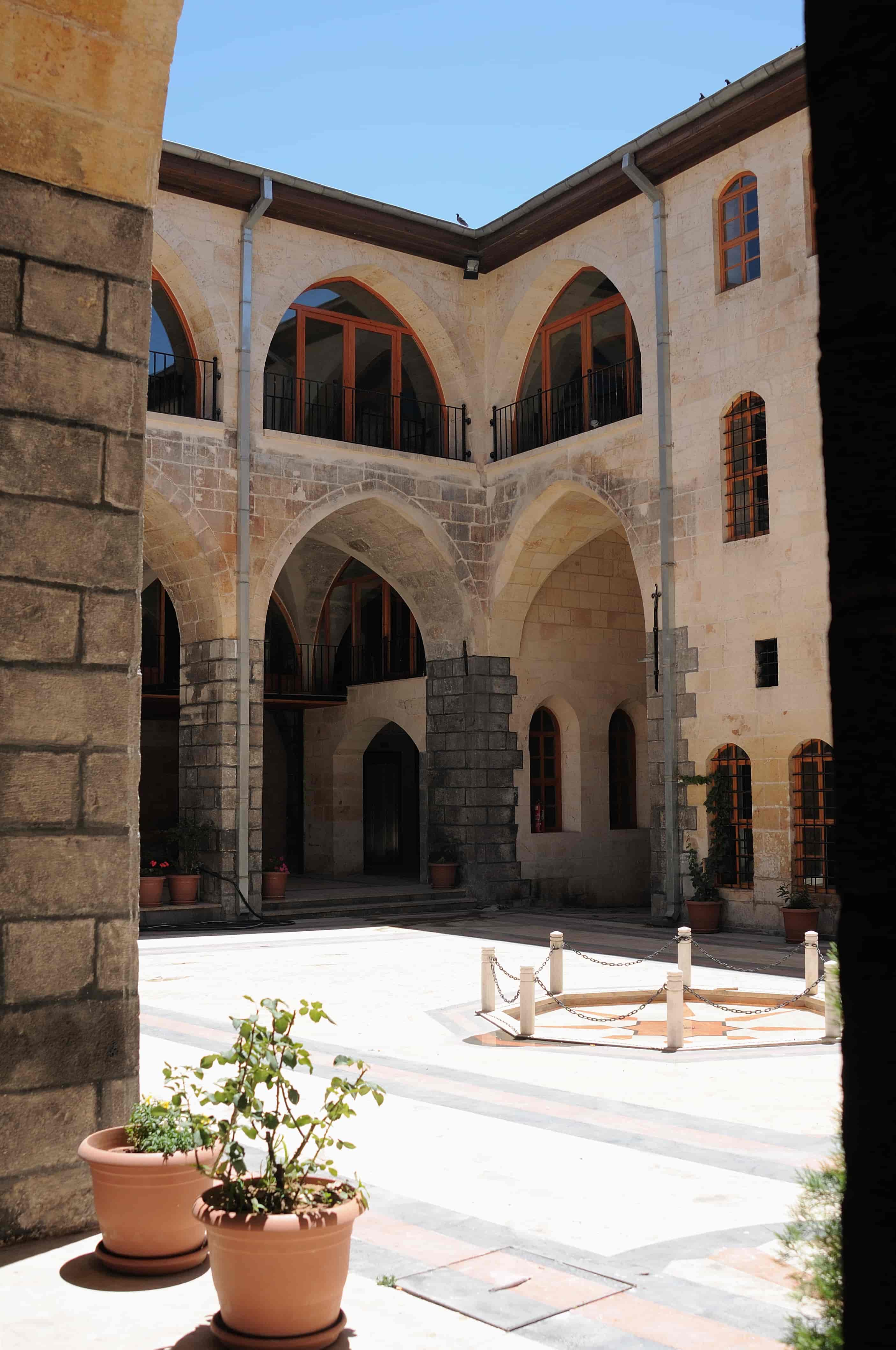
Located across from the Gaziantep Mevlevihanesi, the inscription on the door of Pürsefa Han states that it was built in 1887. However, it is estimated that the original construction date is about 400 years earlier. Throughout history, the inn has been used for various purposes such as accommodation and soap manufacturing, and it was restored in 2008 to be brought back to Gaziantep. Today, it serves as a tourist destination with shops selling souvenirs, restaurants, cafes, and confectionery shops.
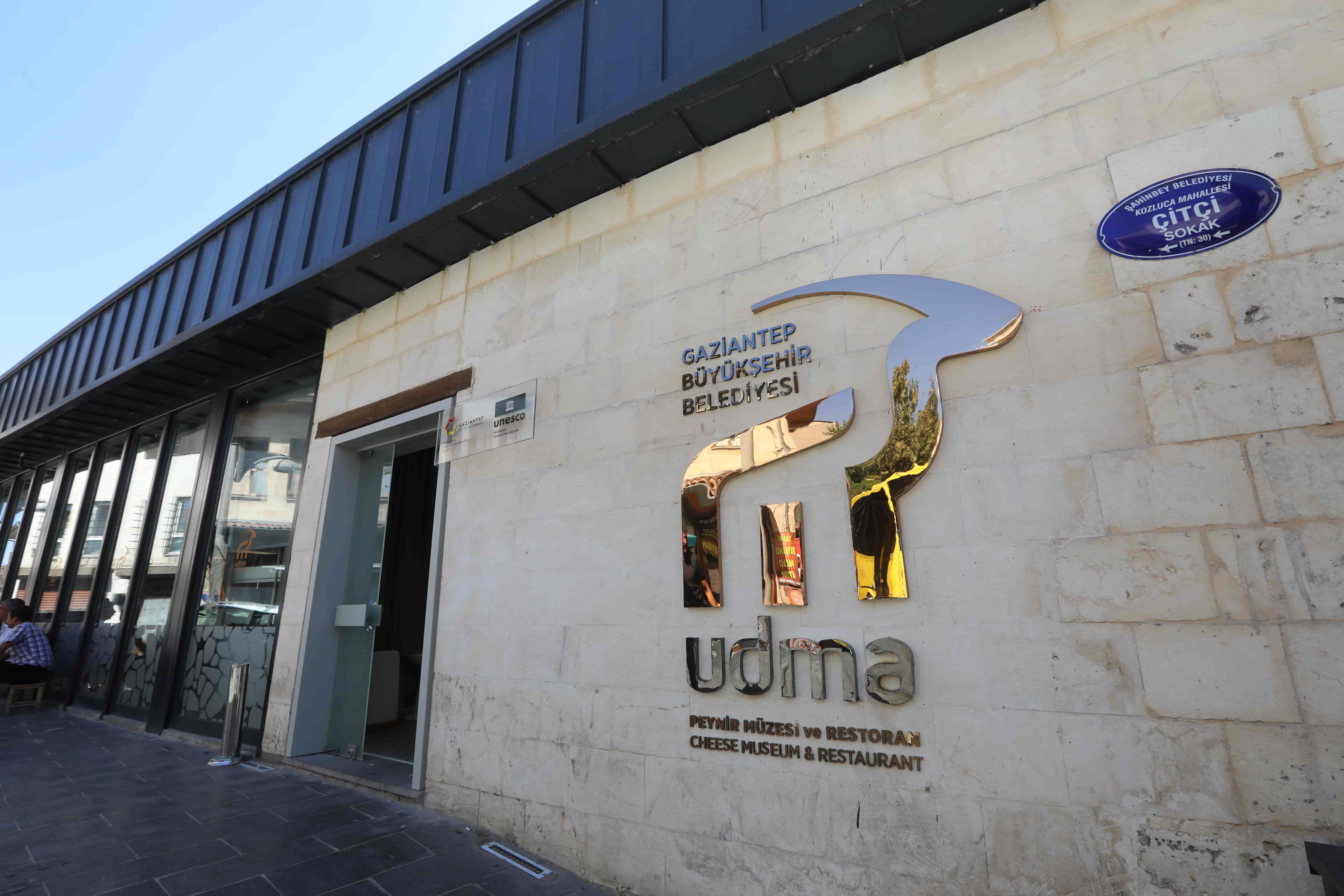
Gaziantep Metropolitan Municipality Udma Cheese Museum Restaurant; is a complex formation in one of Gaziantep's oldest double baths. The museum is commonly referred to as 'Eski Hamam' or 'Pazarcık Hamamı' and dates back to the 14th century. Within a historical atmosphere, the history of Antep cheese is conveyed to visitors room by room. It hosts visitors with simulation displays of the fermentation elements, containers, and models of Antep cheeses related to the registered Antep Cheese.
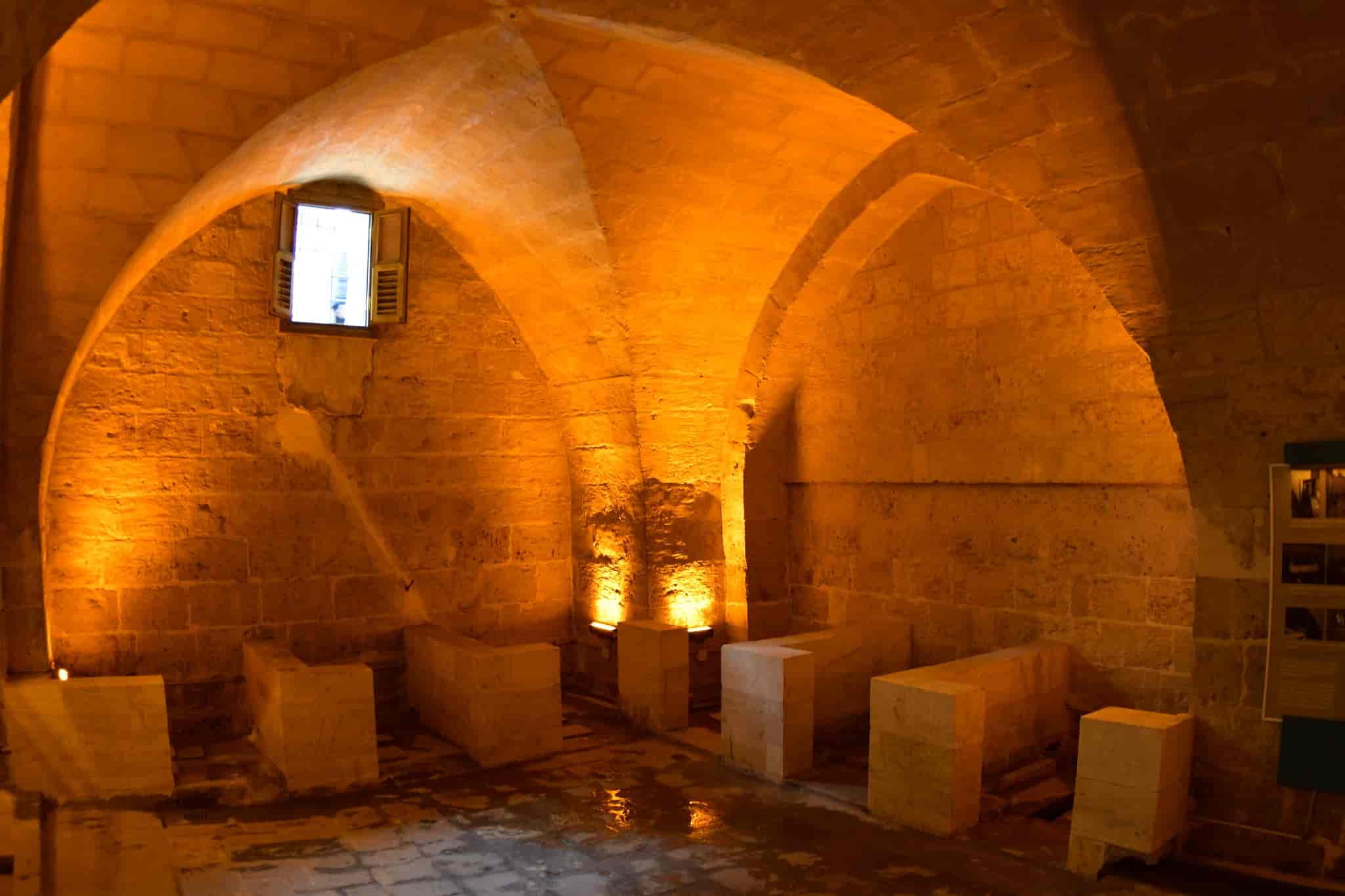
Dating to the 16th century, the kastel was built next to the mosque and it is thought that it was built to meet the water needs of the masjid. During the excavations, water pipes made of terracotta (kunks) and livas, which were used for draining swamps, discharging the water accumulated in a spot, and collecting the underground water, were found.
2. Day
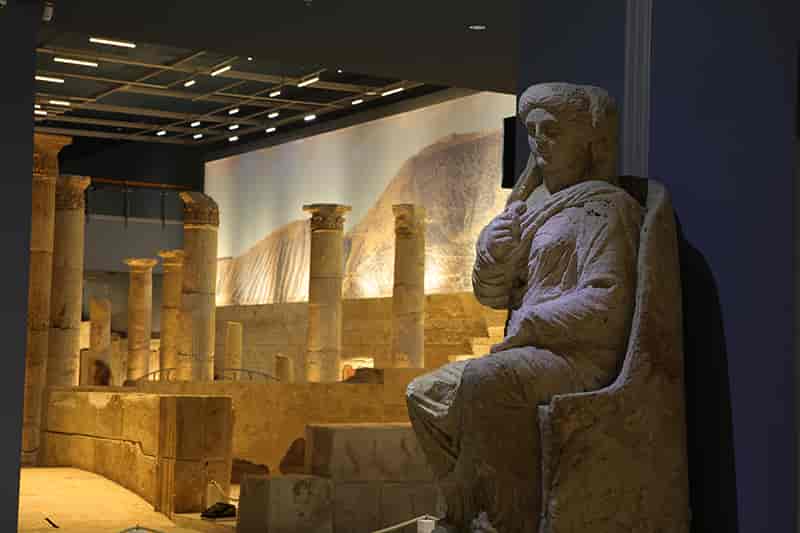
Gaziantep Zeugma Mosaic Museum is the largest mosaic museum in the world in terms of the colour scale of the mosaics exhibited. In the museum, which is one of the important museums in the world with its original exhibition organised according to the modern museology concept, approximately 3000 m² of mosaics, which were excavated from the ancient city of Zeugma located on the banks of the Euphrates River and whose restoration and conservation have been completed so far, are displayed.
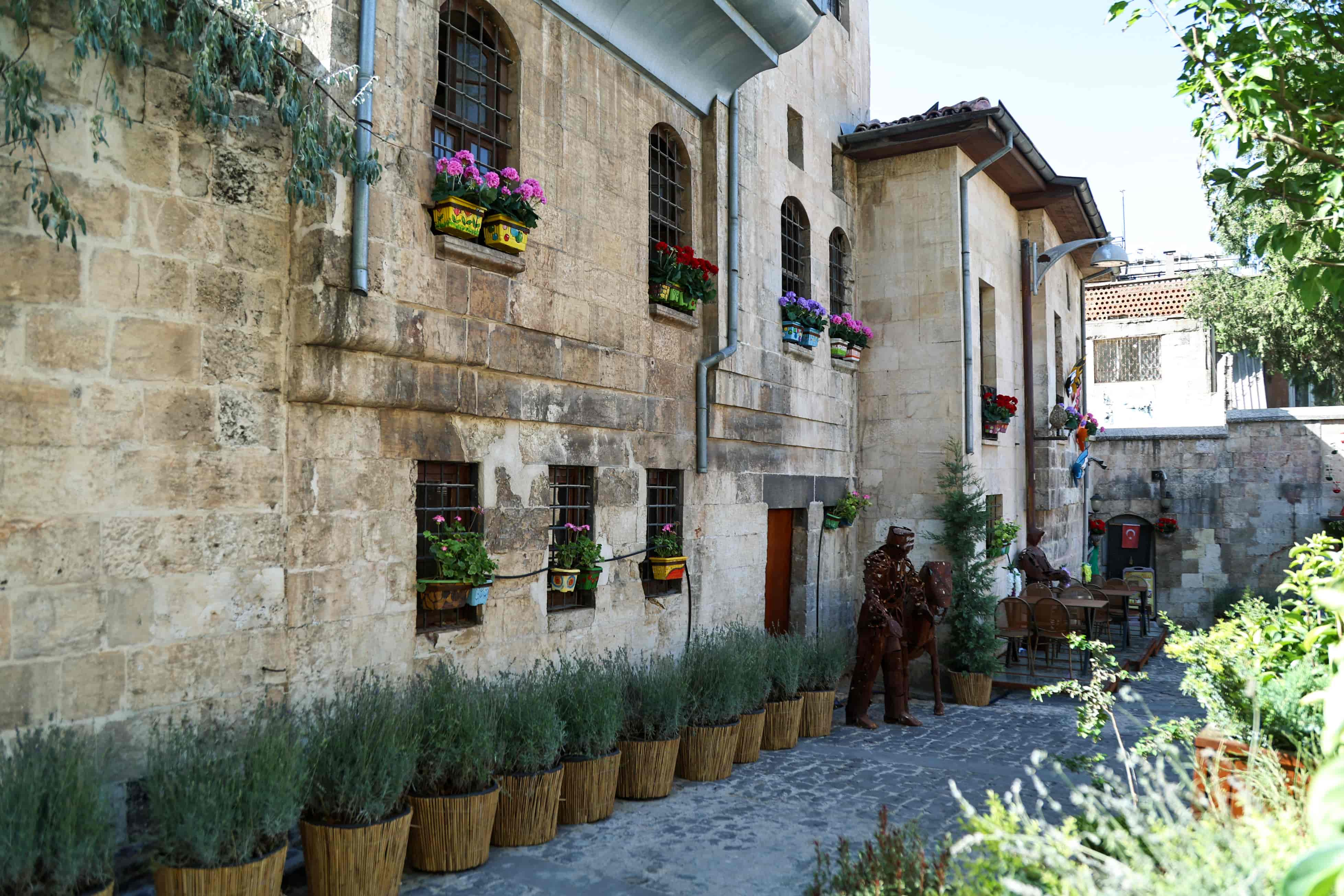
Bey Neighborhood is a neighborhood established in the city center of Gaziantep's Şahinbey district. The neighborhood is often home to historical Antep houses. Most of the historical houses in this neighborhood have been recently restored. Additionally, Mustafa Kemal Atatürk's identity card is registered in Bey Neighborhood.
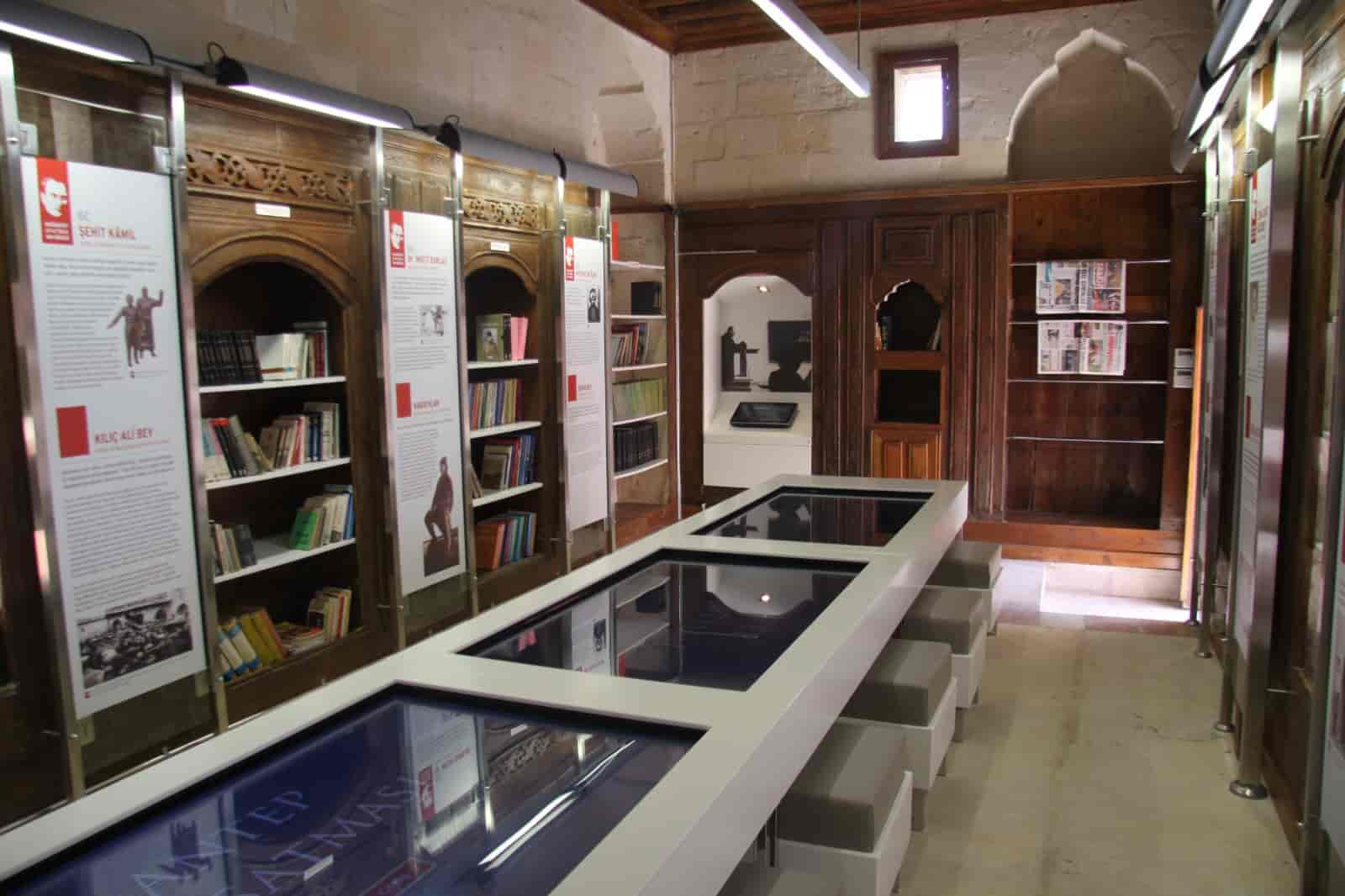
Located in the historical Bey neighbourhood, the museum consists of two parts. In the first part of the building, similar to the place where Atatürk stayed in Gaziantep, originals of the personal belongings he used are exhibited. In the second section, Atatürk Research Library and the heroes of Antep defence are explained with cinevision shows.
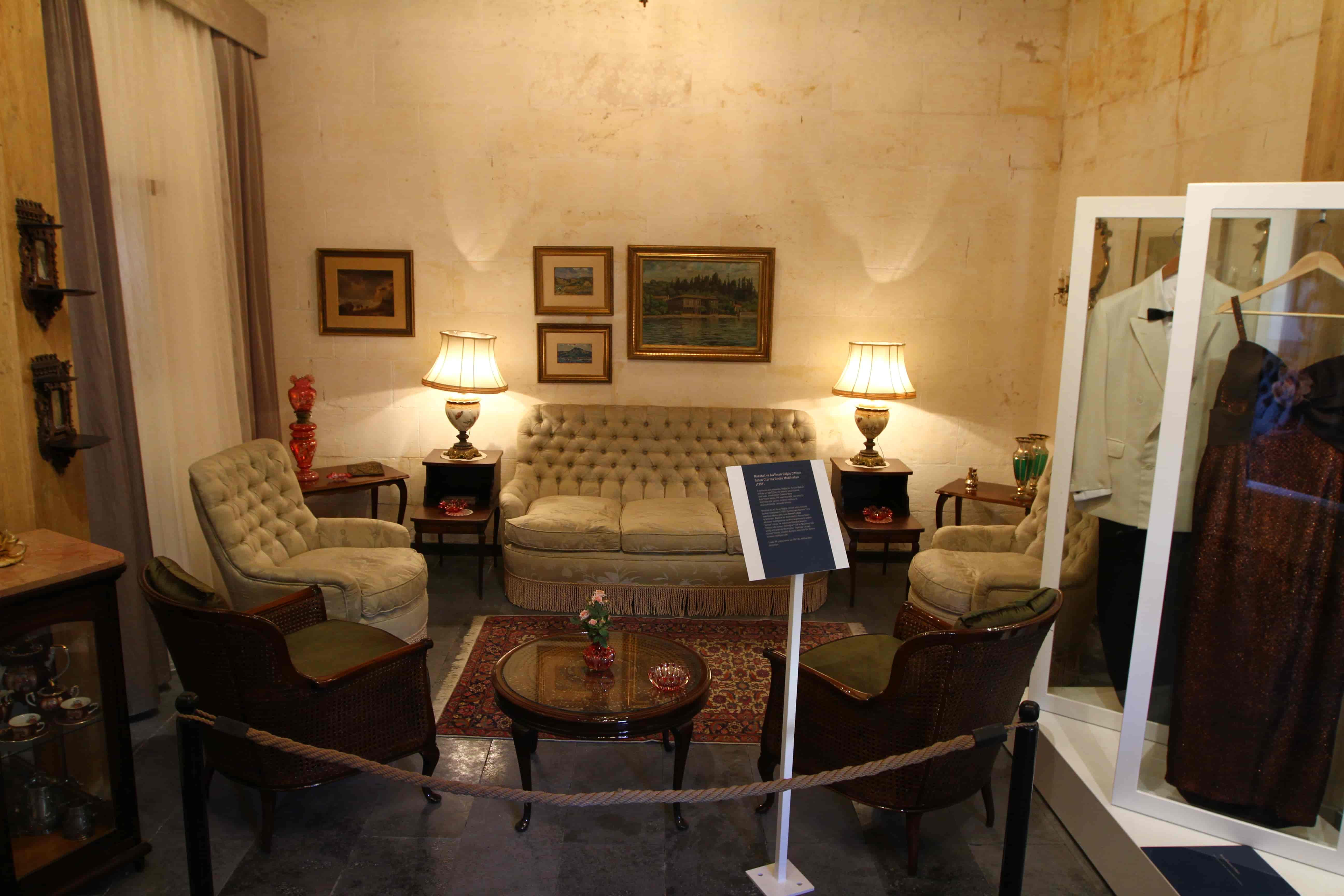
This museum showcases the library and personal belongings donated to the city of Gaziantep by Ali İhsan Göğüş, Turkey's first Minister of Tourism, who is from Gaziantep. The second floor serves as the Gaziantep Research Center. On the third floor of the museum, visitors can enjoy coffee with a view of Antep Houses.
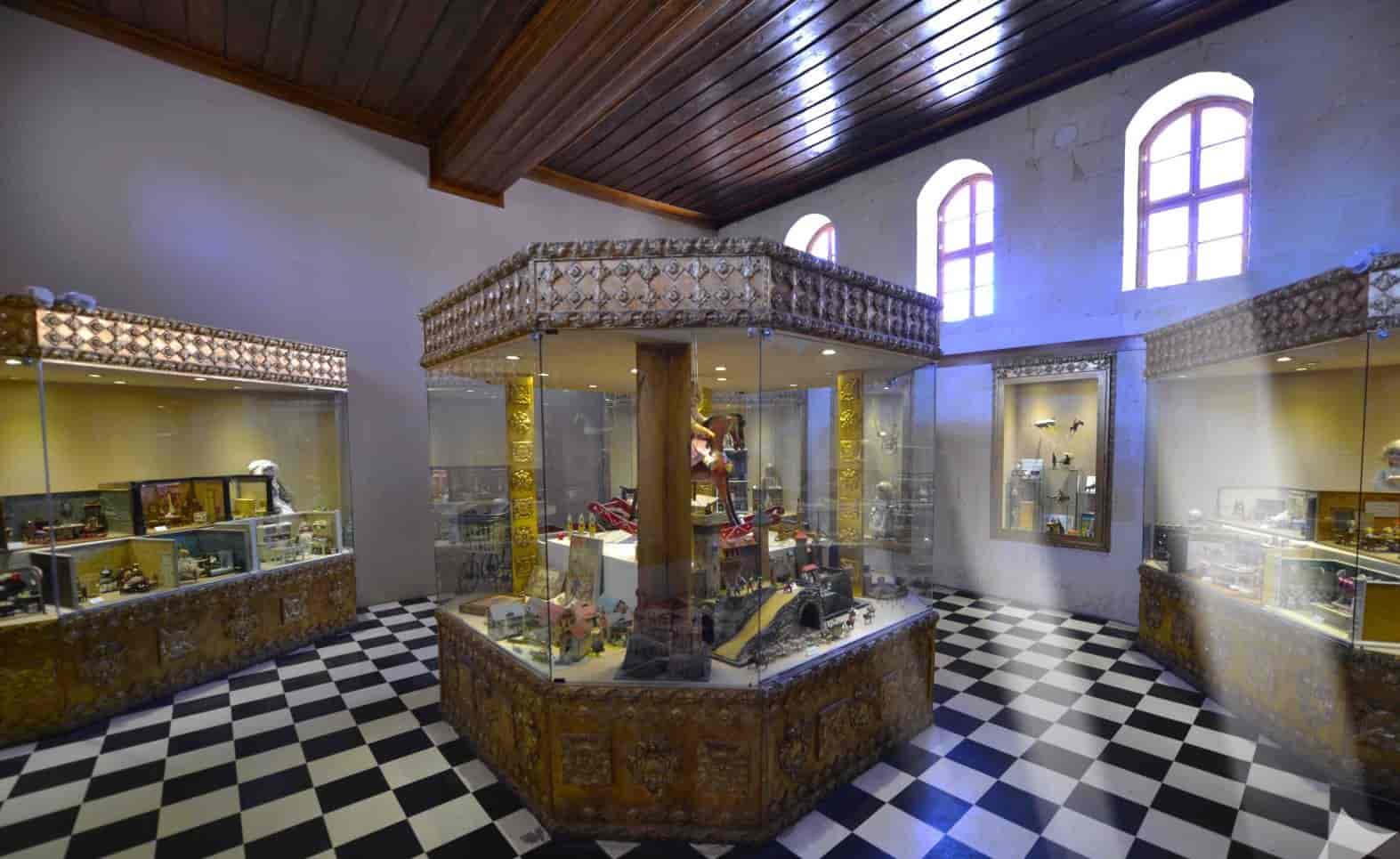
Opened in 2013, the Game and Toy Museum is a building where handmade toys produced between 1700 and 1990 are exhibited, including approximately 600 toys such as cartoon heroes and doll houses. The building has three floors and the two-storey cave underneath is also included in the museum. In the cave, there are small children's miniatures introducing various nations and representative architectural structures of countries.
3. Day
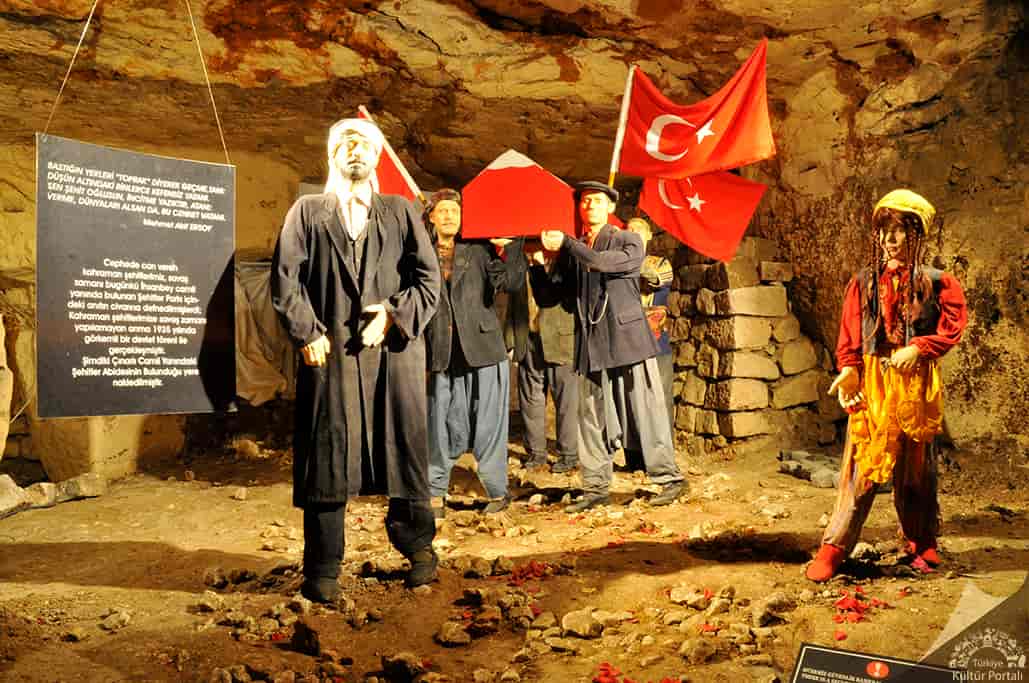
The museum, where the resistance of Gaziantep during the War of Independence is dislayed, consists of a historical building with 12 rooms. In the museum, where the documents on the defence of Gaziantep are explained chronologically, many items such as gun parts belonging to the British and French, pistols, shotguns, swords, wedges, pickaxes, shovels used by the locals are exhibited.
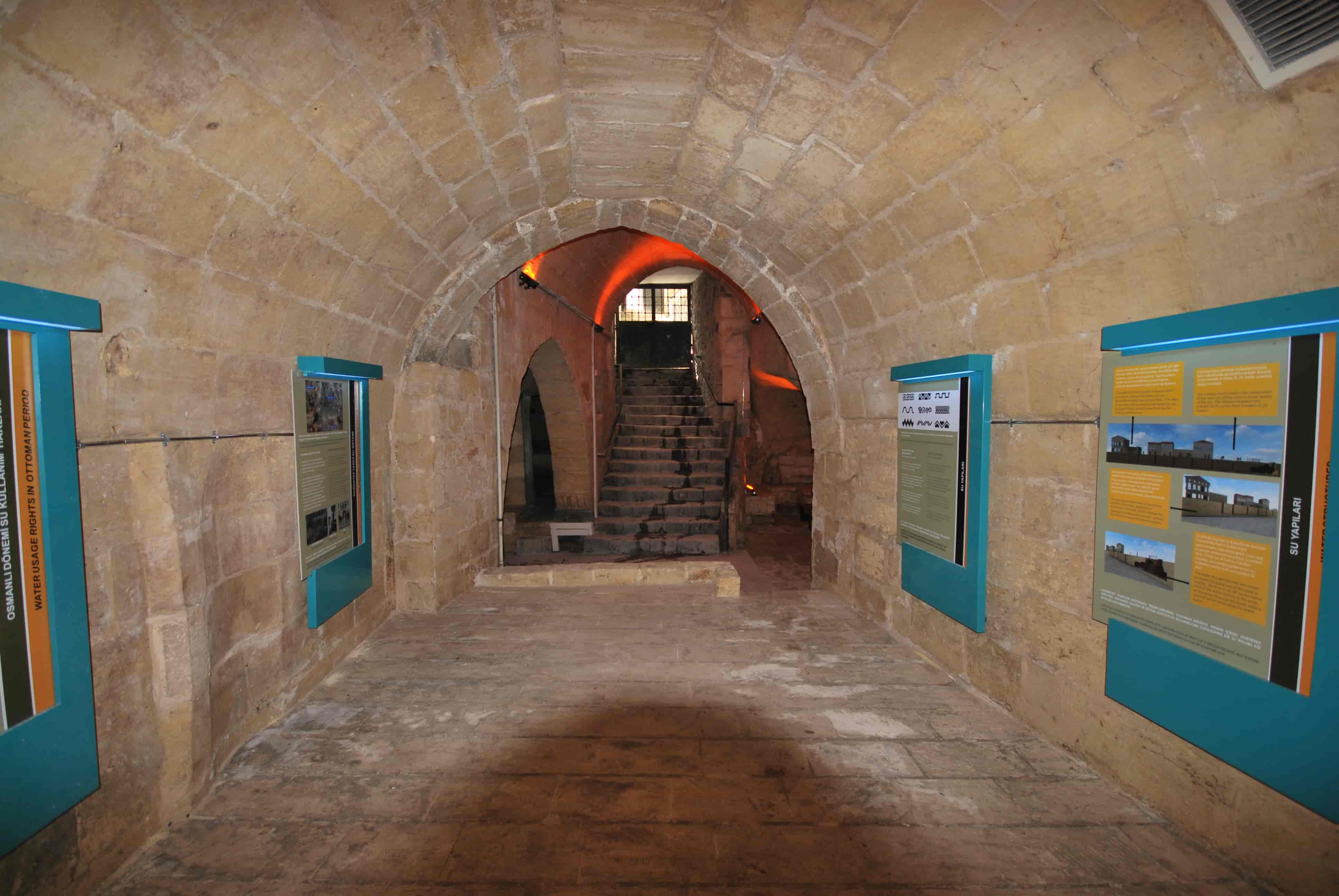
Located in the city center of Gaziantep, İhsan Bey Mosque and Castle holds an important place among the city's water structures. The castle dates back to the 16th century. Its architectural features include a descent to the underground through approximately 25 steps from the mosque courtyard, where pools collecting water and channels connecting to the liva line can be found. The structure has served not only to meet the water needs but also fulfilled social and religious functions such as worship, rest, and bathing.
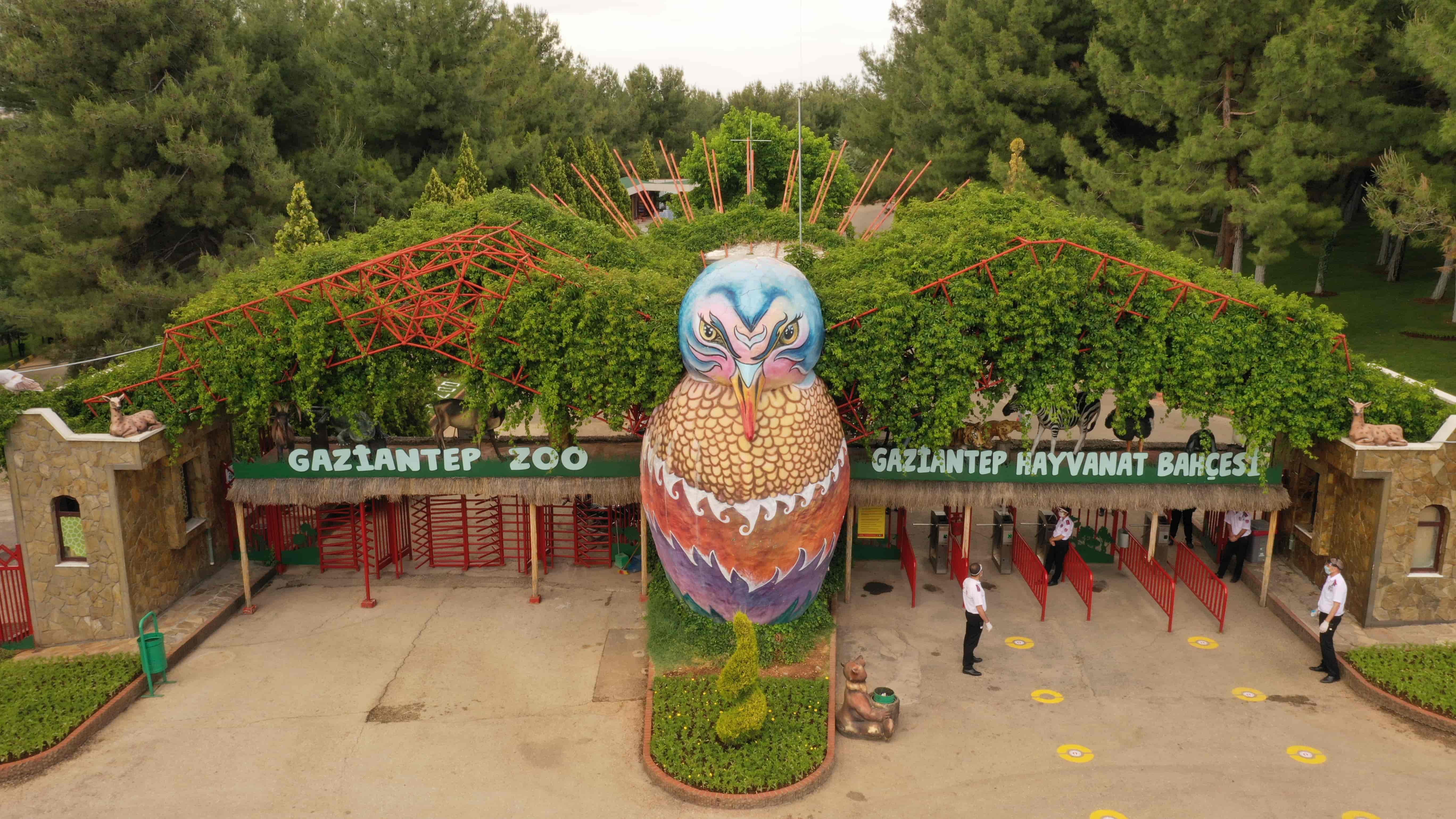
Gaziantep Zoo is one of the largest and most modern zoos in Türkiye. Spread over an area of 3 million square metres, this park is home to more than 250 animal species. Offering visitors the opportunity to observe animals in their natural habitats, the zoo attracts attention with its large areas and natural habitats. Gaziantep Zoo also aims to raise awareness about animal rights and environmental awareness through educational programmes and activities. It is a pleasant visit for both children and adults.
4. Day
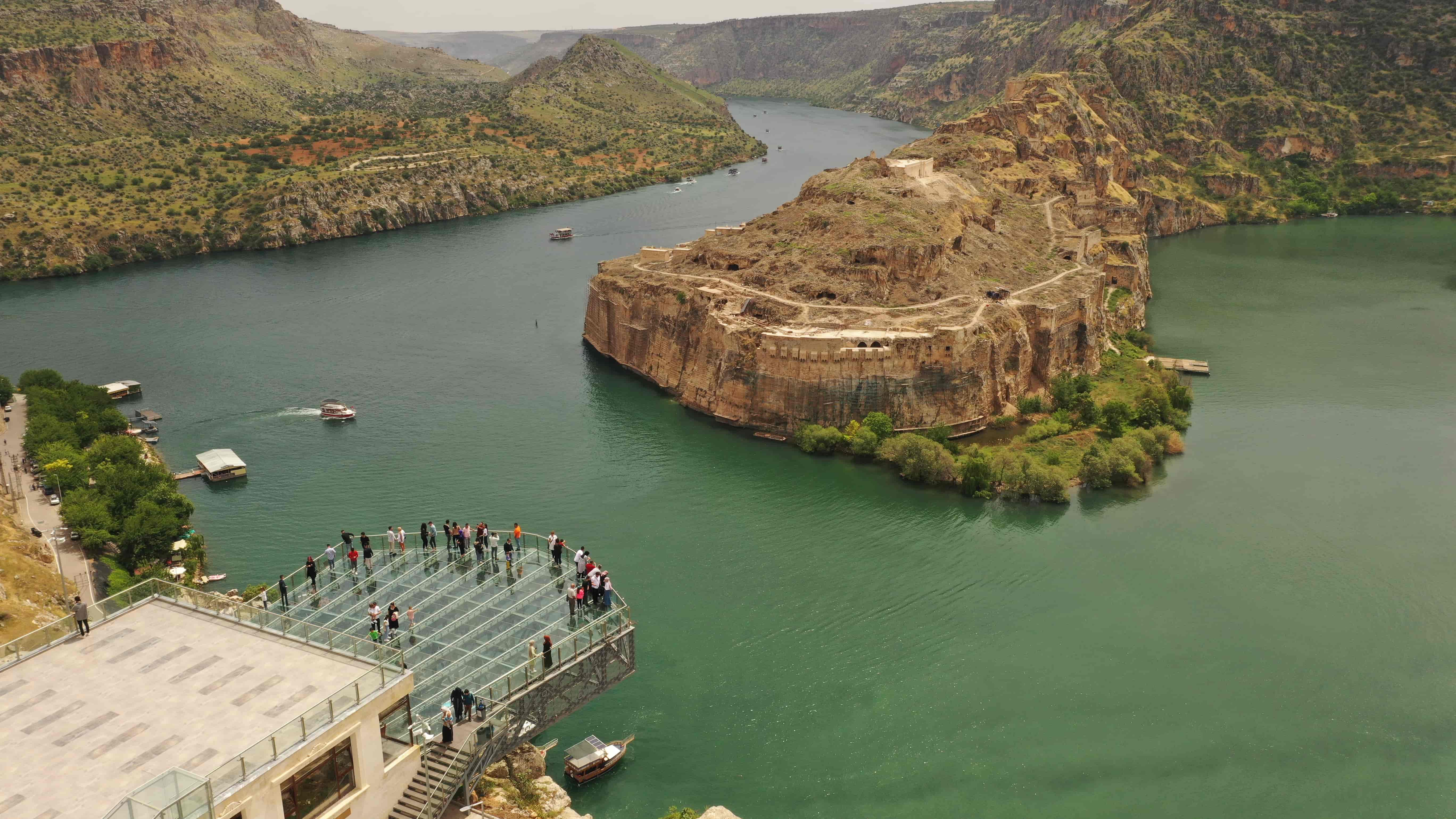
Located within the borders of Yavuzeli District of Gaziantep Province, Rumkale is on steep rocks at the confluence of Merzimen Stream with the Euphrates River.
5. Day
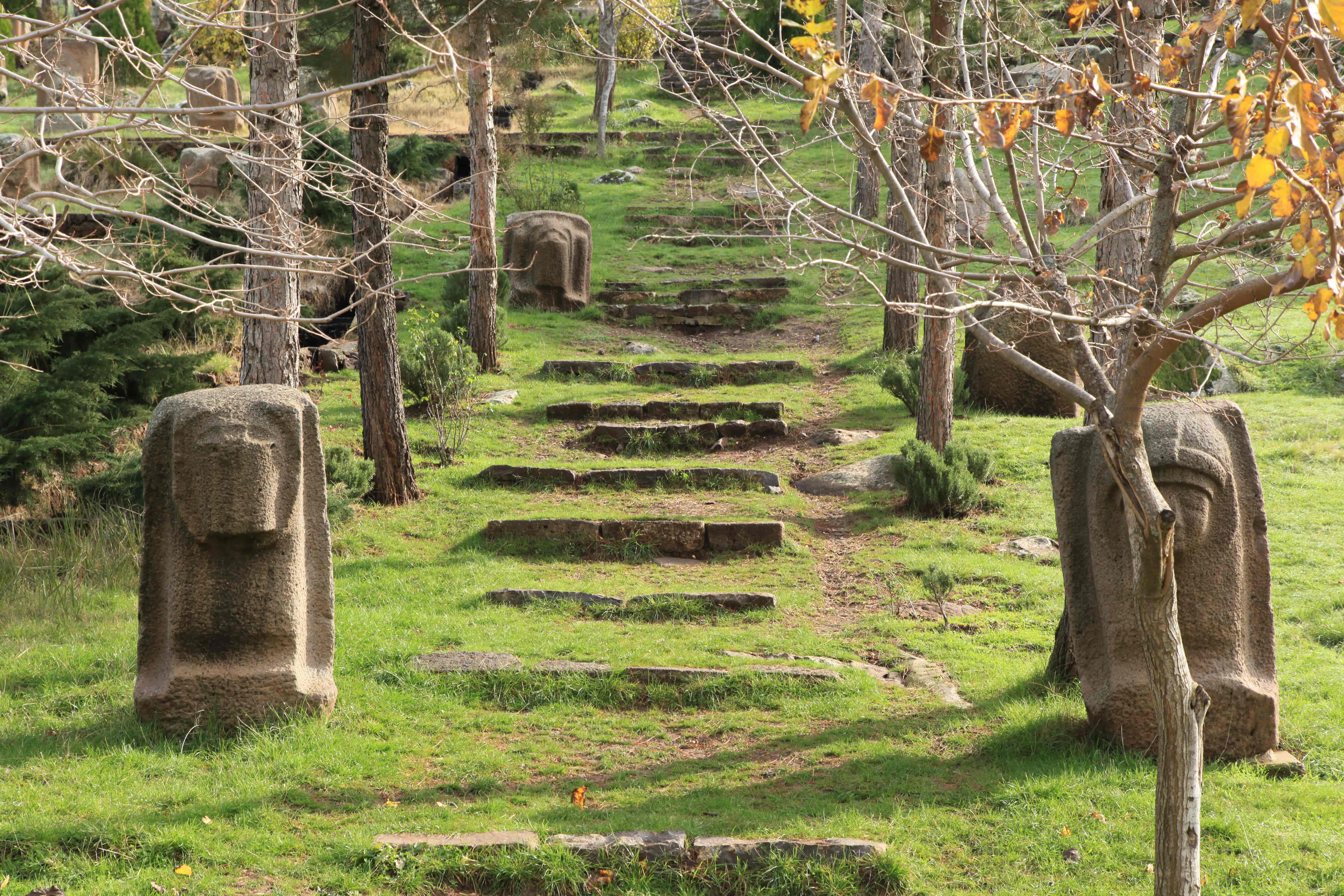
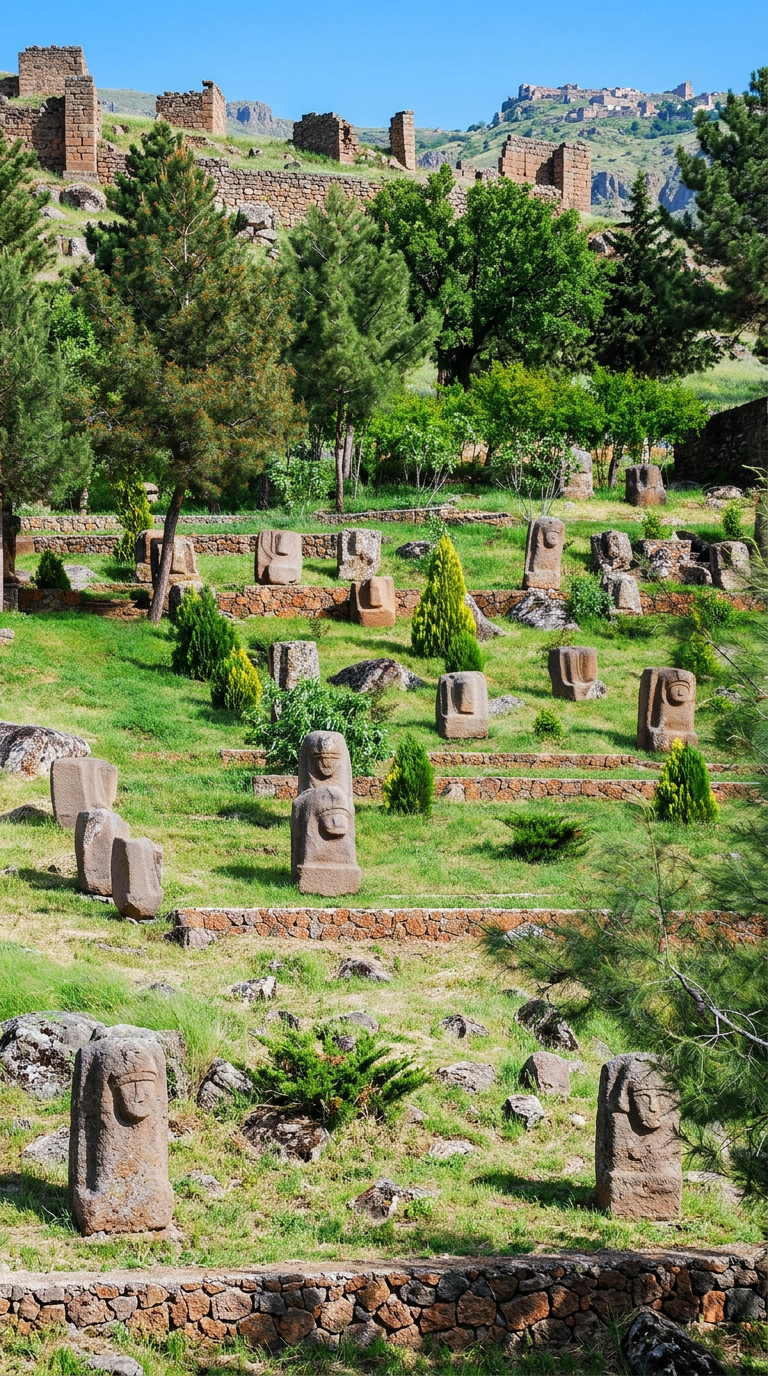
Yesemek Ancient City is an important stone quarry and sculpture workshop dating back to the Late Hittite Period, located near Gaziantep’s İslahiye district. This center, believed to have been active particularly in the 8th century BC, met the sculpture needs of monumental structures in the region. The site contains hundreds of unfinished lion statues, sphinxes, and various relief drafts. These works are of great importance as they show the production stages of the sculptures step by step. Yesemek is a unique archaeological site that carries the power of Hittite art and the mastery of stone craftsmanship to the present day, being one of the largest open-air sculpture workshops in the Near East.
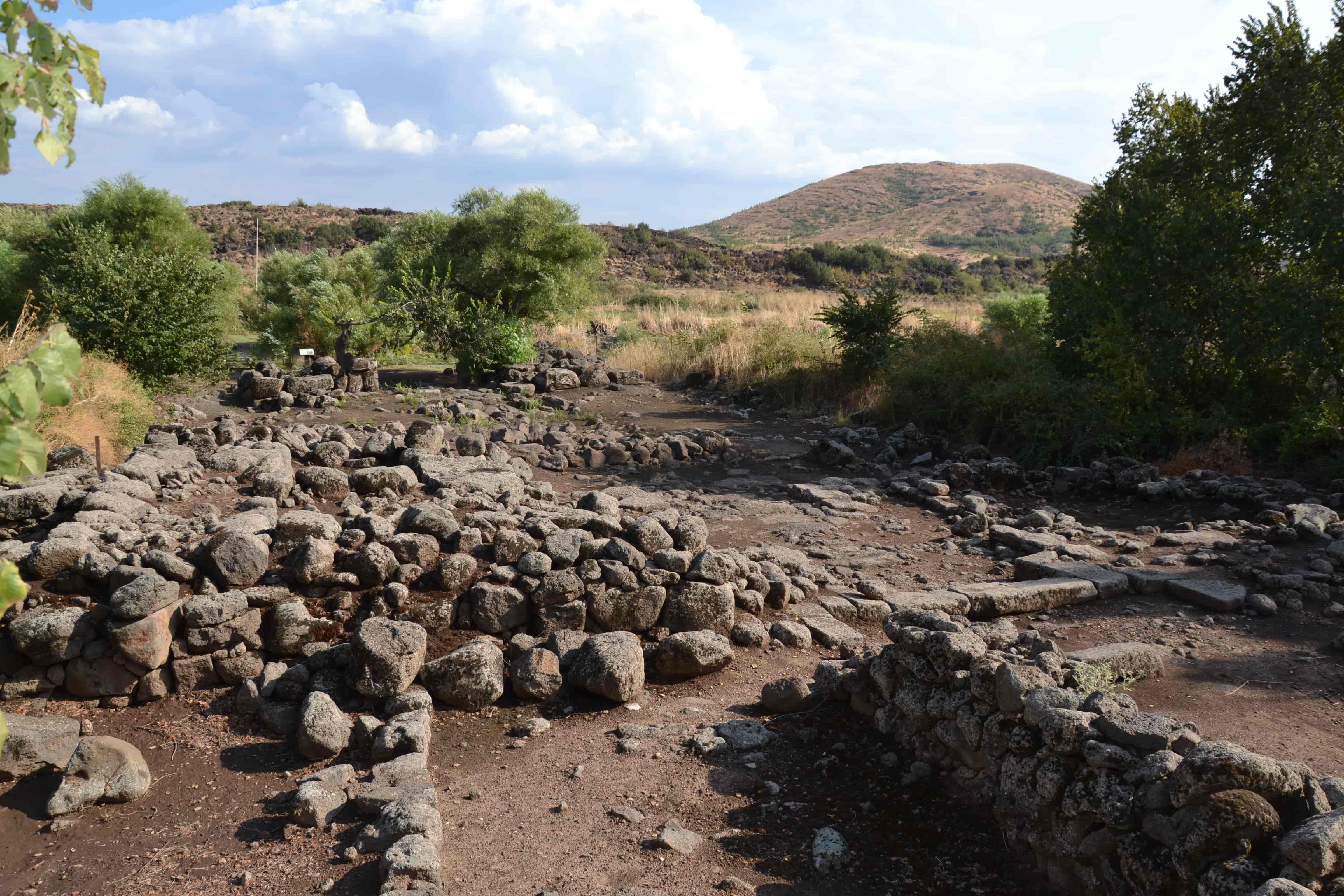
Tilmen Höyük is located in the İslahiye Plain, west of Gaziantep, and is considered one of the most magnificent cities of Anatolia during the Hittite period. The city was protected by a two-wall system consisting of inner and outer fortifications, notable for its large and well-cut stone walls. The monumental gate on the east is adorned with lion reliefs. Excavations have revealed palace structures, orthostat walls, and numerous pottery, seals, and decorative items; these findings indicate that the city had strong connections with ancient Anatolian cultures.